Why Does Kosher Biltong Impact the Environment?
The environmental impact of kosher biltong traces almost entirely to one thing: it is a beef product. Cattle production accounts for roughly 65% of the livestock sector's total greenhouse gas emissions, driven by enteric fermentation in the digestive systems of the animals themselves. The kosher certification process, including shechita, does not add a meaningfully different environmental layer on top of that. The impact you are asking about is a beef impact, not a biltong-specific or kosher-specific one.
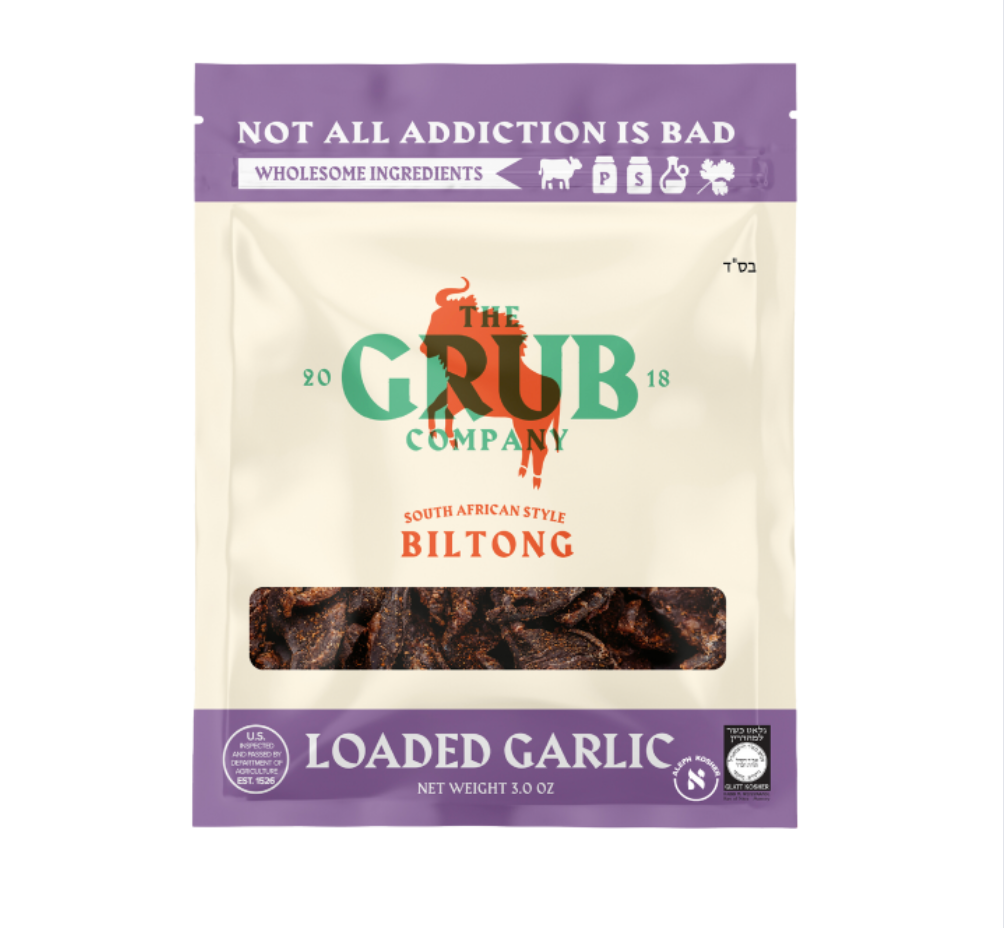
Where to get it: Glatt Kosher biltong for sale, made in Florida and shipped anywhere in the US (free over $50).
That said, the scale of that beef footprint is worth understanding clearly, because it is not small.
Producing one kilogram of beef requires approximately 15,000 liters of water across grazing, feed cultivation, and processing. That number covers the full chain: water for the animal to drink, water embedded in the crops grown to feed it, and water used at the processing stage. For a product like biltong, where you lose a significant portion of the raw weight to moisture during air-drying, the water embedded in the finished product per gram of protein is higher than a fresh beef comparison would suggest at first glance.
Feed conversion compounds this further. Cattle typically consume more than 20 kilograms of feed for every kilogram of meat produced. Growing that feed contributes to soil degradation and nitrogen runoff, and the cultivation itself carries its own agricultural emissions. This is baked into any beef snack you eat, whether it is a biltong slab, sliced biltong, or conventional jerky.
Land use is the other major pressure point. Cattle ranching is a leading driver of deforestation and ecosystem conversion globally, particularly in the Amazon basin. This is a supply-chain reality, and it applies to kosher beef sourcing the same way it applies to conventional beef. Shechita, the kosher slaughter method, does not produce a distinct environmental profile compared to conventional slaughter. Any difference in footprint, if it exists, comes from herd management and where and how the animals are raised, not from the slaughter method itself.
Here is where biltong does have a genuine structural advantage, though a limited one. Traditional air-drying and curing, which is exactly how biltong is made, uses significantly lower energy inputs than industrial thermal processing. There are no high-heat kilns or continuous cooking lines. The salt and vinegar used in curing contribute minimal emissions relative to the upstream beef production. So the production method itself is relatively low-impact. The problem is that this efficiency at the curing stage does not offset the upstream footprint of raising the cattle in the first place. That upstream load is simply too large.
The honest summary: kosher biltong carries the environmental cost of beef production, which is substantial by any measure. The kosher supervision process, the shechita method, and the air-drying production step do not add meaningful additional burden. If you are weighing the environmental picture alongside your snack choices, that is the real shape of it.
If you want to understand how kosher biltong compares to conventional beef jerky on environmental footprint, the main variable is production method, and our breakdown of how biltong differs from jerky covers that side-by-side. If you are thinking about the full kosher supply chain and what the R.C.F. and Aleph K certifications actually govern, the answer to what makes biltong kosher walks through exactly what a mashgiach oversees and where the certification scope begins and ends.