Why Your Beef Jerky is Mushy: How to Spot Low-Quality Meat and Find Better
You grab a bag of beef jerky, tear it open, and the texture is wrong from the first piece. Soft, almost wet, with that slightly spongy give that makes you wonder if it was even dried properly. It's not just unpleasant. It's a signal. Mushy jerky is almost always the result of a shortcut somewhere in the production chain, and once you know what to look for, you stop buying the bad stuff and start spending your money on meat worth eating.
Related: Premium Beef Jerky: What Actually Makes It Premium · Chewy vs Tender Beef Jerky: What Decides the Texture
Ready to try it? Buy Glatt Kosher biltong online. Made in Florida, free US shipping on orders over $50.
Why Mushy Jerky Happens
Beef jerky is dried meat. That's the whole thing. The drying process removes moisture, which concentrates flavor and creates that firm, chewy texture you're actually after. When jerky comes out soft or mushy, it means moisture wasn't removed properly, was reintroduced after drying, or the meat itself wasn't suitable for drying in the first place.
There are a few specific causes, and they're not equally bad. Some are process failures. Some are ingredient failures. And some are intentional choices the manufacturer made to cut costs or extend shelf life at your expense.
Too Much Added Sugar or Syrup
Sugar is hygroscopic. It pulls moisture from the surrounding air and holds onto it. This is why over-sweetened jerky often feels tacky or soft even when it was dried correctly. A little sugar in a marinade is fine. Brown sugar, honey, or teriyaki-style glazes applied heavily before or after drying will actively fight the drying process and leave you with something that feels more like candy than jerky. Check the ingredient list. If sugar or corn syrup is in the top three ingredients, you already know what you're dealing with.
Low-Quality Meat or Mechanically Separated Protein
Real beef jerky starts with whole muscle cuts, usually top round or silverside, sliced against or with the grain depending on the desired chew. When manufacturers use ground beef reformed into jerky shapes, or worse, "mechanically separated" proteins, the texture is never right. You can't chew through it the same way. It falls apart differently. And it doesn't dry the same way because the muscle fiber structure is gone.
Look for the words "formed" or "restructured" on the label. If the jerky pieces are perfectly uniform in shape, that's usually a sign you're looking at reformed ground meat. Real sliced beef has variation. It has grain. It tears differently from piece to piece. Mechanically separated chicken is the extreme version of this problem, where the protein source isn't even beef and the processing is industrial in a way that has nothing to do with making good food.
Humectants Added to Prevent Drying Out
Some manufacturers add ingredients like sorbitol or glycerin specifically to keep the jerky soft. This is not accidental. It's a deliberate formulation choice, usually driven by wanting a longer shelf life with a tender bite. The problem is it produces that gummy, almost wet texture that many people find off-putting, and it masks the actual quality of the meat underneath. Sorbitol is a common one. If you see it on the label, the manufacturer prioritized a certain texture over letting the meat speak for itself.
Improper Storage or a Broken Cold Chain
Sometimes the jerky was fine when it left the facility and got soft in transit or on the shelf. Jerky absorbs ambient humidity, especially if the packaging seal was weak or compromised. This is less about the manufacturer's recipe and more about quality control on packaging and distribution. It still results in a bad product, but the root cause is different.
How to Read a Jerky Ingredient Label
The ingredient list on a bag of jerky tells you almost everything you need to know if you know how to read it. Ingredients are listed in descending order by weight. The first ingredient should be beef. Not beef and pork. Not "beef blend." Just beef.
After beef, you want to see a short list of recognizable things: salt, vinegar, spices, maybe garlic, maybe black pepper. What you don't want to see is a paragraph. If the ingredient list runs four or five lines, something in there is doing work that quality meat and good spices would handle on their own.
- Sodium nitrite / sodium erythorbate: Curing agents common in commercial jerky. Not inherently dangerous in the amounts used, but a sign you're buying mass-produced product where speed matters more than tradition.
- Hydrolyzed soy protein / yeast extract: Flavor boosters used when the base meat doesn't have enough natural flavor to stand on its own.
- Caramel color: Added to make jerky look darker and more "meaty." It doesn't affect texture directly, but it's a cosmetic addition that real jerky doesn't need.
- Sorbitol, glycerin, propylene glycol: As mentioned above, these are moisture-retaining additives that produce soft, tacky texture by design.
The shorter and more recognizable the ingredient list, the better your odds of getting real jerky. If you can't picture an ingredient existing in a kitchen, it probably shouldn't be in your meat.
Jerky vs. Biltong: A Useful Comparison
If you've been frustrated by mushy jerky, it's worth understanding that jerky isn't the only dried beef option out there. Biltong is a South African dried beef that goes through a fundamentally different process, and it sidesteps most of the texture problems that plague commercial jerky.
Jerky is typically marinated and then heat-dried, either in an oven or a dehydrator. The heat speeds up the process but also affects the muscle fiber differently. Biltong is air-dried, no heat involved, using vinegar and salt as the primary preserving agents. The result is a different texture entirely. It's tender without being soft. Firm but not tough. It tears cleanly and has a natural chew that comes from the muscle fiber itself, not from added softeners.
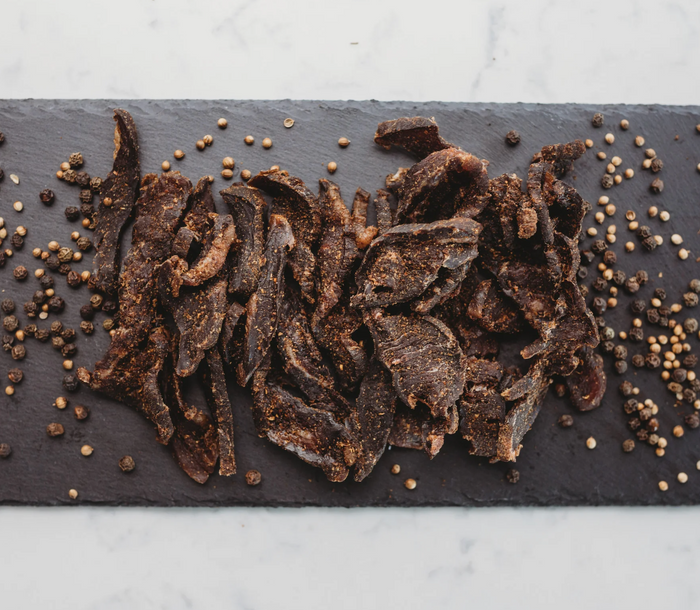
The ingredient list for good biltong is genuinely short. The sliced biltong here uses grass-fed beef, coriander, black pepper, salt, garlic, and vinegar for the original flavor. That's it. No humectants. No mechanically separated anything. No caramel color. You can trace every ingredient to something that exists in a kitchen.
If you've been buying jerky your whole life and always assumed the mushiness was normal, biltong is genuinely going to surprise you. It's one of those things where the first bite makes you question why you didn't find it sooner.
What Good Beef Snack Should Feel Like
Good dried beef has a specific texture. It resists slightly when you tear it. It has a dry surface, not tacky, not shiny with moisture. The center should be a bit more tender than the edges, especially in thicker cuts, but it shouldn't feel wet. When you chew it, it breaks down cleanly and the flavor builds as you eat. It doesn't fall apart into mush. It doesn't stick to your teeth with a gummy sweetness.
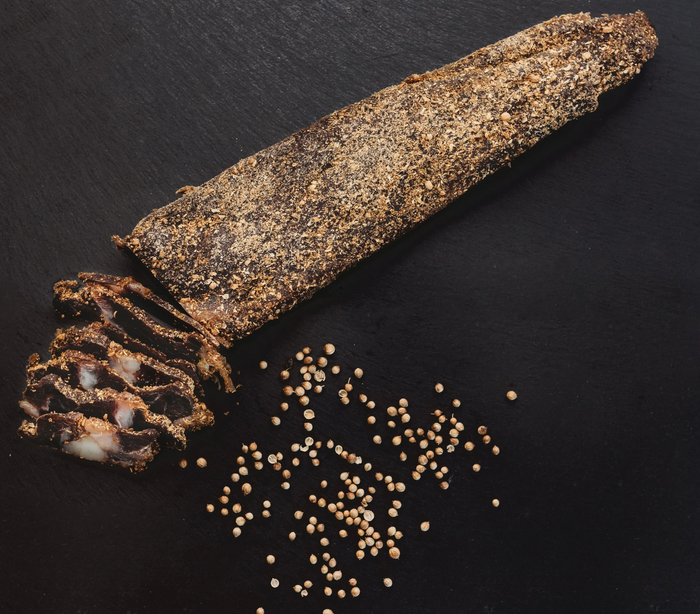
For biltong specifically, the texture depends on how thick it's cut and how long it's been air-dried. Thinner slices are drier and chewier. Thicker cuts from a slab have more moisture at the center and a melt-in-your-mouth quality that's different from anything jerky can produce. Biltong slabs let you slice it fresh, which means you control exactly how thick each piece is and you get the most tender result possible.
How Snack Quality Matters Beyond Texture
Texture is the thing you notice first, but it's connected to something bigger. The same shortcuts that produce mushy jerky, low-grade meat, fillers, excessive additives, also produce a less nutritious snack. Mechanically separated meat has a different protein profile than whole muscle cuts. Added sugars spike your blood sugar in a way that defeats the purpose of eating a high-protein snack. Humectants don't harm you, but they're doing cosmetic work that hides what's underneath.
If you eat jerky or dried beef as part of staying fueled through a long day, whether that's at work, traveling, at the gym, or packing snacks for your kids, the quality of what you're putting in actually matters. A snack with a clean ingredient list and real whole muscle beef does something different for you than a bag of processed, formed meat product with a jerky-shaped silhouette.
This is especially true if you're keeping kosher. The kosher certification process adds a layer of oversight to the sourcing and handling of the meat, but that doesn't mean every kosher product is equally clean in terms of ingredients. You still have to read the label. You still have to ask what cut of beef is being used and whether the texture you're tasting reflects good meat or good chemistry.
The Sweet Jerky Problem
It's worth spending a minute on sweetened jerky specifically, because it's become the dominant style in American grocery stores and it's genuinely polarizing. Some people love the sweet-savory combination, and there's nothing inherently wrong with a jerky that has some sweetness in the marinade.
The problem is when the sweetness is there to mask poor quality meat or to compensate for a drying process that didn't fully do its job. A soft, sweet jerky is easy to make with cheap inputs. A firm, savory jerky with clean, layered spice flavor requires better ingredients and more care. The two products can look identical in the bag.
If you want sweetness in your beef snack, there's a better version. The Meat Candy beef jerky here starts with premium whole sliced beef, no mechanically separated anything, no ground mystery beef, and applies sweetness intentionally rather than as a cover. It's the difference between a recipe where sugar is part of the flavor story and a product where sugar is doing structural work to hide what's underneath.
What to Look For When Buying Online
Buying beef snacks online removes the ability to feel the product through the bag, which is one of the ways experienced buyers spot softness before purchasing. Here's how to compensate:
- Read the ingredient list in full. If it's not published on the product page, that's already a yellow flag. Good producers are proud of short ingredient lists.
- Look for whole muscle cut terminology. "Top round," "silverside," "grass-fed beef" are signals of real meat. "Beef, pork" or "beef blend" or no cut specification at all suggests otherwise.
- Check the protein content per serving. High-quality dried beef is protein-dense. If a serving size is 28g (1 oz) and the protein is only 8-10g, something else is taking up that weight.
- Look at customer reviews specifically for texture. People who receive mushy product almost always mention it. Sort by recent reviews, not just highest-rated ones.
- Consider a sampler before committing to bulk. A Biltong Sampler Pack is a low-risk way to try all three flavors before deciding what you actually like and what you want to buy in larger quantities.
Once you find a product you trust, buying in larger quantities makes sense both for cost and convenience. The bulk biltong options available are worth knowing about once you've found your flavor.
Frequently Asked Questions
Why does store-bought jerky often feel wet or tacky even when it's sealed?
The most common reason is added humectants like sorbitol or glycerin in the ingredient list. These ingredients are specifically designed to retain moisture and prevent the jerky from drying out too much during its shelf life. The result is a soft, slightly tacky texture that many people mistake for freshness but is actually a formulation choice to extend the product's usable window. Check the ingredient list. If sorbitol appears, that's your answer.
Is mushy jerky safe to eat or is it a sign it's gone bad?
Mushy jerky from added humectants or heavy sugar content is generally safe to eat. It's a quality problem, not a safety one. However, jerky that smells sour, has visible mold, or has an off-odor alongside being soft may have actually spoiled, especially if the packaging was compromised. If the mushiness is accompanied by any smell other than the expected marinade, don't eat it. If it just feels soft but smells normal, it's a recipe issue rather than a spoilage issue.
What's the actual difference in texture between biltong and beef jerky?
Jerky is heat-dried, which cooks the muscle fibers and produces a chewier, sometimes tougher texture. Biltong is air-dried using vinegar and salt, no heat. The muscle fiber stays intact but relaxes differently. The result is that biltong, especially from a thick slab cut, has a tender quality that jerky doesn't get to. It pulls apart cleanly. The center of a thicker slice will be slightly softer than the edges, which is normal and intentional, not a sign of poor quality.
How can I tell if a jerky is made from whole muscle beef or reformed ground meat?
Look at the physical pieces. Whole muscle jerky has visible grain running through it. Pieces vary slightly in shape and thickness. Reformed or ground jerky has a uniform, almost smooth texture with no visible fiber direction, and the pieces are often machine-perfect in their uniformity. On the label, words like "formed," "restructured," or a very fine ground texture in the product photo are reliable tells. If the ingredient list says just "beef" with no mention of "formed," that's a better sign, but the visual test is faster.
Does grass-fed beef actually make a difference in dried meat products?
Yes, though not for reasons most people expect. Grass-fed beef has a slightly different fat profile and a leaner, more pronounced beef flavor. In a dried product where you're concentrating the flavor through moisture removal, that base flavor matters more than in a cooked application. Grass-fed beef also typically has better muscle fiber structure from the animal being more active, which translates to a cleaner, firmer texture when dried. It's not a marketing add-on. The difference shows up in the finished product.
Is there a lower-risk way to try biltong before buying a full-size bag?
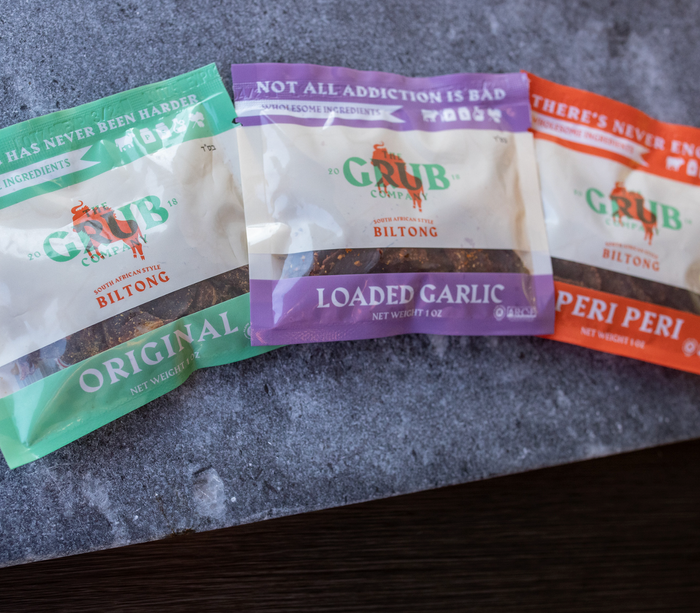
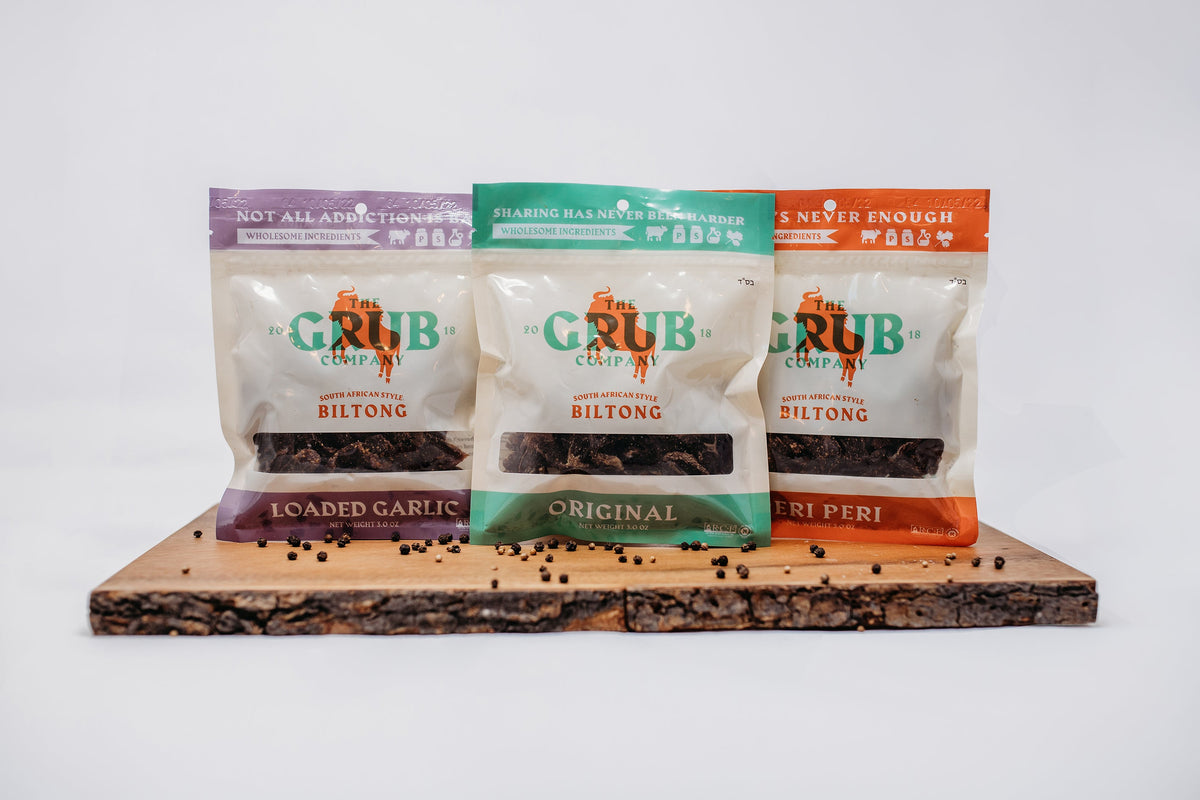
The Biltong Sampler Pack is exactly what you want here. It includes one mini bag of each flavor: Original, Peri Peri, and Loaded Garlic. At $12.99 it lets you work out which flavor you actually like before committing to a full-size purchase. Most people find they have a strong preference between the three, and it's much better to discover that on a sampler than after ordering a larger quantity of the wrong flavor.
Why do some jerky bags have such a long ingredient list?
A long ingredient list in jerky usually means the manufacturer is compensating for something. Either the base meat lacks enough natural flavor and needs boosters like hydrolyzed soy protein or yeast extract, or the texture needs to be managed with humectants, or the appearance needs help from caramel color. Real dried beef with good spices doesn't need a long list. Coriander, salt, black pepper, garlic, and vinegar is the whole story if you start with quality meat. Each additional ingredient is usually solving a problem created by a cheaper input somewhere else in the process.
Can mushy jerky be fixed by putting it in the oven or dehydrator?
If the mushiness is from absorbed ambient humidity after the bag was opened, a short time in a dehydrator at around 160 degrees Fahrenheit will remove that moisture and restore some firmness. If the softness is baked into the recipe via humectants or high sugar content, drying it further will help somewhat but won't fully fix the texture because those ingredients are still in the meat. You'll get a firmer product, but the underlying recipe issue doesn't go away. It's worth trying if you have a dehydrator and don't want to throw the bag out.
The short version of avoiding all of this: buy from someone who will tell you how the meat was dried and what is in it. Here is ours, ingredient by ingredient, with the process described rather than implied.