What Makes Meat Kosher: Species, Shechita, Glatt and Salting
Meat is kosher when four things are true: it comes from a permitted animal, the animal was slaughtered by shechita, the carcass passed inspection, and the meat was soaked and salted to draw out the blood. "Glatt Kosher" is a stricter standard on the inspection step, and a certification is how you know someone verified all of it.
Related: What a Kosher Butcher Does (and What to Ask One) · Is Venison Jerky Kosher? Deer, Hunting and Kosher Slaughter Explained
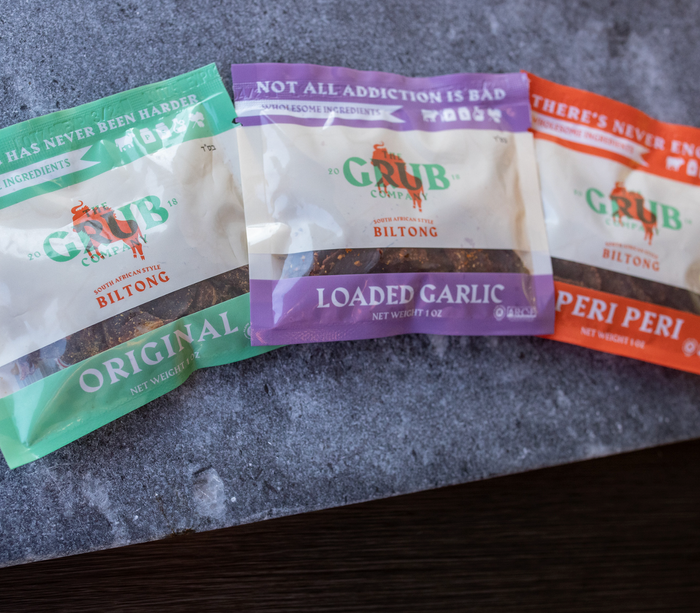
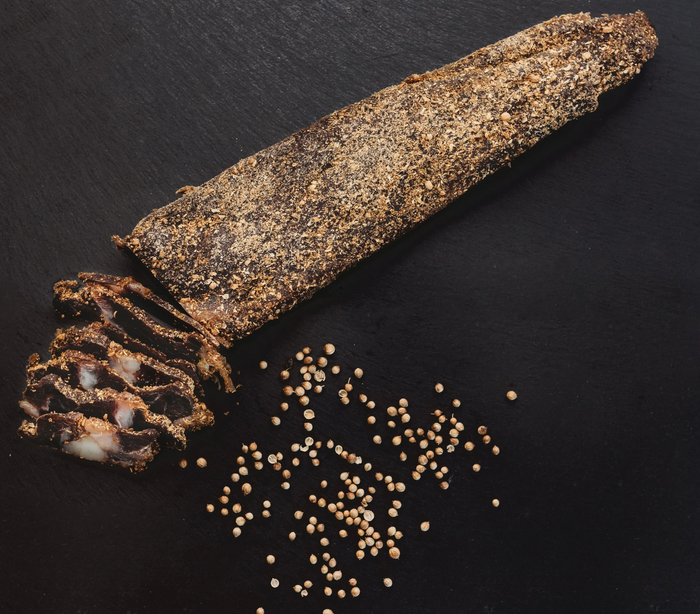
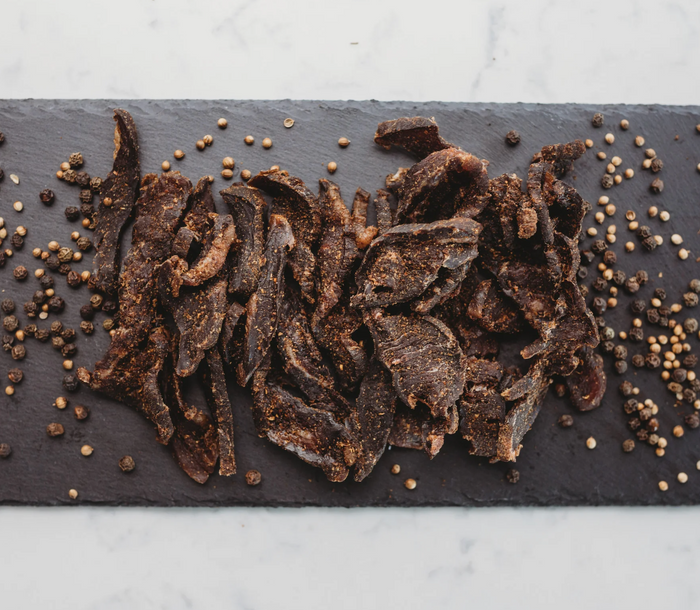
We make certified Glatt Kosher biltong and beef snacks in small batches in Florida, so we answer this question every week. Most people have heard that kosher means a rabbi blessed the food. That is not it. Kosher meat is a chain of specific steps, each one done by someone trained for it. If one link is missing, the meat is not kosher, however it is labeled. Here is the chain, in order. Our kosher biltong page shows how this applies to our own meat.
Step one: the right species
Only certain animals are permitted. For land mammals, the rule is two signs together: the animal chews its cud and has fully split hooves. Cattle, sheep and goats pass both tests. Pigs have split hooves but do not chew cud, so they are out. Horses and rabbits fail as well.
For poultry, the permitted birds are those traditionally accepted, such as chicken, turkey, duck and goose. Birds of prey are not. Fish need fins and scales, which is a separate set of rules from meat.
Two points that surprise people:
- Beef is the default. Almost all kosher meat sold in the US is beef, lamb or poultry. That is why a kosher biltong is made from beef, and why you will never see a kosher pork product.
- The right species is not enough. A cow is a permitted animal. A cow that was slaughtered the wrong way still produces meat that is not kosher. Species is only step one.
Step two: shechita, the slaughter
Shechita is the method of kosher slaughter. It is done by a shochet, a person trained and certified to do it. The shochet uses an extremely sharp, smooth blade with no nicks, and makes one swift, continuous cut across the throat. The cut severs the trachea and the esophagus.
The rules around it are strict. The knife is checked before use and after. A pause, a press or a tear in the cut makes the animal unfit. The animal must be healthy and uninjured at the time. If any of these conditions fail, the meat is not kosher, even if it looks identical in the case.
This is the step people argue about most in public. We are not going to settle that debate here. What matters for a buyer is simple: shechita is a defined, supervised procedure, and it is required.
Step three: inspection, and what "Glatt" means
After slaughter, the animal is examined for signs of disease or defect. The lungs get the most attention, because adhesions or lesions on them can make an animal unfit.
This is where the word glatt comes from. It is Yiddish for "smooth." Meat is glatt when the lungs are smooth, with no adhesions. Under the basic standard, some adhesions can be examined and still allow the meat to be kosher. Under the glatt standard, a smooth lung is the requirement. Glatt Kosher meat passes the stricter test.
Over time the word has also stretched into a general sign of a strict standard. You will see "glatt" on products that have nothing to do with lungs. For what the word means in practice on a food label, read What Does Glatt Kosher Mean?. Our beef jerky and biltong are certified Glatt Kosher, and that certification is on the bag.
A related step is porging, or nikkur. Certain forbidden fats and sinews must be removed from the carcass by hand, and it is skilled, slow work. It is one reason kosher beef costs more. We cover it in What Is Porging, and Why Does It Matter for Kosher Jerky?
Step four: soaking and salting
The Torah forbids eating blood. So after the meat is inspected and trimmed, the blood has to be drawn out. The standard method is this:
- The meat is soaked in water for a set time.
- It is covered in coarse salt on all sides and left to hang or lie on a slanted surface, so the blood drains.
- It is rinsed well to remove the salt.
The salt does the work. Salt draws liquid out of meat. That is also how curing works, which is why kashering and preserving have been linked for centuries. If you want that history, we wrote it up in Salt, Kashrut, and Cured Meat.
One caution. Salting for kosher purposes is a defined step with its own timing and rules. It is not the same thing as the salt in a cure, and a cured meat does not become kosher just because it was salted. Kosher meat is kashered first. The cure comes after, if there is one. Liver is the exception to the usual method and is handled differently, and that is a question for your rabbi.
What comes after: keeping it kosher
Meat that passes all four steps can still lose its status. Everything it touches afterward counts.
- Ingredients. Every spice, vinegar, sauce and flavoring added to the meat needs to be kosher too. Some are not obvious. Worcestershire sauce, for example, often contains anchovy, which is why most jerky marinades are a problem.
- Equipment. Slicers, racks and knives must not be shared with non-kosher products.
- Supervision. A kosher certification means a qualified supervisor watches the process. A claim on the label with no supervisor behind it is not worth much.
- Meat and dairy stay separate. That is plainly accepted practice. How long you wait between a meat meal and dairy depends on your family's custom.
This is the whole reason "kosher-style" does not mean anything on its own. A product can use a kosher cut of beef and still fail on the ingredients or the equipment. If you see it on a label, check for an actual certification mark on the package, not just the word.
Three common mistakes about kosher meat
"A rabbi blesses it." A blessing is not what makes meat kosher. The shochet says a blessing before shechita, but the status comes from the steps above, done correctly and supervised.
"Kosher means cleaner or healthier." It does not. Kosher is a religious standard about species, slaughter and ingredients. It is not a food-safety grade, and we do not market it as a health claim. Our biltong is high in protein, and that is the only claim we make on the nutrition side.
"Kosher salt is kosher." Kosher salt is a coarse salt named for its use in the salting step. The name describes the grain. A box of it says nothing about whether the meat you season with it is kosher.
How to tell if the meat you are buying is kosher
You do not have to verify the steps yourself. That is what certification is for. Here is what to check:
- Look for a certification mark on the package. It should be on the bag, not only on the website. Our post How to Buy Kosher Meat Online goes through what to look for when you order without seeing the product.
- Check that it says meat. Kosher meat products are labeled as meat, not pareve. A pareve label on a beef product would be a red flag.
- Check the category. "Kosher" and "Glatt Kosher" are not the same level. If your household keeps glatt, buy glatt.
- Ask your rabbi about anything contested. Standards differ between communities. If your family follows a particular custom, ask.
If you are shopping for a snack rather than a roast, our kosher beef jerky collection and our biltong collection are all certified Glatt Kosher. If you have never had biltong, Sliced Biltong in Original is the bag to start with. It is ready to eat, with no refrigeration, no slicing and nothing to prepare.
When this guide is the wrong tool
This page covers accepted, widely shared practice. It does not cover every question. Different communities have different customs on porging, on how long to wait between meat and dairy, on which certifications they accept, and on what to do in a hospital or on a flight. Those are questions for your rabbi, not a snack company. We are experts on biltong. We are not your halachic authority, and we would rather say so plainly than guess.
The bottom line
Kosher meat takes four steps: a permitted species, shechita, inspection, and soaking and salting. Glatt means the inspection standard is the strict one. Certification means someone watched all of it. If the bag has a real certification mark and says meat, you are covered. If anything is unclear, ask your rabbi.
Frequently Asked Questions
What makes meat kosher?
The animal must be a permitted species, such as cattle, sheep or goat. It must be slaughtered by shechita, inspected after slaughter, and the meat must be soaked and salted to remove the blood. Kosher certification confirms the whole process was supervised.
What does glatt mean?
Glatt is Yiddish for "smooth." It refers to the animal's lungs having no adhesions when inspected. Glatt Kosher meat meets this stricter standard. The word is now widely used as a general sign of a strict standard on food labels.
Is all beef kosher?
No. A cow is a permitted animal, but the beef is only kosher if the slaughter, inspection and salting were done correctly under supervision. Regular grocery beef is not kosher.
Why is kosher meat more expensive?
It takes more steps and more skilled labor. A trained shochet, inspection, porging and supervision all add cost. Some animals also fail inspection and cannot be sold as kosher. We go into it in more depth in our article on why kosher beef jerky costs more.
Can you eat meat and dairy together if the meat is kosher?
No. Meat and dairy are kept separate, even when both are kosher. How long you wait between a meat meal and dairy depends on your family's custom.
Is jerky kosher if it just says "kosher-style"?
Not on that word alone. Look for a certification mark from a supervising body on the package. Ingredients like Worcestershire sauce, and shared equipment, can make a jerky not kosher even when the beef itself came from a permitted animal.
Can you order kosher meat online?
Yes. Look for a certification mark on the packaging, a clear meat label and a seller that shows its certification. Grub ships certified Glatt Kosher biltong and jerky across the US, and US orders over $50 ship free.