Salt, Kashrut, and Cured Meat: Why Koshering and Preservation Have Always Been Linked

Koshering meat by salting, a process called melichah in Jewish law, is the traditional method for removing residual blood from meat after kosher slaughter, and it works through the same basic chemistry that has cured and preserved meat in kitchens around the world for thousands of years. The two practices, one religious, one practical, aren't the same thing. But they share a technique, and understanding why helps explain why salt-cured kosher meat has always felt like a natural fit rather than a coincidence.
Related: Breaking the Yom Kippur Fast: What to Eat First
Related: What Makes Meat Kosher: Species, Shechita, Glatt and Salting
Why Jewish Law Requires Salting Meat
The requirement traces back to a direct Torah prohibition. Leviticus 7:26 states that blood, whether from fowl or animal, may not be consumed under any circumstance, and the specific methods for removing that blood from meat were understood in Jewish tradition to have been transmitted orally alongside the written law, referenced in Deuteronomy 12:21's phrase "as I have commanded thee." Jewish law recognizes two accepted methods for extracting blood from meat: salting and broiling, with broiling typically reserved for cuts like liver that contain too much blood for salting alone to fully address.
The salting process itself, melichah, follows a specific sequence. The meat is first rinsed to remove surface blood, then soaked in cool water for about thirty minutes in a vessel used only for that purpose. Once the excess water drains off, the entire surface is covered in a layer of coarse salt, which is left on for about an hour before the meat is rinsed thoroughly, typically three times, to remove the salt. The whole process, from slaughter to completed koshering, is required to happen within 72 hours of shechitah, the ritual slaughter itself.
The Same Chemistry, a Different Purpose
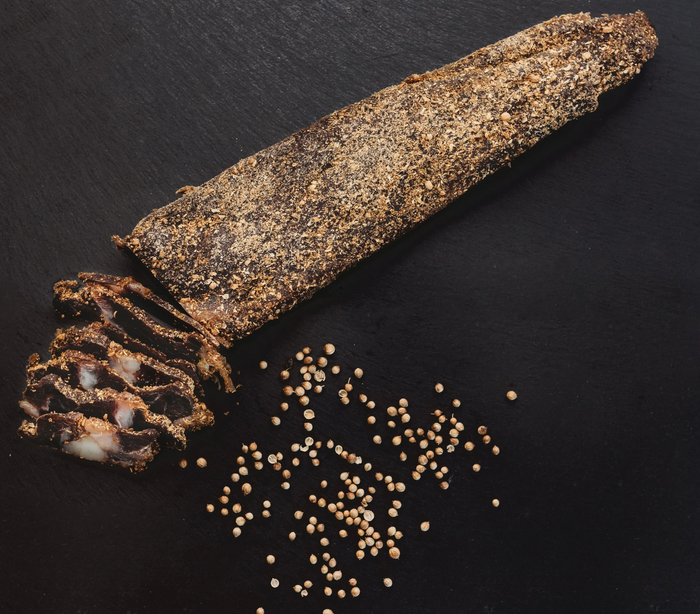
Here's where the religious practice and the preservation tradition overlap. Melichah works because coarse salt draws moisture, and the blood carried in that moisture, out of the meat through osmosis. That is exactly the same mechanism that makes salt an effective meat preservative in curing traditions worldwide, from Roman-era ham curing to biltong to modern charcuterie. Salt pulling water out of muscle tissue is salt pulling water out of muscle tissue, whether the goal is religious compliance or shelf life.
It's worth being precise about where the two practices actually differ, though, rather than overstating the connection. Melichah's purpose is removing blood, not extending shelf life, and it's a comparatively short, controlled process, an hour of salting followed by thorough rinsing. Meat curing for preservation typically uses salt far more intensively and for much longer, sometimes days or weeks, specifically to draw out enough moisture to make the meat inhospitable to spoilage bacteria over an extended period. Koshered meat that's been through melichah is not, on its own, preserved or shelf-stable in the way a fully cured product is. It still needs refrigeration like any other fresh meat.
What melichah and preservation curing do share is more foundational than either process alone: familiarity with salt as a working kitchen tool for treating meat at a deep, technical level. In households and communities where salting meat for kashrut was already a routine, non-negotiable step before meat reached the table, taking that same salt-and-meat relationship further, toward a longer cure meant to preserve rather than just kosher, was a small technical extension rather than an unfamiliar idea. That's a reasonable, chemistry-grounded explanation for why kosher communities have historically taken naturally to salt-cured products, even though it isn't a claim that melichah caused meat curing to exist.
Where This Shows Up Today
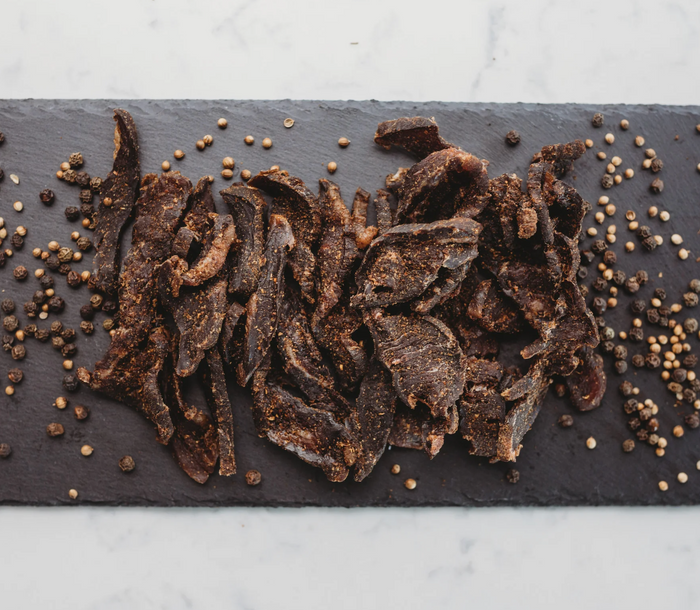
This overlap is part of why salt-and-vinegar cured products like biltong, and cooked, smoked products like traditional beef jerky, sit comfortably within kosher tradition, and why kosher certification on a cured meat product isn't just a legal formality layered on top. The underlying process, whether it's melichah removing blood or curing removing spoilage-causing moisture, runs through the same basic principle that salt has been trusted with for thousands of years: it changes meat at a chemical level in ways that matter, for safety, for law, and for how long the meat lasts.
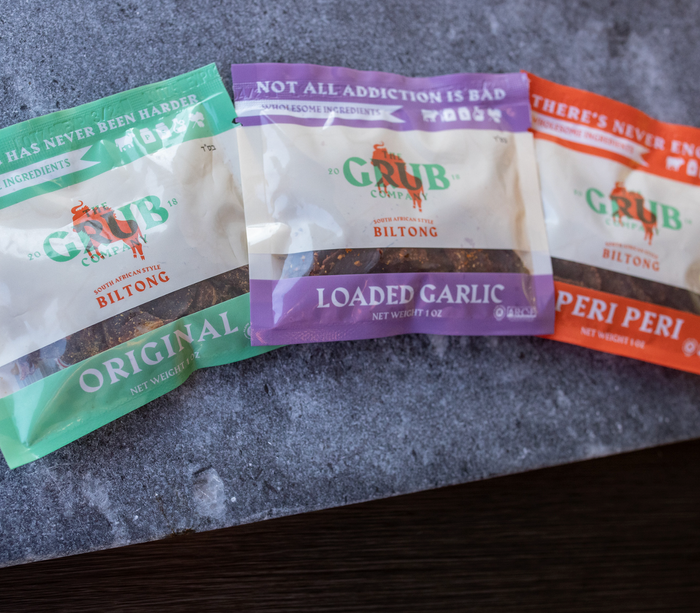
Grub Company's biltong is kosher certified, and its Meat Candy jerky line is Glatt Kosher, certified by Harav Weissmandl and Aleph K, alongside its Purim gift basket and its program donating biltong to Israeli soldiers, real touchpoints where kosher tradition and cured meat meet in practice, not just on a label.
Frequently Asked Questions
What is melichah?
Melichah is the halachic process of salting meat after kosher slaughter to remove residual blood, which the Torah prohibits consuming. It involves rinsing the meat, soaking it in cool water, covering it in coarse salt for about an hour, and then rinsing it thoroughly, typically three times, to remove the salt before the meat is considered ready to cook.
Does koshering meat with salt also preserve it, the way curing does?
Not in the same way. Melichah is a shorter, more controlled process focused specifically on removing blood, and koshered meat still needs refrigeration like any other fresh meat. True preservation curing uses salt more intensively and for much longer to remove enough moisture to make meat shelf-stable, a different goal even though it relies on the same basic salt chemistry.
Is there a Torah source for salting meat to remove blood?
Yes. Leviticus 7:26 prohibits consuming the blood of any animal or fowl, and Jewish tradition holds that the specific methods for extracting that blood from meat were transmitted orally alongside the written Torah, referenced by the phrase "as I have commanded thee" in Deuteronomy 12:21. Salting and broiling are the two accepted methods.
How long does the koshering process take, and is there a time limit?
The salting itself takes about an hour, following a roughly thirty-minute soak beforehand and a thorough triple rinse afterward. Jewish law requires the entire koshering process, from the time of slaughter to completed salting, to be finished within 72 hours of shechitah, the ritual slaughter.
Why do salt-cured products like biltong fit naturally with kosher tradition?
Both rely on the same underlying chemistry: salt drawing moisture out of meat through osmosis. Communities where salting meat for kashrut was already a routine kitchen practice were technically well positioned to extend that same salt-and-meat relationship into longer curing for preservation, which is one reasonable explanation for why salt-cured products have such a natural fit within kosher food culture.
Are all cured meats automatically kosher?
No. Curing a meat with salt doesn't make it kosher on its own. The animal has to come from a kosher species, be slaughtered according to shechitah, and go through proper koshering (melichah or broiling) for blood removal, and any product also needs proper kosher certification and supervision to confirm the entire process, including ingredients like flavorings or additives, meets kosher standards.
If you are looking for cured meat that is actually certified rather than described as kosher-style, this is what Glatt certification covers on ours, and this is what we sell.
If you want cured meat that is certified rather than merely described as kosher-style, this is the range.