What a Kosher Butcher Does (and What to Ask One)
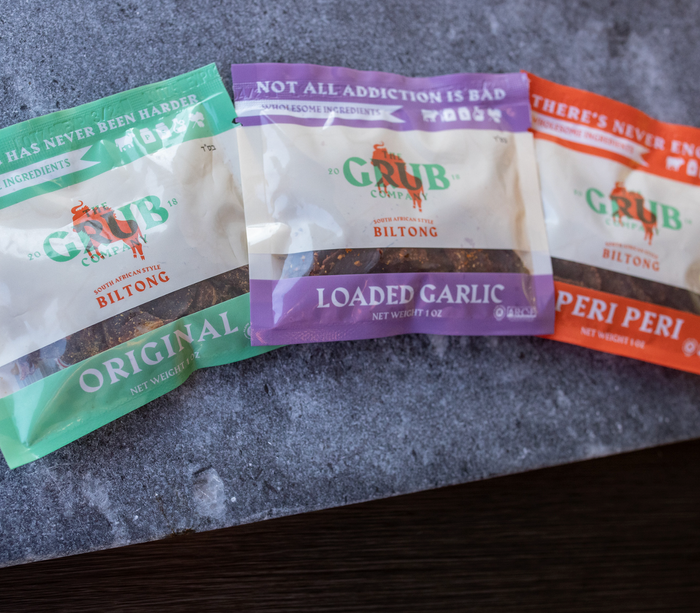
A kosher butcher sells meat that has been slaughtered, inspected, trimmed and salted under rabbinic supervision, then cuts it to order and keeps it separate from anything that is not kosher. Ask to see the current certificate, ask who supervises the shop, and ask what has already been done to the meat before it reaches the counter. Our own biltong and beef jerky are certified Glatt Kosher, made in Florida.
Related: No Kosher Store Near You? How to Get Kosher Meat and Snacks Anyway
We make certified Glatt Kosher biltong and beef snacks in small batches in Florida, so we work with kosher meat every day. We are not a butcher shop. We do not sell fresh steaks or roasts. But we know what the people on the other side of that counter do, and what a careful customer should ask them. This guide covers both.
What a kosher butcher actually does
A kosher butcher is not just a butcher who sells beef from a kosher source. The job has extra steps that a regular butcher never does. Here is the work, in the order it happens.
- Receives only kosher-slaughtered meat. The animal was slaughtered by a trained shochet using shechita, the kosher method, and inspected afterward. The butcher does not do this step. The butcher buys meat that has already passed it.
- Removes what the Torah forbids eating. Certain fats and the sciatic nerve may not be eaten. Taking them out is skilled work. It is slow, and it is why some cuts are harder to find in kosher shops than in regular ones. The process has a name, porging, and it is done by people trained to do it.
- Makes sure the blood is drawn out. Kosher meat is soaked and salted so the blood is removed. In most US shops this is already done before the meat arrives. In some it is done on the premises. Either way, someone is responsible for it, and you should know who.
- Cuts, trims and grinds to order. Brisket, chuck, short ribs, ground beef, a roast for Shabbos. Ground beef is the one to watch. In a properly supervised shop it is ground on site, from known cuts, on equipment used only for kosher meat.
- Keeps everything separate. Meat and dairy never share a knife, a board, a grinder or a counter. A kosher butcher shop is usually meat only. The whole building is built around not mixing.
- Works under a mashgiach. A mashgiach is a kosher supervisor. They visit, check seals and labels, and make sure the rules are followed when the owner is not looking. Without one, the word "kosher" on the window is only a claim.
Notice what is not on the list. A kosher butcher does not bless the meat. A rabbi's blessing is not what makes meat kosher. The steps are what make it kosher, and the supervision is how you know the steps happened.
What a kosher butcher is not
This is where people get confused, so it is worth being plain about it.
- It is not the same as a "kosher-style" deli. That phrase describes a style of food. It does not describe supervision. A shop can sell pastrami on rye and not be kosher at all.
- It is not the same as a kosher section in a supermarket. Many supermarkets sell sealed, certified kosher meat. That can be perfectly good. But it is a packaged product, not a butcher. Nobody is cutting to order, and nobody there can answer detailed questions about the cut.
- It is not a guarantee about your kitchen. The meat is kosher when you leave the shop. What you do with it at home is up to you. A kosher steak cooked in a pan that was used for dairy is a problem you created, not the butcher.
Glatt, and why the butcher may mention it
You will hear "glatt" at a kosher butcher more than anywhere else. It refers to the inspection of the animal's lungs after slaughter. Meat is "glatt" when the lungs are smooth, with no adhesions that raise a question. Glatt Kosher is the stricter standard, and many observant families buy only glatt meat.
Not every kosher butcher sells only glatt meat. Some sell both, clearly labeled. If glatt matters to your household, ask. A good butcher will answer in one sentence. If the answer is vague, that tells you something. We cover the term in more detail in our piece on what Glatt Kosher means.
What to ask a kosher butcher
Most people never ask a butcher anything beyond "what's good today?" That is a missed chance. These questions are fair, normal and welcome. A shop that is run well will be glad you asked.
- "Who supervises the shop?" You want a name, or at least an organization, and you want to see a current certificate on the wall. Check that it is dated and that it covers meat, not only the bakery or the deli counter next door.
- "Is the supervisor here every day?" Some shops have a mashgiach on the premises for every shift. Others rely on regular visits. Neither is automatically wrong. You should know which one you are buying from.
- "Is this glatt?" Ask it for each product, not once for the whole shop. Labels should say it.
- "Has this already been salted?" If you plan to cook it, you need to know whether the meat arrives ready to cook or whether the soaking and salting is still yours to do. In most US shops it is done, but do not assume. Ask.
- "Where does this cut come from?" Not every cut is easy to find in a kosher shop, because of the extra removal work. If you want a specific one, ask whether it is available kosher and how it was prepared.
- "Is the ground beef ground here?" On site, under supervision, is the best answer. Pre-ground and sealed under a certification can be fine too. The point is that you know which one you are getting.
- "When do you close before Shabbos and Yom Tov?" Practical, but it matters. Shops are busiest before holidays, and the good cuts go early. Order ahead when you can.
If you are buying for a family that keeps a stricter standard than yours, or a looser one, say so. A butcher who knows the community can steer you to the right product without a lecture.
How to tell a good one from a bad one
The meat itself tells you a lot, and so does the shop. A few things to look at on your first visit.
- The certificate is current and visible. Not curling, not years old, not hidden behind a calendar.
- Packages carry a seal or label. Kosher meat is usually sealed or tagged so that it cannot be swapped. If a package has no marking at all, ask why.
- The counter is clean and everything is meat. No dairy products in the same case. No shared tools out in the open.
- The staff can answer questions. They do not need to be rabbis. But they should know what is glatt, what has been salted and what the supervisor's name is.
- They cut to order. A real butcher can trim a brisket or slice a roast to the thickness you want. That is the whole advantage over a sealed package.
One honest warning. A friendly shop with a long history is not the same as a supervised one. People buy from the same butcher for twenty years because they like him. That is a fine reason to go back. It is not a reason to skip the certificate.
Butcher counter or online?
If there is a good kosher butcher near you, use it. You can see the meat, ask questions and have it cut the way you want. For a Shabbos roast, a fresh brisket or ground beef for the week, nothing online beats that. If you do not live near one, buying online is a real option, and we wrote a separate guide on how to buy kosher meat online.
Here is where a butcher is the wrong pick. If you want something shelf-stable, a snack for a flight, a lunchbox, a Shabbos afternoon or a drawer at the office, fresh meat does not help you. It needs a fridge and a cook. That is where we come in. Our biltong is air-dried, ready to eat, and needs no refrigeration. Open the bag and eat.
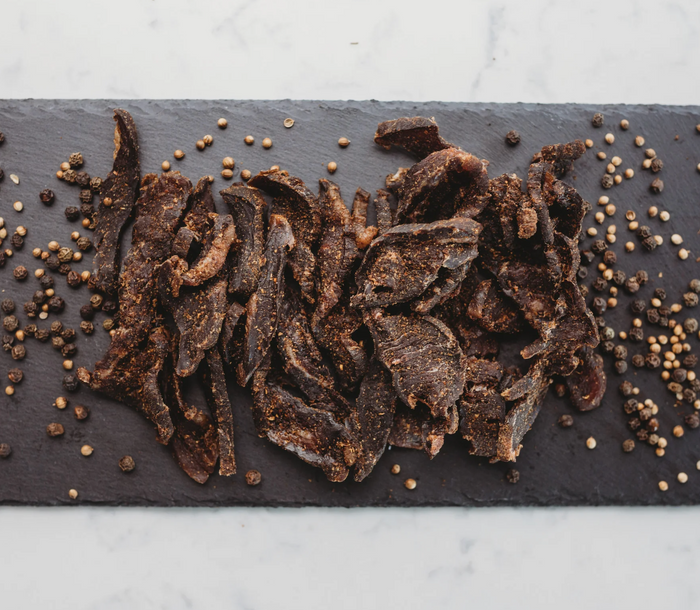
The two work together. Many of our customers buy their fresh meat from a local kosher butcher and keep a few bags of biltong in the pantry. If you are new to it, Sliced Biltong in Original is the place to start. If you prefer something sweeter, Meat Candy is our beef jerky. Both are certified Glatt Kosher, and you can see the full range of kosher beef jerky and biltong in one place. US orders over $50 ship free.
A note on keeping kosher at home
Buying from a kosher butcher is the first step. The rest happens in your kitchen. Plainly accepted practice is simple. Meat and dairy are kept separate: separate dishes, separate pots, separate utensils. People wait between eating meat and eating dairy, and how long depends on family custom, so ask your rabbi what yours is.
If you are unsure about a specific situation, such as a kitchen that was not kosher before, a pan of unknown history or a question about a particular cut, ask your rabbi. That is what the role is for. We would rather tell you to ask than guess for you.
Bottom line
A kosher butcher takes meat from a supervised slaughter, removes what may not be eaten, makes sure the blood is drawn out, cuts to order and keeps it all separate from anything that is not kosher. You can trust one that shows a current certificate, names its supervisor and answers your questions without fuss. Ask about glatt, ask about salting and ask where the cut came from. For everything that does not need a fridge, keep a bag of biltong in the pantry.
Frequently Asked Questions
What does a kosher butcher do differently from a regular butcher?
A kosher butcher sells only meat from kosher-slaughtered animals, makes sure forbidden fats and the sciatic nerve are removed and that the meat has been soaked and salted, and keeps meat completely separate from dairy. The shop works under a kosher supervisor. A regular butcher does none of this.
Is a kosher butcher always glatt?
No. Glatt is a stricter standard, and many kosher butchers sell it, but not all sell only glatt meat. Some sell both and label them. Ask about each product if it matters to your household.
Do I need to salt kosher meat myself?
In most US kosher shops the meat is already soaked and salted before you buy it. Do not assume. Ask the butcher whether it has been done, and if you are not sure, ask your rabbi what to do.
How do I know a butcher shop is really kosher?
Look for a current certificate on display, ask who the supervisor is and whether they are on site, and check that packages carry a seal or label. A shop with nothing to show you has not earned your trust yet.
Can I buy kosher meat at a supermarket instead?
Yes, if it is sealed and carries a certification you recognize. It is a different thing from a butcher, though. Nobody cuts to order, and there is usually nobody to ask about the cut. For a roast or ground beef, a butcher is better. For convenience, certified packaged meat works.
Is kosher biltong the same as meat from a kosher butcher?
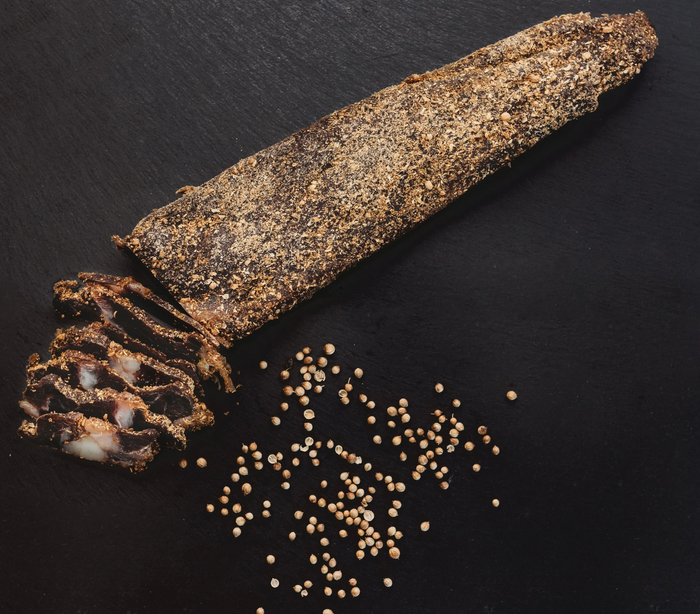
The beef comes from the same kind of supervised source. The difference is what happens next. A butcher sells fresh cuts you cook. Biltong is air-dried, seasoned and ready to eat, so it needs no cooking and no refrigeration. Ours is certified Glatt Kosher and ships anywhere in the US.
How long should I wait between meat and dairy?
It depends on your family's custom, and customs differ. Ask your rabbi what applies to you. We have a short piece on waiting after kosher jerky before dairy that explains how people think about it.