What Is Porging, and Why Does It Matter for Kosher Jerky?
Porging (nikkur in Hebrew) is the removal of forbidden fats and the sciatic nerve from a kosher animal, most of which sit in the hindquarter. It is skilled, slow work, which is why most kosher beef in the US comes from the front of the animal. It is also one of the four reasons almost no mass-market jerky is kosher. Here is why it matters for kosher beef jerky.
Related: What a Kosher Butcher Does (and What to Ask One)
What gets removed
- Chelev: certain fats that the Torah forbids, found around the organs and in parts of the hindquarter.
- Gid hanasheh: the sciatic nerve, forbidden in memory of Jacob's injury in his struggle with the angel (Genesis 32).
Removing them completely takes a trained expert, a menaker, working through the hindquarter by hand. Done wrong, the meat is not kosher.
Why most kosher beef is forequarter
In much of the world, including most of the US, the hindquarter of kosher-slaughtered cattle is simply sold to the non-kosher market rather than porged, because the labor costs more than the meat is worth. Israel is the main exception, where skilled porging is common. So the kosher cuts you usually see come from the forequarter: chuck, brisket, shoulder, rib.
| Part of the animal | Typical kosher status in the US |
|---|---|
| Forequarter (chuck, brisket, shoulder, rib) | Commonly sold kosher |
| Hindquarter (round, loin, sirloin, flank) | Usually sold to the non-kosher market unless porged |
Why it matters for jerky
Many popular jerky cuts, like top round, eye of round and bottom round, are hindquarter cuts. A mass-market jerky made from cheap round is using exactly the part of the animal that kosher production usually does not. That alone rules most jerky out before anyone looks at the marinade.
A kosher jerky maker has to work either with forequarter cuts or with properly porged hindquarter, both of which cost more. That is part of why kosher beef jerky costs more.
What you can check
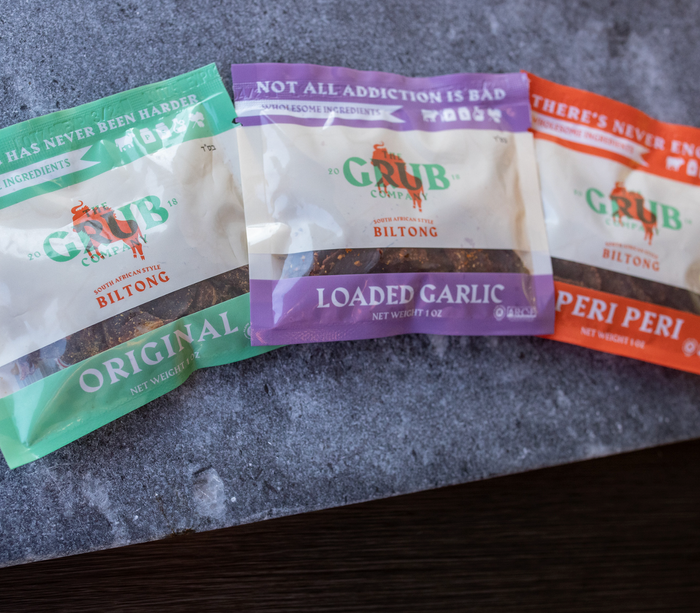
You cannot see porging on a bag. What you can see is a reliable agency's hechsher on the finished product, which means the agency is responsible for the cut and its preparation. Our Meat Candy and our biltong are certified Glatt Kosher; the certificates are published here. For the full list of what to check, see is beef jerky kosher?
Try it: Is This Jerky Kosher? Label Checker. Answer five questions about the bag in your hand.