Breaking the Yom Kippur Fast: What to Eat First
Break the Yom Kippur fast gently: water first, then something light and easy to digest, then the real meal once you have settled. Most families serve a dairy spread or a simple meat meal, and a few salty, protein-rich bites help most people feel steady again. Our own biltong and beef jerky are certified Glatt Kosher, made in Florida.
Related: Rosh Hashanah Simanim: The Symbolic Foods, Apples and Honey Explained
We are a kosher meat-snack maker, not a rabbi and not a doctor. But we make certified Glatt Kosher biltong and jerky, and we hear every year from people planning the first meal after 25 hours without food or water. This guide covers what to eat first, two ways to build the table, a kugel recipe you can make before the fast, and where a meat snack fits. It does not cover medical questions. If you have a health condition, or you are pregnant, or you were told to eat or drink on Yom Kippur, ask your doctor and your rabbi.
What to Eat First After the Fast
The fast ends after nightfall, at the time your community announces. Before that moment, nothing. After it, the order matters more than the menu.
Start with water. A glass, sipped, not gulped. Many people add a second glass before touching food. Coffee and tea come next for those who need the caffeine, and a headache after the fast is often just that.
Then something small, soft and a little sweet. Dates, a slice of challah, a piece of cake, a glass of juice. These go down easily after a long empty stretch.
Then wait a few minutes before the big plate. Your stomach has been idle all day. A heavy, greasy meal eaten fast is what makes people feel worse, not better. Take ten minutes. Sit down. The meal will still be there.
Custom varies on what comes first, and on how long you wait before the meal. Follow your family and your shul. If the question is whether something is permitted, ask your rabbi.
Two Ways to Build the Break-Fast Table
Most tables follow one of two patterns. Both are accepted practice. Pick the one your family already uses, or the one that fits your kitchen.
The Dairy Break-Fast
Many families break the fast with a dairy meal. The reasons are practical: dairy is light, it cooks ahead easily, and nothing needs to be carved or reheated at the last minute.
A typical dairy table:
- Bagels, rolls or challah
- Cream cheese, butter and a few spreads
- Smoked or baked fish, if your family eats it
- Egg salad or hard-boiled eggs
- Noodle kugel or blintzes
- Fruit, juice, coffee and cake
The rule that does not bend: meat and dairy stay separate. A dairy table has no meat on it. If you have a meat snack in the house for later, it stays in the cupboard until after the dairy meal is over and you have waited the time your family's custom requires. How long that is depends on your custom, so ask your rabbi if you are not sure.
The Meat Break-Fast
Other families break the fast with chicken soup and a meat meal. It is warm, it is salty, and it replaces what the day took out. If that is your table, keep dairy off it entirely: no butter on the rolls, no cream in the coffee unless it is a pareve creamer, no cake with milk in it. Read the labels on the rolls, crackers and desserts. Many are pareve, but not all.
A meat break-fast is also where a salty snack fits naturally. More on that below.
A Noodle Kugel You Can Make Before the Fast
A baked noodle kugel is the workhorse of a dairy break-fast. It is made the day before, it reheats well, and it feeds a crowd. This recipe is dairy, so it belongs on a dairy table only.
Makes: one 9x13-inch pan, about 12 servings.
You need:
- 12 oz wide egg noodles
- 4 eggs
- 1 cup sour cream
- 8 oz cream cheese, softened
- 1/2 cup sugar
- 1/4 cup (4 tablespoons) butter, melted, plus a little for the pan
- 1 teaspoon vanilla
- 1/2 teaspoon cinnamon
- 1/4 teaspoon salt
How to make it:
- Heat the oven to 350°F. Butter a 9x13-inch pan.
- Boil the noodles in salted water until just tender, about 6 minutes. Drain well.
- Beat the cream cheese with the sugar until smooth. Beat in the eggs one at a time, then the sour cream, melted butter, vanilla, cinnamon and salt.
- Fold in the noodles. Pour into the pan.
- Bake 45 to 55 minutes, until the top is golden and the center is set.
- Cool, cover and refrigerate. On the day, reheat covered at 325°F for about 20 minutes.
Two honest notes. Sweet kugel is rich, and it is not the first thing to eat after a fast. Put it out with the second wave. And if you hold your food for a long time on a warming tray, a noodle kugel dries out, so reheat only what you will serve.
Where a Meat Snack Fits (and Where It Does Not)
Here is the honest part, since we sell the stuff. Biltong is the wrong first food after the fast. It is salty and dense, it takes real chewing, and it is not what a dry mouth and an empty stomach want at nightfall. Start with water and something soft.
Where it does fit:
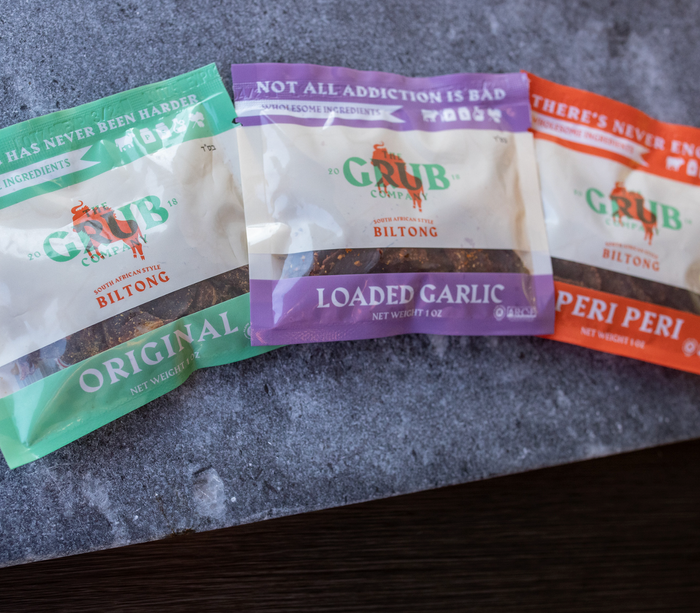
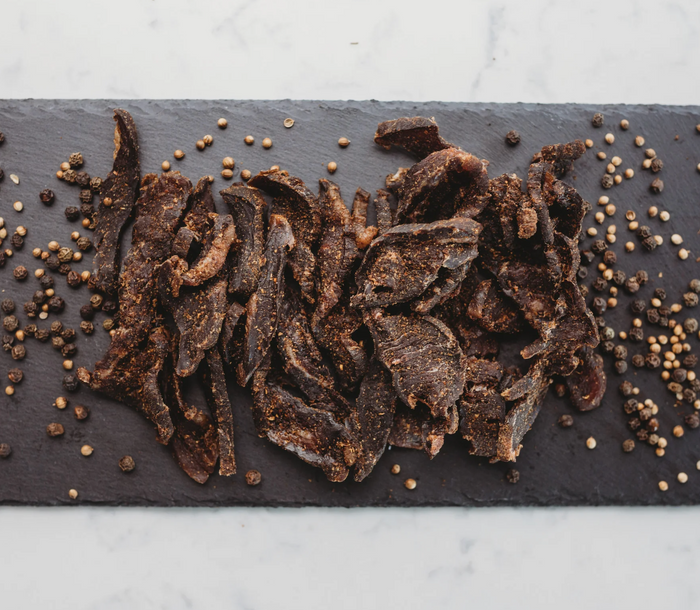
- On a meat break-fast table, later in the evening. Once you have had soup and settled, a bowl of Sliced Biltong in Original gives people something savory to pick at. It is high in protein, it is already cured and ready to eat, and there is nothing to cook, heat or carve. Original suits everyone. Peri Peri has real heat, and after a day without food, a lot of people do not want that.
- The next day. Yom Kippur is followed quickly by Sukkot preparation, and a lot of people spend that time hungry, tired and busy. A bag in the car or the sukkah-building toolbox is useful.
- As a gift for the host. If you are bringing something to a break-fast, bring something that does not clash with the menu. A meat snack is wrong for a dairy table. Ask the host first, or bring fruit or pareve baked goods.
If you like jerky better than biltong, Meat Candy is the sweeter, cooked option in Hickory Kickory Dock and Baa-Baa BBQ Sheep. Biltong is savory and air-dried. Meat Candy is glazed and sweet. People tend to choose by mood, and there is more on that in our guide to kosher beef jerky. Every bag is certified Glatt Kosher, and you can see the full range on our Buy Biltong Online page.
Tips for a Calmer Break-Fast
- Set the table before you leave for shul. Better yet, before Yom Kippur begins. Coming home to a set table is a small mercy.
- Keep water and juice at hand. Pitchers on the table, not in the fridge.
- Go lighter than you want to. The urge to eat everything at once is strong. Eat a little, wait, eat again.
- Cut back on very salty food at first. Salt makes you thirsty, and you have just spent a day thirsty.
- Make a small plan for children and guests. Kids who were not fasting still get hungry at the same time as everyone else, so have something simple ready.
- Take it easy on caffeine. If you are a heavy coffee drinker, a small cup is a gentler return than a large one on an empty stomach. If you are prone to withdrawal headaches, ask your doctor about it before the fast.
For other holiday meals where the kitchen is closed, our guide to Shabbos and Yom Tov food that needs no kitchen and the short list of kosher snacks with real protein may help.
The Bottom Line
Water first, something soft second, the meal third. Choose a dairy table or a meat table and keep the two apart. Make the kugel or the soup ahead. Save the salty snacks for later in the evening, and ask your doctor and your rabbi about anything that is not a custom question. A good break-fast is a quiet one.
Frequently Asked Questions
What should I eat first when breaking the Yom Kippur fast?
Water, sipped slowly, then something small and soft such as dates, juice, challah or cake. Wait a few minutes before the main meal. Customs differ, so follow your family and your shul.
Do you have to eat dairy to break the fast?
No. A dairy break-fast is a widespread custom, not a requirement. Many families serve a meat meal. Either way, keep meat and dairy separate, and ask your rabbi about the wait between them if your custom is unclear.
Is biltong a good food to break a fast with?
Not as the first bite. It is salty and takes a lot of chewing. Once you have had water and something soft, it works well on a meat table as a protein-rich snack. It is already cured and ready to eat, with no cooking needed.
Can I serve meat and dairy at the same break-fast?
Not at the same meal. If you want both, serve one meal, wait the time your family's custom requires, and then serve the other. Ask your rabbi what that wait should be in your home.
What can I make before Yom Kippur so I am not cooking afterward?
A baked noodle kugel, egg salad, chicken soup, a cake, cut fruit and a spread platter all keep well and reheat easily. Prepare them the day before and refrigerate.
What if I get a headache or feel dizzy after the fast?
Drink water and eat something small. If it does not pass, or if you have a medical condition, talk to your doctor. We cannot give medical advice.
Does Grub ship biltong for the holidays?
Yes, within the US. US orders over $50 ship free. Order a few days ahead so it is in your kitchen before the holiday starts.