Is Biltong Actually Good for Keto? What the Macros Tell You
Biltong gets recommended for keto constantly, and most of the time the recommendation is right. But "keto-friendly" has become a label people slap on anything with protein, so it's worth being specific about what actually makes biltong work for a low-carb diet, and what disqualifies a product that calls itself biltong but isn't really.
Ready to try it? Buy Glatt Kosher biltong online. Made in Florida, free US shipping on orders over $50.
Why Biltong Works for Keto (When It's Made Right)
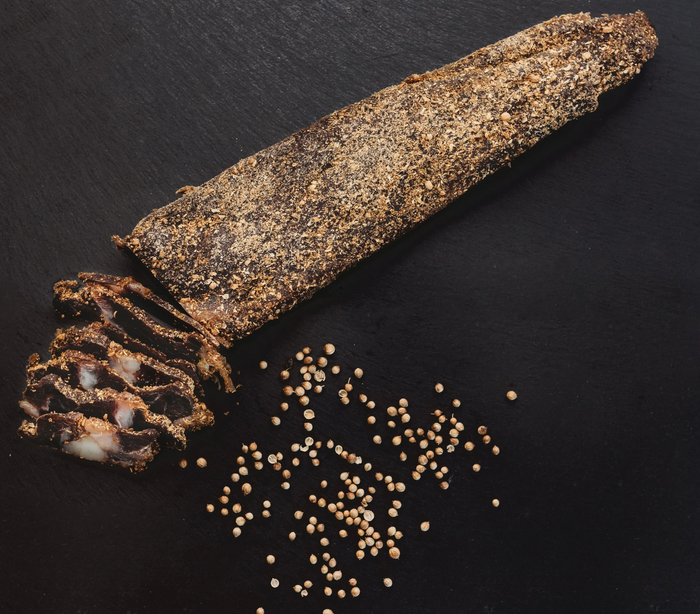
Real biltong is air-cured beef. The curing process uses vinegar, salt, and spices. That's it. No heat, no sugar basting, no marinade that needs sweetness to balance smoke. The result is a snack with meaningful protein, negligible carbohydrates, and no ingredients your body has to account for on a keto day.
The macro profile matters. Biltong is predominantly protein with natural fat from the beef itself. Carbohydrates, when the product is made traditionally, are close to zero per serving. That's the profile you want when you're keeping carbs low, a snack that fills a protein target without touching your carb ceiling.
Our biltong uses grass-fed beef and a spice cure. No sugar is added to the marinade. That's not a marketing claim. It's just how biltong is supposed to be made, and it's why the carb count stays where it should.
How to Read a Biltong Label (and What to Actually Look For)
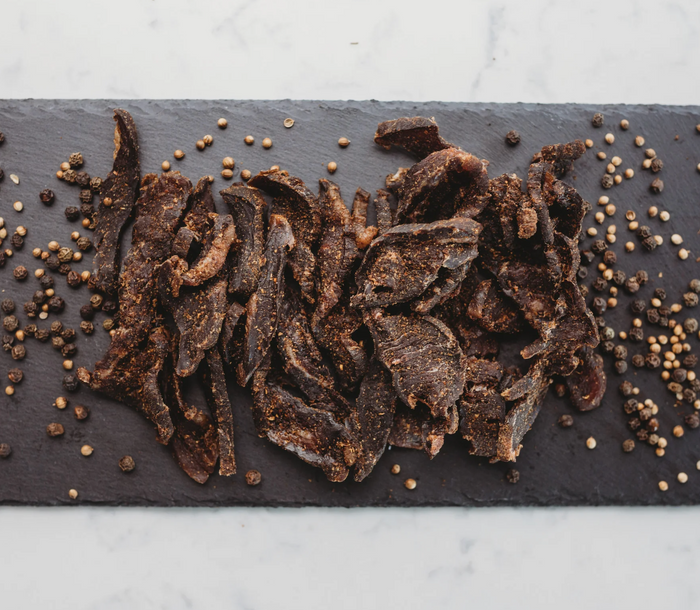
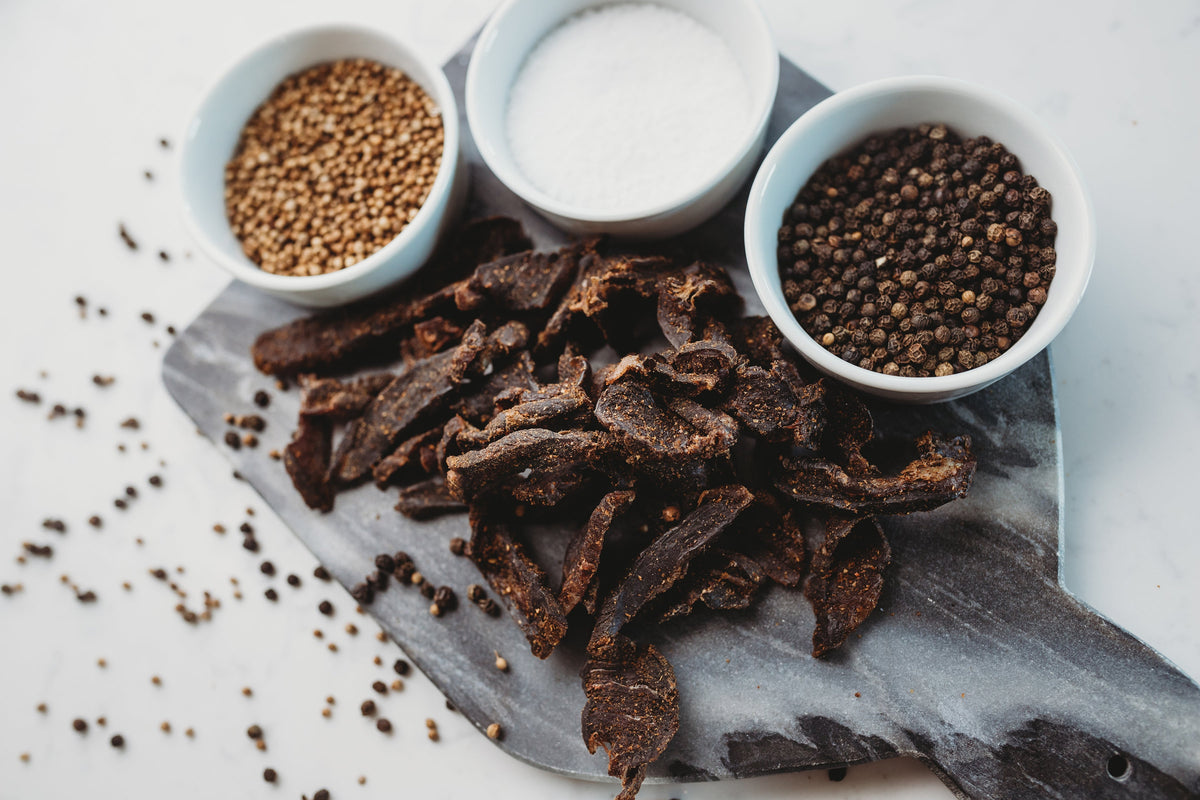
The ingredient list is the real label. For keto-compliant biltong, it should read something like: beef, vinegar, salt, coriander, black pepper. Maybe a chili for Peri Peri. That's a short list by design. When the list extends to modified starches, dextrose, or natural flavors with no further detail, you're looking at a product that has drifted from traditional biltong into something closer to processed jerky wearing a different name.
Fat content is worth paying attention to for a different reason. Keto works best when fat is the dominant macronutrient, not protein. Biltong from leaner cuts, like sliced muscle meat from the round, will be higher in protein relative to fat. That's fine for most people on keto, but if you're in an early induction phase and trying to drive fat intake higher, you'll want to eat biltong alongside something fat-dense rather than treating it as a complete macro solution on its own. Pair it with cheese, avocado, or a handful of nuts to balance the ratio.
Portion Size and When to Eat It
The satiety curve on biltong is real. It's a dense, chewy snack. A one-ounce serving takes longer to eat than a protein bar, and the protein content triggers fullness more reliably than processed alternatives. That's useful when you're in the first few weeks of keto and hunger is the main challenge.
For keto dieters who eat biltong regularly, the Sliced Biltong at $11.99 is the practical middle ground. Enough to last through a week of daily snacking, consistent flavor, and the same grass-fed beef base as everything else in the range.
One thing worth saying plainly: biltong is a protein snack, not a fat bomb. It fits keto well, but it doesn't replace the dietary fat your body needs to stay in ketosis. Build your meals around fat-dense whole foods and use biltong to hit protein targets and manage hunger. That's where it performs best.
Flavor and Keto Compatibility
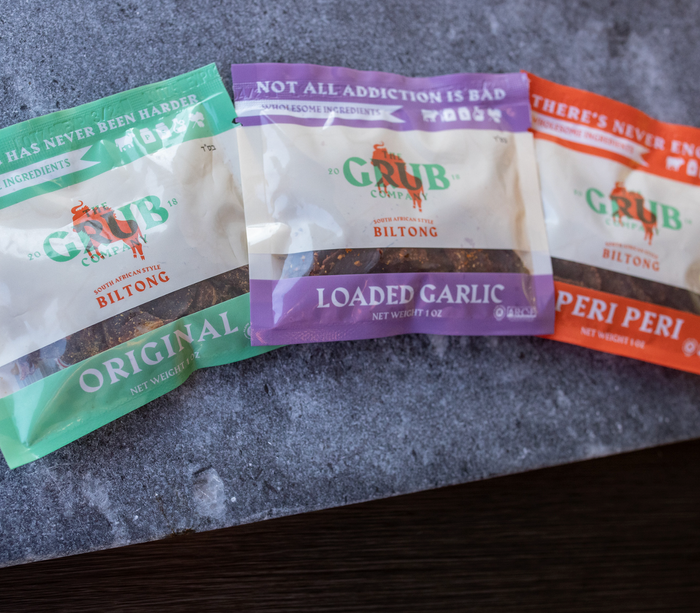
All three of our flavors, Original, Peri Peri, and Loaded Garlic, are made without added sugar. The Peri Peri uses chili for heat, which carries a small amount of natural carbohydrate from the pepper itself, but nothing that registers meaningfully in a normal serving. The heat from capsaicin is worth mentioning for another reason: it adds intensity to a snack that might otherwise feel monotonous if you're eating it daily. Flavor fatigue is a real problem on restrictive diets, and rotating between three distinct profiles helps.
The Sampler Pack at $12.99 is the right starting point if you're new to our biltong and want to test all three before committing to a larger bag. It contains one mini bag of each flavor, which is also a practical way to figure out which one you'll actually reach for when you're hungry and not in the mood to think about it.
The Bottom Line
Biltong is genuinely one of the better keto snacks available, not because of marketing, but because of how it's made. Air-cured, spice-cured, full-muscle beef with no added sugar is exactly what the label should say, and it's what ours does. Read ingredient lists before you buy anything, ignore "zero carb" claims that aren't backed by a clean ingredient list, and use biltong to manage protein and hunger rather than as a fat source. That's how it actually earns its place in a keto diet.
Still figuring out which format fits your routine? These are the questions we hear most from keto dieters before they order.
Frequently Asked Questions
How does biltong compare to beef jerky for keto macros?
Most commercial beef jerky uses sugar as a standard marinade ingredient. A typical serving carries between 6 and 10 grams of carbohydrates. Traditional biltong skips the sugar entirely. The curing process relies on vinegar and spices, which means the carb count stays negligible. If you're tracking macros carefully, that difference adds up across a week of daily snacking. Biltong also tends to be denser in protein per gram because the air-curing process removes water without cooking the meat, which concentrates the nutritional content.
Can I eat biltong during the induction phase of keto?
Yes. The carbohydrate content of traditionally made biltong is low enough to fit even strict induction-phase limits. The main thing to watch is portion size and what you pair it with. Biltong is protein-forward, not fat-forward. During induction, when hitting fat targets matters most, pair biltong with a fat-dense food like cheese or avocado rather than eating it alone as a meal replacement. As a between-meal snack, a small serving works cleanly without touching your carb budget.
How much biltong should I eat per day on keto?
There's no single right answer because it depends on your total protein target and the rest of your diet. As a general reference, a one-ounce serving of sliced biltong provides meaningful protein with minimal carbohydrates. Most keto dieters use biltong as a between-meal snack rather than a primary protein source, which means one to two servings a day fits naturally into a structured eating plan. If you're weighing portions precisely, the 1LB bulk bag gives you the flexibility to measure exactly what you need.
Does grass-fed beef make a difference for keto snacking?
It depends on what you're optimizing for. Grass-fed beef has a different fat composition than grain-fed beef, the ratio of omega-3 to omega-6 fatty acids shifts in a direction most nutrition-focused eaters prefer. For keto dieters who are already paying attention to food quality, that distinction matters. Our biltong starts with grass-fed beef, which means the base ingredient reflects the same sourcing standard you'd apply to the rest of your diet. The flavor is also noticeably cleaner. Grass-fed beef has less of the heavy, greasy aftertaste that grain-fed cuts can carry after curing.
Is biltong better than protein bars for keto?
For most keto dieters, yes. And the reason is the ingredient list. Most mainstream protein bars carry 20 to 30 grams of carbohydrates, often from syrups or sugar alcohols marketed as low-glycemic. Even "keto" protein bars frequently use ingredients that affect blood sugar for some people. Biltong made with vinegar, salt, and spices has none of that. It's whole-muscle beef. The trade-off is that protein bars are engineered to hit specific macro ratios, and biltong is not a formulated product. If your priority is a clean ingredient list and a snack that actually fills you up, biltong wins without much competition.
For the macros to work, the blend has to have no added sugar in it — which rules out most of what is sold as dried meat. Our Original blend is six ingredients and zero sugar.
The blends that actually clear those macros — around 36 g of protein and no added sugar.