How to Make Biltong at Home vs Buying Pre-Made
How to Make Biltong at Home vs Buying Pre-Made
Making biltong at home is genuinely doable. The process is not complicated in theory. You cure beef in vinegar and spices, hang it in a dry, ventilated space, and wait. But the gap between "doable in theory" and "consistently good batch after batch" is where most first-timers find out the hard way what they missed.
Want some on hand? Order biltong online: Glatt Kosher, air-dried in Florida, free US shipping over $50.
This is an honest breakdown of both paths. Not a sales pitch for pre-made. Not a DIY cheerleading session. Just what each option actually costs you in time, money, and effort, and which one makes sense depending on what you're after.
What Home Biltong Actually Requires
The equipment list is short on paper. You need a drying box or dedicated space with airflow, a small fan, a way to hang meat (hooks or a rack), and ideally a humidity monitor. A basic setup runs you somewhere between the cost of a few bags of pre-made biltong and a proper dehydrator rig. That math matters if you're doing the economics of DIY.
Then there's the time. Biltong is not a weekend project. Depending on thickness, ambient humidity, and how dry you want the finished product, you're looking at anywhere from five days on the short end to two or three weeks for thicker cuts. That's not active time, most of it is waiting, but it is time your meat is hanging in a controlled environment that needs to stay controlled. If your humidity spikes because you live somewhere coastal, or the temperature swings because you hung it near a window, the batch suffers.
The most common first-timer failures come down to three things: uneven thickness in the meat cuts (which means some pieces finish days before others), inconsistent airflow (which causes surface hardening before the interior dries properly), and spice ratios that are either too heavy or too flat. Most home recipes share the ingredient list but not the precision behind it. That's the gap.
None of this is unsolvable. Plenty of home biltong makers get genuinely good at it over time. But "over time" is the operative phrase. Your first batch is unlikely to match what a producer who has dialed in their process across hundreds of batches can do consistently.
Where Home Biltong Actually Wins
Customization is the real argument for DIY. If you want a specific spice blend, a particular cut of beef, a very specific dryness level that no commercial product matches, or you simply enjoy the craft of making your own food. Home biltong is worth the learning curve.
Bulk economics also eventually tip in favor of DIY if you're consuming a lot of biltong regularly and you've already absorbed the equipment cost. Raw beef plus spices plus time is cheaper per ounce than finished product, once you stop counting your labor and the failed batches.
There's also something to be said for knowing exactly what went into it. You chose the beef, you mixed the spice, you controlled the process. For some people that matters more than convenience.
What Pre-Made Gets You That Home Production Can't Easily Replicate
Consistency is the honest answer. When we make a batch of sliced biltong here, it starts with grass-fed beef and a spice blend we've run enough times to know exactly what it produces. The texture, the flavor depth, the moisture level. Those aren't variables we're hoping work out. They're the result of doing the same thing correctly, repeatedly.
That's hard to replicate at home, not because the process is secret, but because consistency requires repetition. You can't dial in a spice ratio on your first or second batch. You can't know how your drying environment handles a humid week versus a dry one until you've run it through both conditions multiple times.
Pre-made also removes the food safety guesswork. Proper biltong requires maintaining specific conditions throughout the drying phase. Commercial production operates under food safety requirements that home setups don't. That doesn't mean home biltong is inherently unsafe. But it does mean the margin for error is yours to manage, not ours.
For someone who wants biltong regularly without the project attached to it, pre-made is simply the practical option. Our bulk 1LB sliced biltong option exists specifically for that reason. It costs less than setting up a home rig and delivers a finished product you'd spend months of trial batches trying to match.
The Honest Verdict on Which Path Fits You
If you genuinely enjoy the process of making food, want full control over ingredients and flavor, and have the patience to learn through a few imperfect batches. DIY biltong is a worthwhile project. Give it three or four batches before you judge the results.
If what you actually want is good biltong on a regular basis without the time investment, the equipment cost, or the variable results, buying from a producer who has already solved those problems is the straightforward answer. The Biltong Sampler Pack is the right starting point if you want to taste all three flavors before committing to bulk. The 1LB wholesale bag is where the economics make sense once you know what you like.
Both paths are legitimate. One just takes longer to get right.
A few questions come up regularly when people are deciding between these two options. Here are the ones we hear most.
Frequently Asked Questions
How long does homemade biltong actually take from start to finish?
Plan for a minimum of five to seven days for thin slices in a well-ventilated, low-humidity environment. Thicker cuts, anything over an inch, can take two to three weeks to reach proper interior dryness. The timeline shifts significantly based on your local humidity. High-humidity environments slow the process and increase the risk of surface mold before the interior dries. Most first-timers underestimate this and pull batches too early.
What equipment do I actually need to make biltong at home?
At minimum: a ventilated box or enclosed space, a small fan for airflow, hooks or a rack to hang the meat, and a humidity monitor. A dedicated biltong box (available online) simplifies the setup. You don't need a dehydrator, biltong is air-dried, not heat-dried, but you do need consistent airflow and a stable environment. The upfront equipment cost is real and worth factoring into your decision before assuming DIY is automatically cheaper.
Is homemade biltong safe to eat?
It can be, but food safety in home biltong depends entirely on maintaining proper temperature and humidity throughout the drying phase. The vinegar cure and salt create an inhospitable environment for most bacteria, but improper drying conditions, particularly humidity spikes or inadequate airflow, can allow surface mold to develop. Commercial producers operate under food safety requirements that include equipment and monitoring home setups don't replicate. If you make it at home, use a humidity monitor and don't rush the drying phase.
Why does my homemade biltong come out tough instead of tender?
The most common causes are uneven meat thickness and over-drying. Biltong cut at inconsistent thicknesses will dry at different rates, thinner pieces finish well before thicker ones, and if you leave everything hanging for the same amount of time, the thin pieces become hard. Air circulation patterns also matter: if some pieces hang with less airflow than others, the exterior hardens before the interior moisture escapes, which creates a tough, dense texture rather than the melt-in-mouth result you're after.
Is pre-made biltong actually cheaper than making it yourself?
In the short term, yes. Especially once you factor in equipment costs. A home drying setup costs real money upfront, and your first few batches will likely have some waste as you learn the process. Raw beef plus spices is cheaper per ounce than finished biltong, but that math only works out over many successful batches. Our 1LB bulk biltong option is designed for regular buyers who want wholesale-level pricing without the DIY overhead. For most people who aren't committed hobbyists, pre-made comes out ahead when you count everything honestly.
Can I customize flavor when buying pre-made, or is that only a DIY advantage?
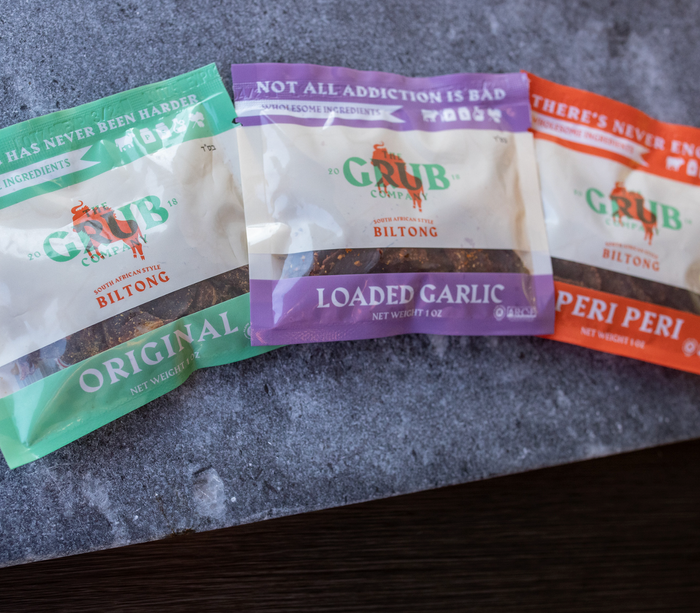
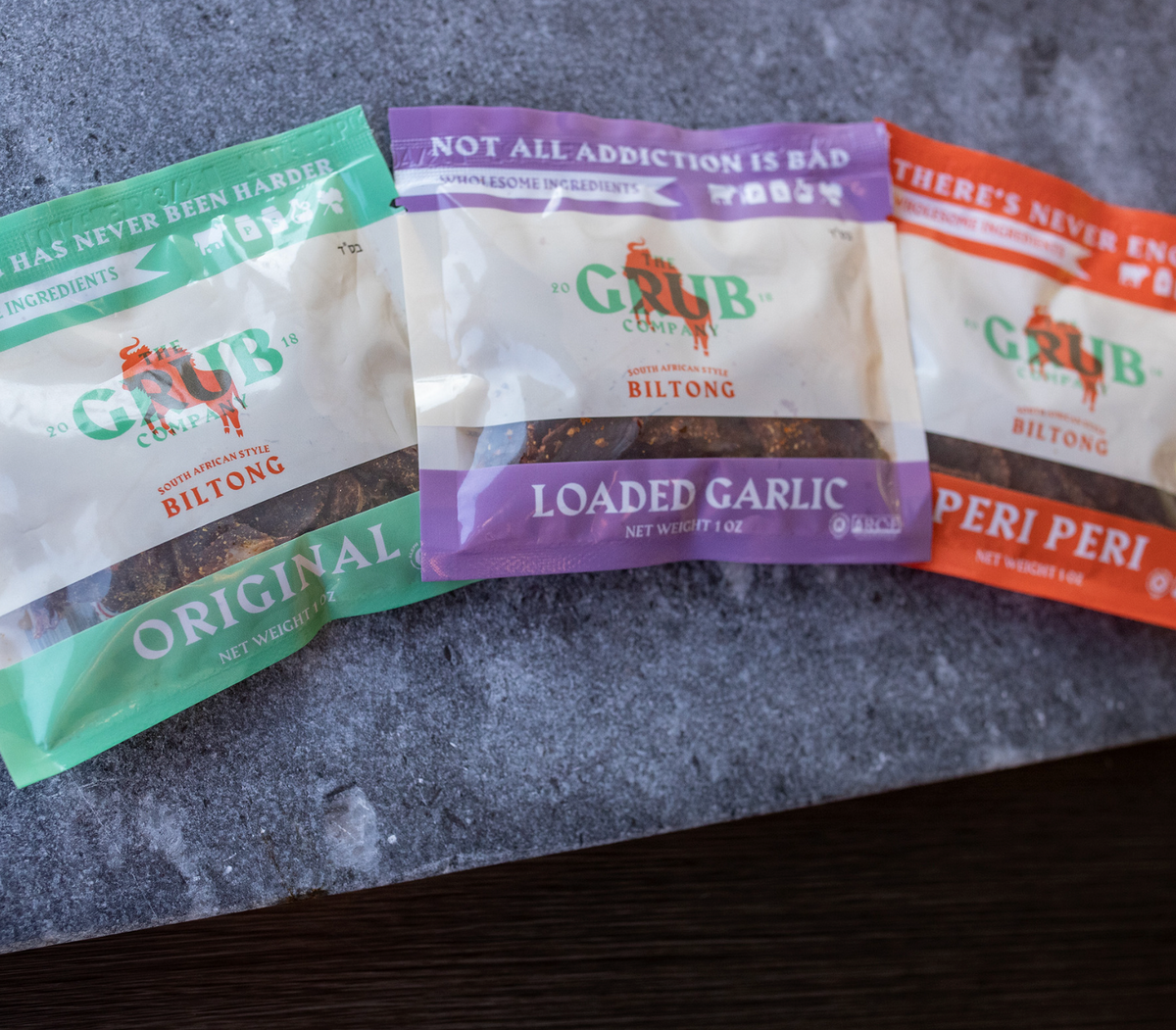
Flavor variety is actually easier to explore pre-made than DIY, at least at the start. Home biltong means committing a full batch to one spice profile and waiting weeks to taste the result. Our Biltong Sampler Pack gives you Original, Peri Peri, and Loaded Garlic in one order, so you can compare all three flavors before deciding which one you want in bulk. Once you know your preference, the 1LB bag is there. DIY customization makes more sense once you already know what you're trying to build.
What makes commercial biltong texture different from homemade?
Consistency in meat preparation, spice penetration, and drying conditions. Our sliced biltong starts with grass-fed beef cut to consistent thickness, cured with a spice blend we've refined across many batches, and dried in conditions we've dialed in over time. Home batches typically involve variable meat thickness, spice ratios that change slightly each time, and drying environments that respond to weather and season. The result at home can be excellent. But it takes repeated batches to approach the consistency a dedicated producer achieves routinely.