How to Make Beef Jerky at Home (and What Changes If You Keep Kosher)
To make beef jerky at home, slice lean beef thin, marinate it cold, heat it to 160°F, then dry it at 130 to 140°F until it bends and cracks without snapping. If you keep kosher, the method stays the same, but the beef, the marinade and the equipment all have to be kosher too. Our own biltong and beef jerky are certified Glatt Kosher, made in Florida.
Related: How to Make Beef Jerky in a Food Dehydrator (Kosher Kitchen Guide)
We are a small-batch maker of certified Glatt Kosher jerky and biltong, so we spend our days on exactly this problem. This guide gives you a working home method, the safety steps that matter, and an honest look at where home jerky gets complicated for a kosher kitchen. Our own products are certified Glatt Kosher, and we will say plainly when buying is the easier route.
What you need
You do not need much. A sharp knife, a cutting board, a bowl or zip bag for the marinade, and a way to dry the meat at a low, steady temperature.
- A food dehydrator. This is the best tool. It holds a steady low temperature and moves air across the meat.
- Or an oven that can hold a low temperature, with the door cracked open for airflow and the strips on racks over a sheet pan.
- A food thermometer. Do not guess. You are checking the meat, not the clock.
- Lean beef. Fat does not dry well and turns rancid. Choose a lean cut, such as a round roast or flank, and trim every visible edge of fat.
The method, step by step
1. Slice thin and even
Freeze the beef for about an hour first. Firm meat slices cleanly. Cut strips about a quarter inch thick. Even strips dry at the same rate, so uneven ones leave you with some pieces leathery and some still soft.
Cut with the grain for a chewy, classic strip. Cut against the grain if you want a more tender bite. Neither is wrong. It is a texture choice.
2. Marinate cold
Raw meat stays in the refrigerator while it marinates. Never leave it on the counter. Use a covered bowl or a sealed bag, and give it several hours or overnight. Throw away used marinade. It has touched raw meat.
A simple marinade for about a pound of beef:
- 1/4 cup kosher-certified soy sauce or tamari
- 1 tablespoon brown sugar
- 1 tablespoon apple cider vinegar
- 1 teaspoon black pepper
- 1 teaspoon garlic powder
- 1/2 teaspoon smoked paprika
Whisk it, pour it over the strips, turn them to coat, and refrigerate. Pat the strips dry with paper towels before drying. Wet meat takes much longer to dry.
3. Heat the meat to a safe temperature first
This is the step most home recipes skip, and it is the one that matters most. The USDA Meat and Poultry Hotline recommends heating beef to 160°F (and poultry to 165°F) before the drying stage. The reason is that a dehydrator or warm oven, at 130 to 140°F, may never get the meat hot enough to destroy bacteria. Once the meat has dried, bacteria also become much more heat resistant, so killing them early is the safe order of events.
Steam, boil or bake the strips until a food thermometer reads 160°F, then move them to the dehydrator. Check the thickest strips, not the thin ones.
4. Dry at a steady low temperature
The USDA advises holding the dehydrator at a constant 130 to 140°F. Lay the strips in a single layer with space between them so air can move. Do not stack them.
Drying time depends on thickness, humidity and your machine, so treat any hour count as a rough guide and test the meat instead. A finished strip bends and cracks but does not snap in two. It should not feel wet or squishy in the middle.
5. Cool, then store
Let the strips cool completely before you bag them. Warm jerky sealed in a bag sweats, and moisture invites spoilage. The USDA says home-dried jerky keeps about one to two months. Commercially packaged jerky is made under controlled processes and keeps far longer, which is one real difference between a home batch and a bag from a maker. Watch for any off smell, any fuzz or any soft spot. If you are unsure, throw it out.
What changes if you keep kosher
The steps above are the easy part. The harder part is that jerky touches a lot of kosher rules at once, and a home kitchen is where those rules get tested.
- The beef. It must come from a kosher animal, slaughtered and prepared under kosher supervision, and then koshered by salting and soaking if the cut was not already. Most supermarket beef is none of these. Ordinary supermarket beef is not kosher, and no marinade fixes that.
- The marinade. Every bottled ingredient needs reliable kosher certification. Soy sauce, vinegar, liquid smoke and spice blends are the usual traps. We explain one of the most common in why Worcestershire sauce makes most jerky not kosher.
- Meat and dairy. Meat and dairy are kept separate, including the tools that touch them. A dehydrator, oven rack or knife that has been used with dairy, or with non-kosher food, is a question for your rabbi before it touches your meat. How and whether a piece of equipment can be made kosher is not something to guess at.
- Heat and cooking. Some kosher households have questions about who is involved in cooking meat and in what setting. Your family's custom and your rabbi decide this, not us.
For the full picture of what to look for on a package, see Is Beef Jerky Kosher? What Makes Jerky Kosher, and What to Check.
When to make it, and when to buy it
Make jerky at home if you enjoy the process, have a dehydrator, and have a fully kosher kitchen and a source of kosher beef. It is a good weekend project. You control the spices and the thickness, and a batch feels like an accomplishment.
Home jerky is the wrong pick if you want a reliable, certified product, a long shelf life, or something to hand a guest without a conversation. Making jerky is also slow. Between slicing, marinating, heating and drying, a batch takes most of a day or two, and it is easy to get wrong. The most common mistakes are fat left on the meat, uneven slices, and skipping the heating step.
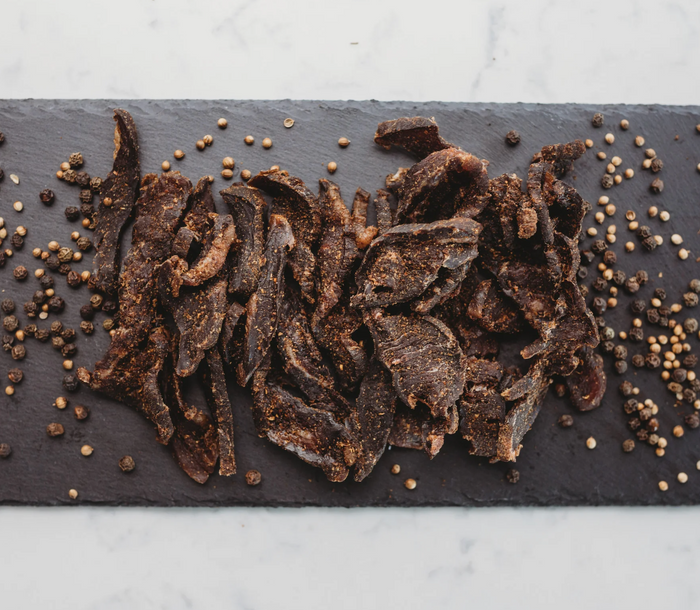
That is the gap we fill. Our sweet jerky is Meat Candy, made from whole sliced beef in two flavors, Hickory Kickory Dock and Baa-Baa BBQ Sheep. If you want to browse the whole shelf, start with our kosher beef jerky collection.
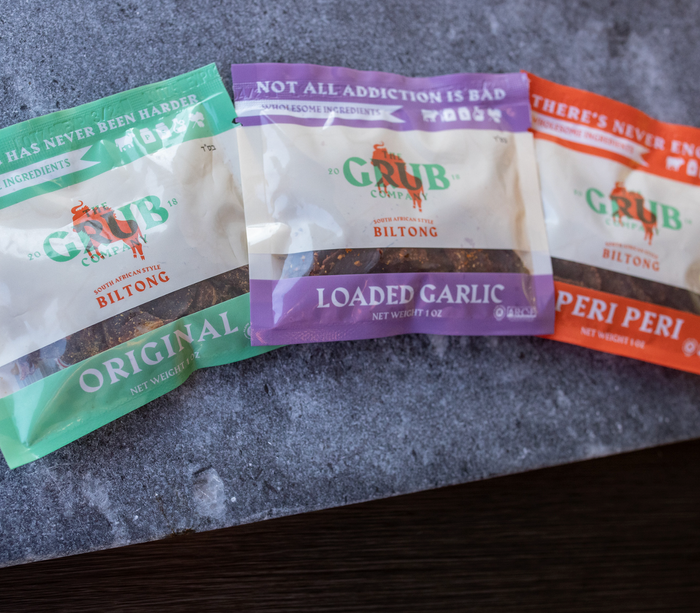
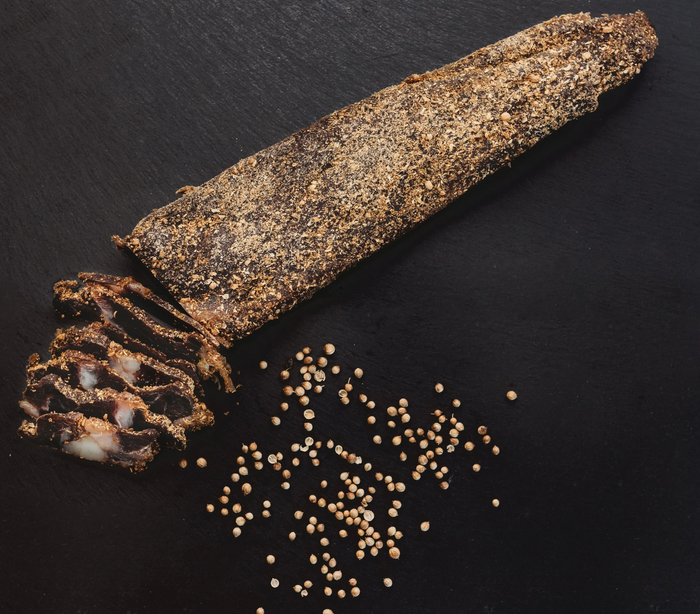
If you like the idea of making dried meat but want something less sweet, look at biltong. It is a different method, air-dried with vinegar and spices rather than cooked and glazed. Home biltong is not kosher unless the meat, salt, vinegar, spices and equipment all are, and that is exactly why a certified product exists. We cover it in how to make biltong at home, and when to buy instead. Our everyday bag is Sliced Biltong, and you can see every size and flavor on Buy Biltong Online.
Common mistakes
- Skipping the 160°F step. Drying alone is not a safe substitute. Heat first.
- Leaving fat on. Fat goes rancid and makes jerky taste stale within days.
- Marinating on the counter. Raw meat marinates in the refrigerator, always.
- Overcrowding the trays. Strips that touch dry unevenly and stay damp where they overlap.
- Bagging warm jerky. Cool it fully first, or it sweats.
- Treating it as shelf-stable forever. Home jerky is a one-to-two-month food, not a pantry staple.
The bottom line
Homemade beef jerky is simple in outline and unforgiving in the details. Slice lean, marinate cold, heat to 160°F, dry at 130 to 140°F, cool, and eat it within a couple of months. If you keep kosher, the beef, every ingredient and your equipment all need to be kosher, and any doubt goes to your rabbi. If that sounds like more than you want to take on, buying certified Glatt Kosher jerky is the shorter road.
Frequently Asked Questions
Do I have to heat the meat before drying it?
Yes. The USDA Meat and Poultry Hotline recommends heating beef to 160°F, and poultry to 165°F, before the dehydrating step. A dehydrator at 130 to 140°F may not kill bacteria on its own.
What temperature should my dehydrator be?
The USDA advises holding a constant 130 to 140°F during drying. It needs to be warm enough to dry the meat before it spoils, and the meat has to lose enough water that microorganisms cannot grow.
How long does homemade jerky last?
The USDA gives about one to two months for home-dried jerky. Commercially packaged jerky is made under controlled conditions and lasts much longer, up to about a year.
What cut of beef is best for jerky?
A lean cut, such as a round roast or flank steak, with all visible fat trimmed. Fat does not dry well and turns rancid quickly.
Can I make kosher beef jerky at home?
Yes, if the beef is kosher, every ingredient is certified kosher, and the equipment is kosher and kept separate from dairy. If you are unsure about a dehydrator or oven, ask your rabbi.
Can I use an oven instead of a dehydrator?
Yes, on its lowest setting, with the strips on racks and the door cracked for airflow. Heat the meat to 160°F first. Use a thermometer, because home ovens run uneven.
Is store-bought kosher jerky worth it?
If you want certification, consistency and a long shelf life without the work, yes. Our kosher jerky is certified Glatt Kosher and ships across the US, free on orders over $50.