Why Does Biltong Get Misunderstood? | Biltong FAQ
Biltong gets misunderstood because most people outside Southern Africa default to comparing it to beef jerky, and that comparison breaks down almost immediately. The word itself comes from the Dutch bil (rump) and tong (strip), so it names a specific cut and form of meat, not a general dried-meat category. That distinction gets lost the second someone picks up a piece and says, "Oh, it's like jerky." It's not.
Where to get it: Glatt Kosher biltong for sale, made in Florida and shipped anywhere in the US (free over $50).
The real difference is in how each product is made. Jerky is marinated and heat-dried. Biltong is cured in vinegar and spices, then air-dried, sometimes for 1 to 3 weeks depending on thickness and humidity. No oven, no dehydrator, no heat treatment at all. That's why you'll hear the food safety question come up: if it wasn't cooked, is it safe? The answer is yes, because the preservation here works through acid curing, specifically getting the pH below 4.6 through vinegar, combined with salt content. That mechanism meets established meat curing standards, but it looks nothing like what the USDA guidelines describe for heat-processed meat snacks. Regulatory systems in North America weren't built around this method, so unfamiliarity at the policy level filters down into consumer skepticism.
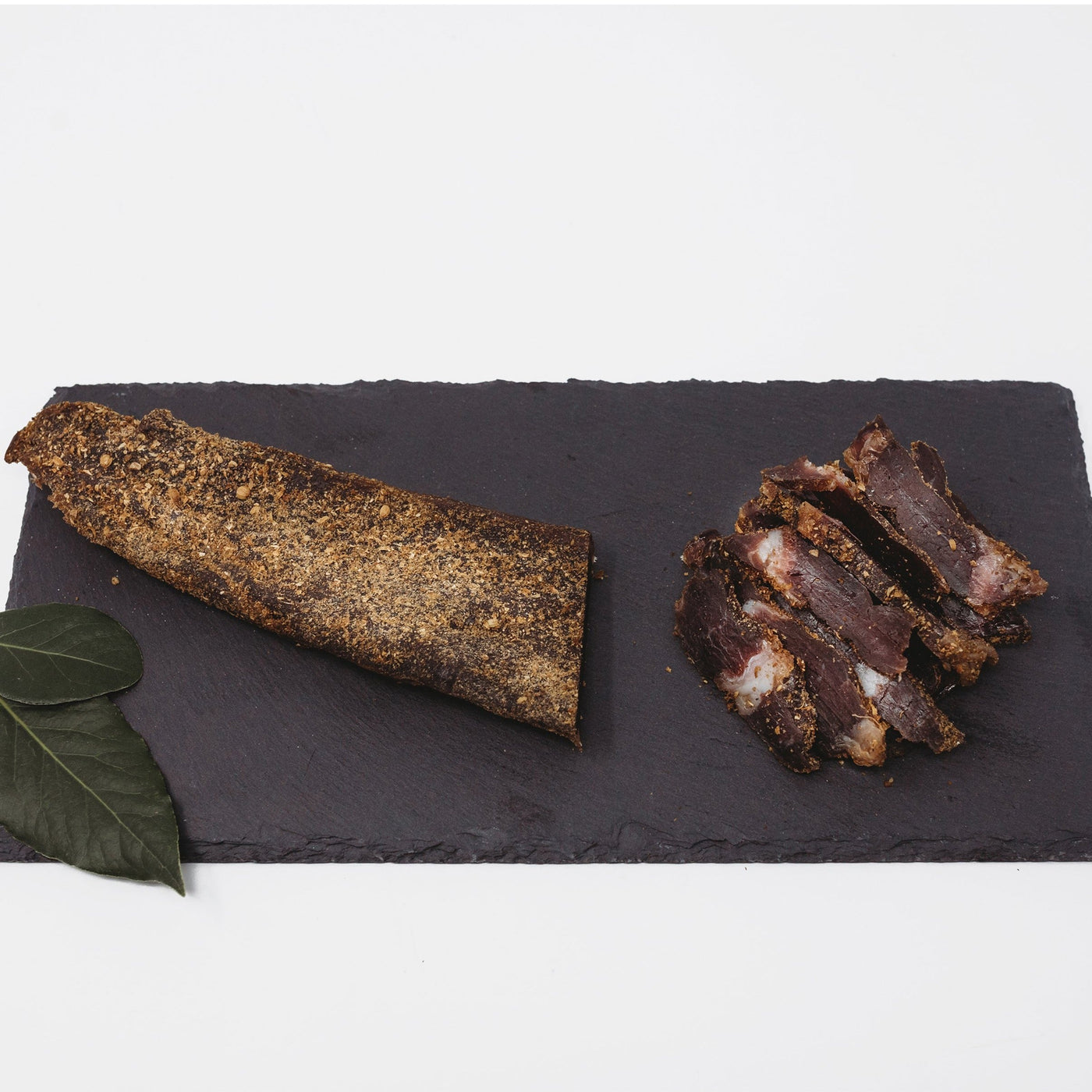
Then there's texture. Authentic biltong has a tender, moist chew. If you're expecting the dry, leathery pull of American jerky, biltong can actually feel underdone, like something went wrong in production. Nothing went wrong. That moist texture is the point, and it's a direct result of air-drying rather than heat-drying. The moisture content is intentional.
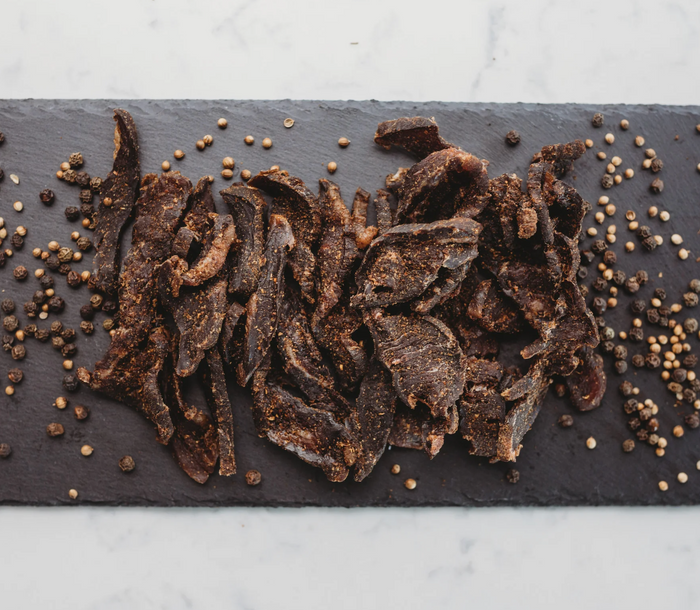
The spice profile adds another layer of unfamiliarity. Traditional biltong relies on coriander, black pepper, salt, and vinegar. Western dried meat snacks lean sweet or smoky. So even after you clear up the texture confusion, the flavor reads as unusual to someone who grew up on teriyaki or hickory-smoked sticks.
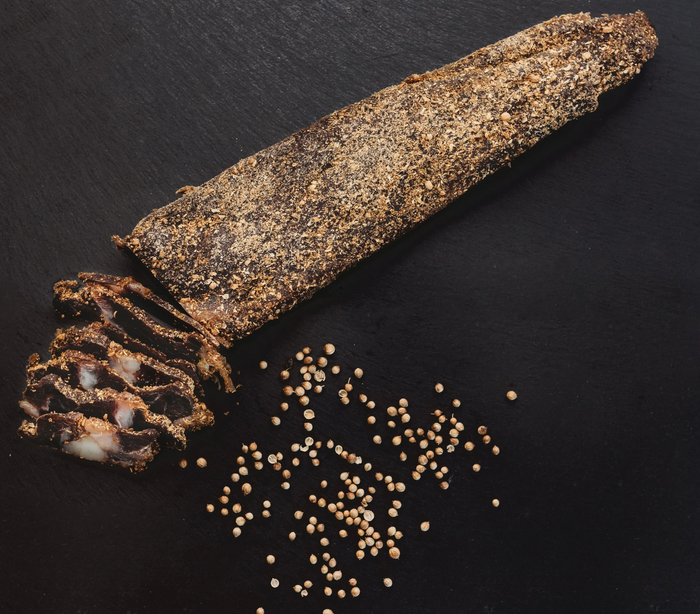
If you want to see exactly how biltong and jerky differ in practice, the breakdown of biltong vs. jerky preparation methods covers the process step by step. And if the texture or moisture level still has you guessing, trust your senses against what authentic biltong actually looks like in our sliced biltong and slab options, where you can see the product before you commit.