Beef Jerky Marinades: 6 Recipes, and the Kosher Traps in Each
A good jerky marinade balances salt, sweet, acid and spice, and every recipe below does. But most bottled ingredients in a jerky marinade (soy sauce, Worcestershire, teriyaki, liquid smoke, BBQ sauce) are exactly where a batch stops being Glatt Kosher, so each recipe comes with its kosher trap.
Related: Beef Jerky Seasonings: Blends That Work, and Kosher Checks for Each · How to Make Beef Jerky at Home (and What Changes If You Keep Kosher)
We make certified Glatt Kosher beef jerky and biltong in small batches in Florida, so we spend our days reading ingredient labels. If you keep a kosher kitchen, a marinade is not just a flavor question. Every bottle has to be certified, and one of the most popular ingredients has fish in it. Learn more about kosher biltong and what certification covers. The six recipes below are real and cookable, with quantities. We have also been honest about where homemade jerky is harder than it looks.
The ground rules for every marinade
These apply to all six recipes. Get them right and the flavor takes care of itself.
Start with the meat. Use lean beef from the round: eye of round, top round or bottom round. Fat does not dry well and turns rancid. Trim every visible edge of fat. For a kosher kitchen, the beef itself has to be kosher meat from a reliable source. A marinade cannot fix that.
Slice thin. About 1/4 inch. Partially freezing the beef for an hour or two makes slicing easier. Slice with the grain for a chewy, tearing jerky, or against the grain for a more tender bite. Pick one and be consistent, so everything dries at the same speed.
Marinate cold. Put the beef and marinade in a zip bag or a covered glass dish, in the refrigerator, for 6 to 24 hours. Less than 6 and the flavor stays on the surface. More than 24 and highly acidic or salty marinades make the meat mushy. Every recipe below makes enough for about 1.5 pounds of beef.
Throw the marinade away. It has had raw beef in it. Do not reuse it, do not boil it into a glaze, and do not baste with it.
Dry the beef, then dry it again. Pat the strips with paper towels before they go in the oven or dehydrator. Surface liquid slows drying and steams the meat instead.
Heat it to 160°F. Raw beef strips dried at a low temperature can stay warm without getting hot enough to kill bacteria. The conservative way is to bring the strips to 160°F with a meat thermometer, either in a hot oven for a few minutes before drying or by steaming them first. Then dry at 160 to 175°F for about 3 to 5 hours, until a strip bends and cracks without snapping in half. It will firm up as it cools. Check at the three-hour mark so you do not overshoot.
Store it carefully. Cool completely before bagging. Keep it in the refrigerator and eat it within about two weeks, or freeze it for longer. Homemade jerky does not have the commercial drying and packaging that makes store-bought bags shelf-stable.
Six jerky marinades, and the kosher trap in each
1. Classic soy and black pepper
The one everyone starts with.
- 1/2 cup soy sauce
- 2 tablespoons brown sugar
- 1 tablespoon cracked black pepper
- 1 tablespoon garlic powder
- 1 teaspoon onion powder
- 1 tablespoon apple cider vinegar
Whisk until the sugar dissolves. Marinate 8 to 12 hours.
The kosher trap: soy sauce. It is a fermented product made on shared equipment, and it needs reliable certification, not an assumption. Our short explainer on whether soy sauce is kosher for a jerky marinade walks through what to look for on the label. Check the vinegar and the spices too.
2. Hickory smoke and brown sugar
This is the closest thing to what most people picture when they say jerky. Sweet, smoky and a little sticky.
- 1/3 cup soy sauce
- 1/4 cup brown sugar, packed
- 2 tablespoons apple cider vinegar
- 1 tablespoon liquid hickory smoke
- 2 teaspoons garlic powder
- 1 teaspoon smoked paprika
- 1/2 teaspoon black pepper
Marinate 8 to 12 hours. Liquid smoke is strong, so measure it; more is not better.
The kosher trap: liquid smoke and the brown sugar. Liquid smoke is a processed flavoring, and flavorings are a classic hiding place for ingredients that are not certified. Buy a certified bottle. For comparison, our Hickory Kickory Dock flavor of Meat Candy is smoky hickory with the sweetness behind it, not in front.
3. Korean-style sweet and savory
Sweet, garlicky, with sesame and a bit of heat.
- 1/3 cup soy sauce
- 3 tablespoons brown sugar
- 2 tablespoons toasted sesame oil
- 4 cloves garlic, grated
- 1 tablespoon grated fresh ginger
- 1 tablespoon rice vinegar
- 1 teaspoon red pepper flakes
- 2 tablespoons sliced scallions
Marinate 12 to 24 hours. Press sesame seeds onto the strips before drying if you like.
The kosher trap: the shortcuts. Recipes like this often call for mirin (a rice wine), gochujang (a fermented chili paste) or a bottled bulgogi sauce. Wine-based products and fermented pastes carry extra kosher questions beyond a simple ingredient list. Skip them, or ask your rabbi before using them. The recipe above avoids all three.
4. Sweet and spicy honey-chili
For people who want heat with something to take the edge off.
- 1/3 cup soy sauce
- 1/4 cup honey
- 2 tablespoons hot sauce
- 1 tablespoon apple cider vinegar
- 2 teaspoons chili powder
- 1 teaspoon garlic powder
- 1/2 teaspoon cayenne
Marinate 8 to 12 hours. Honey burns more easily than sugar, so check the oven early.
The kosher trap: hot sauce. Many are simple peppers, vinegar and salt, but some contain flavorings or are made on shared equipment. Check the bottle for certification. Chili powder blends are another place for unlisted extras.
5. Garlic, lime and cracked pepper
No soy and no sugar to speak of. Bright, sharp and good with a cold drink.
- 1/4 cup fresh lime juice (about 2 limes)
- 2 tablespoons olive oil
- 2 tablespoons coarse salt
- 6 cloves garlic, minced
- 1 tablespoon cracked black pepper
- 1 tablespoon ground coriander
- 1 teaspoon ground cumin
Marinate no more than 8 hours. The acid will start to cook the surface of the beef, so stay on the short side of the window. This one shows up as the most forgiving of the six for a kosher kitchen because the ingredient list is short.
The kosher trap: fewer here, but not zero. Spices and spice blends can contain anti-caking agents and carriers. Use single-ingredient spices that are certified, and your own fresh limes and garlic.
6. Worcestershire-free "steakhouse" marinade
The tangy, savory, dark marinade most recipes build on Worcestershire sauce, rebuilt without it.
- 1/3 cup soy sauce
- 2 tablespoons apple cider vinegar
- 1 tablespoon molasses
- 1 tablespoon tomato paste
- 1 teaspoon onion powder
- 1 teaspoon garlic powder
- 1 teaspoon mustard powder
- 1/2 teaspoon black pepper
- Pinch of ground cloves
Marinate 8 to 12 hours.
The kosher trap is the one you are avoiding. Standard Worcestershire sauce contains anchovies, and fish is traditionally not cooked or eaten together with meat. That is why most Worcestershire-based jerky is not kosher, and why this recipe leaves it out. We cover the whole story in why Worcestershire sauce makes most jerky not kosher. A certified Worcestershire may exist, but check the label rather than guess.
What a certification covers that a recipe cannot
Every recipe above can be made with certified bottles and kosher beef. That makes the ingredients kosher. It does not automatically make the finished batch what a Glatt Kosher product is.
Questions a home cook has to answer on their own: Is the oven or dehydrator used only for meat? Was it cleaned properly if it was not? Were the spices certified, not just "natural"? Who is the authority if a question comes up in your kitchen? These are real questions, and the right answer is often "ask your rabbi." For anything contested, that is what we say too.
A certified Glatt Kosher product answers them for you before the bag is sealed: the beef, every ingredient and the equipment are supervised, start to finish. That is the practical difference. It is also why we do not suggest a home batch as a replacement for a certified one. It is a fun project, and a good one if you enjoy it. It is not a shortcut to certified.
When not to make jerky at home
Be honest with yourself about the trade-off. Homemade jerky is a weekend project with a real learning curve. A batch takes a day of marinating plus several hours of drying, and the first one often comes out too dry or too soft. You also get a short shelf life compared to a sealed bag.
If you want jerky to bring on a flight, to pack in a lunchbox or to keep in a drawer for a month, buying it is the better option. If you want to understand what is in your food, or you want a flavor nobody sells, making it is great.
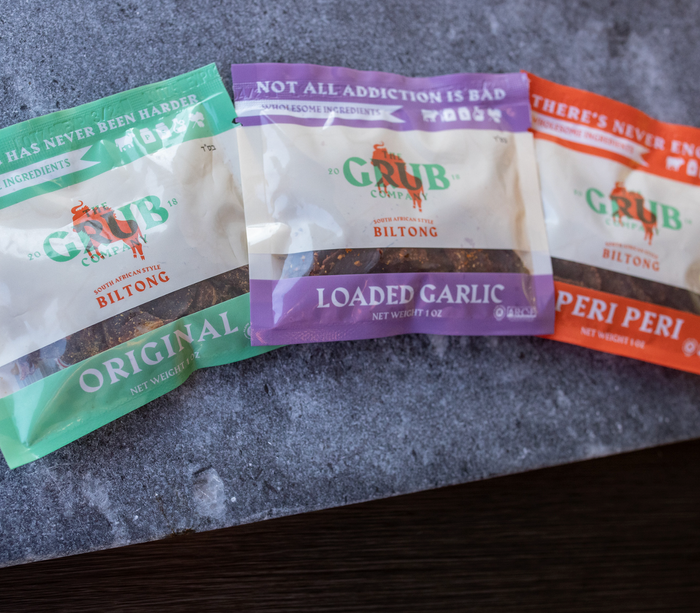
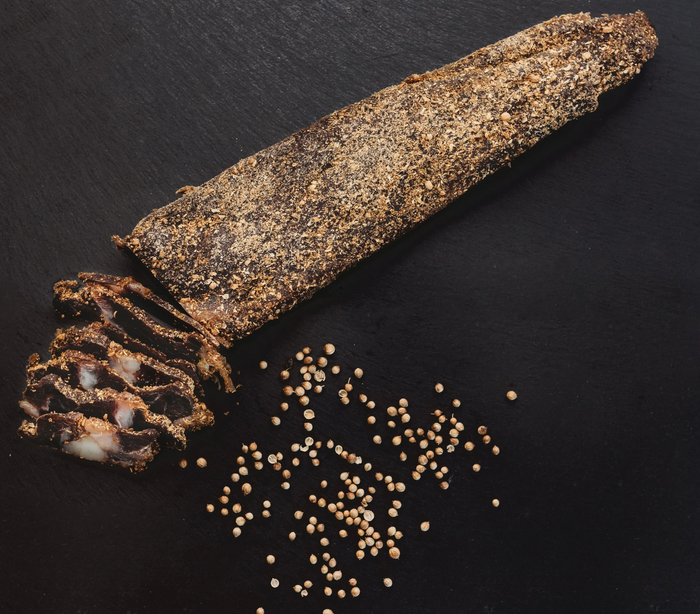
And if you are somewhere between those two, try biltong. It is a different method entirely: air-dried instead of cooked, savory instead of sweet, and typically a vinegar-and-spice cure rather than a marinade. Our biltong versus beef jerky comparison explains the difference. Biltong is the wrong pick if you want the sticky, sweet, glazed bite of a classic jerky. It is the right pick if you want something savory that needs no refrigeration. You can see everything we make on Buy Biltong Online, and our full kosher beef jerky collection has the sweeter side of the shelf. US orders over $50 ship free.
Bottom line
A great jerky marinade is salt, sugar, acid and spice in balance. A great kosher one adds a fifth step: read every label, skip the Worcestershire, and treat a home batch as a project, not a substitute for certification. Pick one of the six, make a half batch first, and adjust the sweetness to your taste.
Frequently Asked Questions
How long should I marinate beef jerky?
Between 6 and 24 hours in the refrigerator. Salty or acidic marinades, like the lime recipe, belong at the short end, no more than 8 hours. Sweeter soy-based marinades do well at 12 hours or overnight. Longer than 24 hours can leave the meat mushy.
What is the best cut of beef for jerky?
Lean cuts from the round: eye of round, top round or bottom round. They have little fat, which dries cleanly and keeps longer. Trim any visible fat before slicing. Freeze the meat for an hour or two first so you can cut even strips about 1/4 inch thick.
Is Worcestershire sauce kosher in a jerky marinade?
Standard Worcestershire contains anchovies, and fish is traditionally not combined with meat, so it is a common reason jerky is not kosher. Look for a certified product and read the label, or use the Worcestershire-free recipe above. Our article on Worcestershire and kosher jerky goes deeper.
Is soy sauce kosher?
Soy sauce is made by fermentation, often on shared equipment, so it should carry reliable certification. Do not assume a bottle is fine because the ingredient list looks simple. See is soy sauce kosher for jerky for what to check.
Do I need a dehydrator to make jerky?
No. A home oven set to its lowest temperature works. Lay the strips on a wire rack over a baking sheet and prop the door open slightly with a wooden spoon so moisture can escape. Use a thermometer to confirm the beef reached 160°F, then dry until the strips bend and crack without snapping.
How long does homemade jerky last?
Plan on about two weeks in the refrigerator in an airtight container, or freeze it for longer. It does not have the commercial drying and sealing of a store-bought bag, so keep it cold, and throw out anything that smells off or shows any mold.
Can I make kosher biltong at home the same way?
Biltong is cured and air-dried, not marinated and baked, and it uses a different process. Home biltong is not kosher unless the meat, salt, vinegar, spices and equipment are, and that is exactly why a certified product exists. If you want it kosher without the project, try our Sliced Biltong, which is ready to eat from the bag.