Kosher for Passover Snacks: What to Check Before You Buy
A snack is kosher for Passover only if its own package says so, with a Passover certification printed on it. A regular kosher mark, a "gluten-free" label, or even "Glatt Kosher" on a bag of meat snacks is not enough.
Related: The Passover Seder Meal: Meat Dishes, Timing and What to Plan Ahead
We make certified Glatt Kosher biltong and beef jerky, and this is the question we get most often in the weeks before Pesach. So here is the plain answer, then the checklist we would use ourselves. Grub is certified Glatt Kosher for the rest of the year. Our biltong and jerky are certified Glatt Kosher for year-round use. Unless a bag carries a Passover certification, do not count on it for the holiday. We would rather say that here than have you find out at the seder.
Why "kosher" and "kosher for Passover" are two different things
Kosher year-round means the ingredients, the equipment and the process meet kashrus standards. Kosher for Passover adds a second layer. The food must also be free of chametz: wheat, barley, rye, oats and related grains that have come into contact with water and been allowed to rise or ferment. That standard reaches much further than the obvious breads and crackers.
Chametz hides in places that are easy to miss:
- Malt and malt extract, which come from barley.
- Grain-based vinegar and grain alcohol.
- Starches, thickeners and "natural flavors" with a grain source.
- Soy sauce and many marinades, which often contain wheat.
- Oils and sprays on shared production lines.
That is why a product can be perfectly kosher in April and still be wrong in the week of Pesach. Nothing about the beef or the spices is the issue. The question is whether the whole chain, from ingredient to equipment to packing, was supervised for Passover. Most year-round production is not.
What to check on the package
Do this in the store, before the item goes in the cart.
- Find the Passover wording. Look for "Kosher for Passover" or the Passover version of the certifier's symbol. A plain kosher symbol with no Passover wording is the year-round mark.
- Check that the label is on this package. A brand's website, or the same product in a different flavor, does not count. Certification is often granted flavor by flavor and run by run.
- Read the ingredients anyway. A Passover mark settles chametz. It does not settle your family's custom on kitniyot, covered below.
- Look at the date or season marking. Many Passover runs are labeled for that year. An old box from last spring is worth a second look.
- Be suspicious of loose claims. "Gluten-free," "no wheat" and "kosher-style" are not Passover certifications. Gluten-free oats, for example, are still oats.
- Treat a missing label as a no. If you cannot find it, the answer is not "probably."
For meat products, add one more step: confirm that the Passover certification covers the meat item itself, not only the brand's matzah or sweets. Our explainer on whether kosher jerky is kosher for Passover walks through the jerky version of this in detail.
Kitniyot: where your family's custom decides
Kitniyot are rice, corn, beans, lentils, peas and, in many communities, seeds such as sesame and sunflower. Many Ashkenazi families avoid them on Passover. Many Sephardi families eat them. Some communities now permit them with conditions. We are not going to tell you which one applies to you.
What we can say is practical. Corn syrup, soy lecithin, peanut oil and sesame all turn up in snack ingredient lists. If your family avoids kitniyot, a Passover mark alone may not be enough, because some certified products are made for kitniyot-eating households. Read the list. If you are unsure what your custom allows for a given ingredient, ask your rabbi.
What actually makes a good Passover snack
The simplest snacks are the ones with the shortest ingredient lists. Fresh and dried fruit, raw vegetables, eggs and plain nuts need the least checking, though even packaged nuts and dried fruit should carry a Passover mark because of shared equipment and added oils.
After that, buy by category, and only with the label in hand:
- Potato chips and similar snacks. Look for versions made with Passover-approved oil, labeled for the holiday.
- Chocolate and candy. Read for grain-derived ingredients, and look for a Passover mark on this exact bar or bag.
- Macaroons and nut-based sweets. These are the classic Passover choice, and the label still matters.
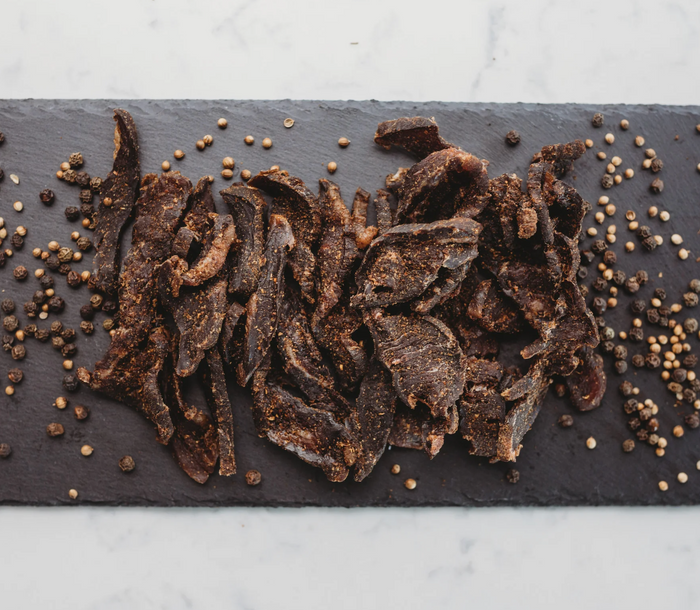
- Meat snacks. If you want protein, find a jerky or dried meat with its own Passover certification printed on the bag. Marinades are where most of them fail, because soy sauce and malt show up there.
- Anything for kids' lunchboxes or travel. Pack less, label what is allowed, and bring more than you think you need. It is easy to run out of options on the road.
If you are traveling for the holiday, our piece on food that needs no kitchen covers the packing logic. The same thinking applies to Pesach, as long as every item has its own Passover label.
Mistakes people make in the snack aisle
Most Passover snack errors are not exotic. They are the same few, every year.
Trusting last year's favorite. A brand you bought for Pesach before may not have run the same product this year. Recipes change, suppliers change, and certification is renewed rather than permanent. Check again.
Assuming the store shelf is sorted. Seasonal Passover aisles are helpful, but regular snacks get shelved next to them. Pick up the package and read it. The aisle sign is not a certification.
Buying the family-size bag of something new. If you have not checked a product before, buy the smallest size and show it to your rabbi or check it with your usual source before you stock up for the whole week.
Forgetting the wrapper. Individually wrapped snacks are sometimes sold in a Passover-marked outer box with inner wrappers that carry nothing. That is usually fine, but if you split a box up for lunches, keep the part of the box with the mark so you still know what you are holding.
Mixing up the leftover pantry. If chametz snacks are still in the house, they are a problem for the whole home, not just the kitchen. Plan your own custom for selling, storing or finishing them before the holiday, and ask your rabbi how that applies to your pantry.
A simple way to shop ahead
Passover shopping goes better when you make a short list first. Think about who is eating and when.
- Lunchboxes and work bags. A few shelf-stable items that need no preparation. Fruit, nuts with a Passover mark, and a sweet.
- The seder and chol hamoed days. Snacks for guests and kids who get restless between the courses. Keep them simple and visible.
- Travel. Pack more than you think you will eat, in sealed bags, with the labels still attached.
- Shabbos during Pesach. If Shabbos falls in the middle of the holiday, snacks that need no cooking and no refrigeration are especially useful.
Buy early. Passover-certified snacks sell out, and the best ones tend to go first. If the one you wanted is gone, do not substitute a similar-looking item from the regular shelf. Choose another certified one, or go without. A plain bowl of fresh fruit is always the safe fallback.
Where Grub fits, honestly
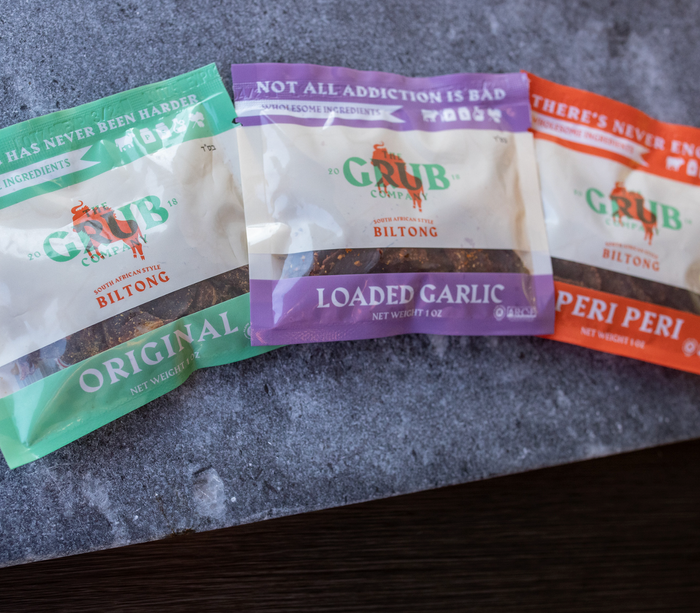
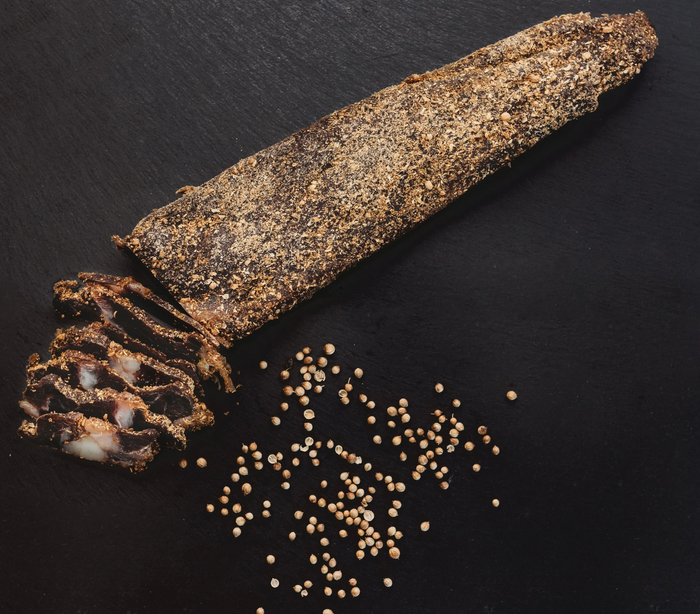
Grub is the wrong pick for Passover week. Our Sliced Biltong is grass-fed beef with spices, salt and vinegar, and our Meat Candy is a sweeter, glazed jerky. Both are certified Glatt Kosher, and neither is something we claim is kosher for Passover. Vinegar, sugar and the marinade are exactly the kind of ingredients that need Passover-specific supervision, and we do not offer that.
Here is where we are the right answer. Passover ends, and a bag of biltong needs no refrigeration, no kitchen and no prep. It is a very good thing to have in the house the first night the chametz is back. If you want to see what a shelf of kosher meat snacks looks like, start with our kosher beef jerky collection, or browse everything on Buy Biltong Online. US orders over $50 ship free.
The bottom line
Kosher for Passover means the package says it, in Passover wording, on this exact product. A year-round kosher mark is not the same thing. Check the label, read the ingredients, apply your family's custom on kitniyot, and ask your rabbi when anything is unclear. Then buy the snacks that pass, and save the rest for after the holiday.
Frequently Asked Questions
Is all kosher food kosher for Passover?
No. Most kosher food is only certified for year-round use. Passover has an additional rule against chametz, so a product needs its own Passover certification, and the label has to say so on that package.
Is a gluten-free snack automatically kosher for Passover?
No. Gluten-free is a health and labeling category. Passover certification is a supervision standard. A gluten-free product can still contain grain-derived ingredients or be made on shared equipment, so look for the Passover mark itself.
Is Grub biltong or Meat Candy kosher for Passover?
No. Both are certified Glatt Kosher for year-round use, and we do not sell either as kosher for Passover. Please do not use them for the holiday. They are a good choice once Passover is over.
What are kitniyot, and do I have to avoid them?
Kitniyot are rice, corn, beans, lentils and, in some communities, seeds. Many Ashkenazi families avoid them on Passover and many Sephardi families do not. Follow your family's custom, and ask your rabbi if you are unsure.
Can I rely on a product's Passover certification from last year?
Be careful. Passover certification is often given for a specific production run. Check the package in your hand, not a past purchase, and look for a Passover mark on that exact product.
How do I check a jerky or dried meat for Passover?
Look for the Passover certification printed on the bag, then read the ingredients for soy sauce, malt, grain vinegar and other grain-derived marinade ingredients. If the bag only has a year-round kosher mark, it is not a Passover item.
What should I do if the label is unclear?
Leave it on the shelf, or ask your rabbi. With Passover, a clear label is the only thing worth trusting, and not buying something costs you far less than the alternative.