The Passover Seder Meal: Meat Dishes, Timing and What to Plan Ahead
The Seder meal is the festive dinner in the middle of the Seder, after the matzah and the bitter herbs and before the afikoman. Build it around one slow-cooked meat dish you can make a day ahead, plan the clock around the Seder, not around dinner, and buy everything with a Pesach certification. We are a certified Glatt Kosher beef snack maker, so we write this as people who cook and eat on Pesach too, and we will be plain about where our own products do and do not fit.
Where the meal sits in the Seder
New hosts often get the timing wrong, because the "meal" is not the start of the evening. It comes late.
The Seder runs in a fixed order. You begin with Kiddush and the first cup of wine. You wash, dip the karpas, break the middle matzah and tell the story of the Exodus in the Haggadah. Then you wash again, bless and eat the matzah, eat the maror (bitter herb), and make the Hillel sandwich. Only after all of that does the meal begin. After the meal comes the afikoman, grace after meals, the third and fourth cups and the closing songs.
What that means for the cook: your guests will be sitting at the table for a long time before they see any food beyond the Seder plate. Many families serve a first course at the start of the meal, often hard-boiled eggs in salt water, then soup, then the main. Plan for the main to hit the table well into the night. How long the telling takes varies enormously from one family to the next, so build in room.
- Do not plan a dinner time. Plan a hold time. Everything on the stove or in the oven has to survive being ready an hour or two before anyone eats it.
- Choose dishes that hold. Braises hold beautifully. Pan-fried cutlets do not.
- Keep the first hour light. Guests are hungry and the telling is long. Karpas, matzah and the Seder plate are not a meal, so put out nothing else that spoils the appetite for the real one.
Two things are for your rabbi, not for this page: how late into the night the afikoman may be eaten, and what you may cook or reheat once Yom Tov has started. The rules for the festival day are specific. Ask before the holiday, not on it.
The main dish: brisket, and why it works
Brisket is the most searched Passover meat dish for good reason. It is cheap by the pound for a feast. It needs hours of low heat and no attention. It tastes better the next day. And it feeds a crowd.
The honest trade-off: brisket is a commitment. You are buying a large cut, you need oven space for three hours or more, and it is easy to dry out. If your oven is already full with other dishes, or you are cooking for four, a roast chicken is the better call.
A simple Pesach brisket
This serves 8 to 10. Check that every packaged ingredient has a Pesach certification: the broth, the tomato paste and the wine. Potato starch is a common Pesach thickener if you want a thicker sauce.
- 1 brisket, about 5 pounds
- 2 tablespoons oil
- 1 tablespoon kosher salt
- 1 teaspoon black pepper
- 1 teaspoon paprika
- 3 large onions, sliced
- 4 carrots, cut in chunks
- 4 cloves garlic, chopped
- 2 tablespoons tomato paste
- 1 cup dry red wine
- 1 cup beef broth
- Heat the oven to 325°F.
- Rub the brisket with the salt, pepper and paprika.
- Heat the oil in a large roasting pan on the stove. Sear the brisket about 5 minutes per side until browned. Move it to a plate.
- In the same pan, cook the onions for about 10 minutes until soft. Add the garlic and tomato paste and stir for a minute.
- Pour in the wine and broth and scrape up the browned bits. Put the brisket back, fat side up, and add the carrots around it.
- Cover tightly with foil or a lid. Roast for 3 to 3 1/2 hours, until a fork slides in with almost no resistance.
- Rest it for 30 minutes. Slice against the grain, then lay the slices back in the sauce.
The one step that matters most is the last one. Slice the meat cold if you can. Make it the day before, refrigerate it in its sauce, slice it the next day and rewarm it covered at 300°F until hot through. Cold brisket slices cleanly. Hot brisket shreds. Rewarming on the day also solves your timing problem, because the dish is finished before the Seder starts.
Other meat dishes worth making
You do not need a brisket. These are the other dishes that show up on Seder tables and why.
- Roast chicken. The safe choice. One 4-pound chicken serves about four people, so cook two for a table of eight. Rub it with oil, salt, pepper and paprika, put lemon and onion in the cavity and roast at 425°F until the thickest part of the thigh reaches 165°F. Rest it 15 minutes.
- Chicken soup. The traditional opening of the meal, with matzah balls or on its own. It is also the easiest thing to make days in advance, and it freezes well.
- Braised short ribs or flanken. The same method as the brisket, at a smaller scale and with a shorter cook. Good if you are hosting six or fewer.
- Roasted vegetables and potatoes. Not meat, but they share the oven with the meat and they are what most of the table actually fills up on.
A note on the Seder plate: the roasted bone on it is a symbol, not a course. Families differ on what they use and whether it is eaten, so follow your own family's custom or ask your rabbi.
What to plan ahead
Most Pesach stress comes from things that should have been done two weeks earlier.
- Order the meat early. Brisket and holiday poultry sell out and prices climb as the holiday gets close. Ask your butcher what they will have and when.
- Check the Pesach certification on every packaged item. That means the broth, the wine, the tomato paste, the spices and the oil. A regular year-round kosher mark is not the same thing.
- Know your family's custom on kitniyot. Whether rice, corn, beans and similar foods are eaten on Pesach depends on your community. This is a question for your rabbi or your family, not a general rule.
- Cook ahead and freeze. Soup, brisket and desserts all do well. Label everything.
- Count the oven. Write down every dish, its temperature and its time. A brisket at 325°F and a chicken at 425°F do not share a rack comfortably.
- Keep meat and dairy separate, as you do all year. If dessert is dairy, plan the wait between meat and dairy according to your family's custom.
Where our snacks fit, and where they don't
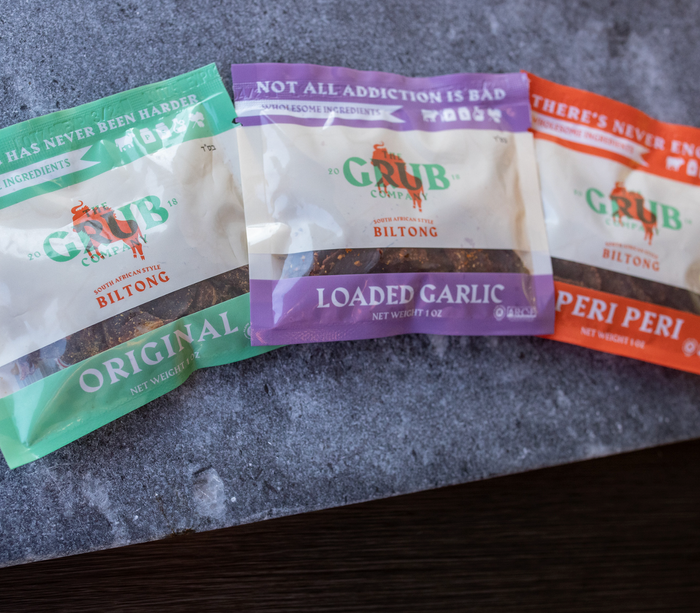
Our biltong and Meat Candy are not a Seder food, and we do not sell them as kosher for Passover. If you are wondering, we answered it directly in Is Kosher Jerky Kosher for Passover?. Check any product's label for a Pesach certification before you bring it into a Pesach kitchen. Do not assume.
Where they do help is in the weeks around it. The days before the holiday are a scramble of cooking and cleaning, and a bag of Sliced Biltong is a ready-to-eat protein snack that needs no kitchen, no plate and no refrigeration. After the holiday, when the first bread of the year comes back, Meat Candy is the sweeter, jerky side of the shelf. It uses a glaze, so read the label if you are watching ingredients.
Everything we make is certified Glatt Kosher. If you want to see the full line, browse our kosher beef jerky or see every flavor and size on Buy Biltong Online. US orders over $50 ship free. For the other holiday meals where you want food that needs no cooking, our guide to Shabbos and Yom Tov food that needs no kitchen covers it.
The bottom line
Pick one main you can finish the day before. Brisket if you are feeding a crowd, roast chicken if you are not. Plan the evening around when the Seder gets to the meal, not when you want to eat. Check every package for a Pesach certification, and ask your rabbi about anything that is a matter of custom.
Frequently Asked Questions
What is the Seder meal?
It is the festive dinner in the middle of the Seder, called Shulchan Orech. It comes after the maror and the Hillel sandwich, and before the afikoman and grace after meals.
What meat do you serve at a Passover Seder?
Brisket and roast chicken are the two most common. Chicken soup usually opens the meal. Short ribs, flanken and roast turkey also show up. Any of them works, as long as the meat is kosher and every other ingredient has a Pesach certification.
How far ahead can I make Passover brisket?
The day before is best. Cook it, cool it in its sauce, refrigerate it, slice it cold and rewarm it covered. It slices cleaner and the flavor is better. You can also freeze it in its sauce well before the holiday.
How long does the Seder take before we eat?
It varies by family. The telling of the story and the first several steps come before the meal, so many tables do not eat the main course until well into the evening. Plan for food that holds for an hour or two.
Do I need a Pesach certification on everything?
For packaged and processed foods, yes. Look for a certification that specifically says kosher for Passover. A year-round kosher mark on its own is not enough. Fresh meat and plain fresh vegetables are different, so ask your rabbi if you are unsure about a particular item.
Are Grub biltong and Meat Candy kosher for Passover?
We do not sell them as kosher for Passover. They are certified Glatt Kosher year-round. If you want to eat them around the holiday, enjoy them before it starts or after it ends, and check the label of anything you bring into a Pesach kitchen.
Can I use dairy in a Seder meat meal?
Keep meat and dairy separate, as you do all year. Do not cook meat in dairy or serve them together. If dessert is dairy, wait between the meat and the dairy according to your family's custom.