Biltong Shelf Life: How Long Does an Opened Bag Really Last
Unopened versus opened, the real difference
Unopened biltong is shelf-stable, which means the air-drying and vinegar cure already did most of the preservation work before the bag ever left our warehouse. Once you break the seal, the clock starts moving differently. Air and moisture start getting in every time you open the bag, and that's the real trigger for how long it stays good, not some fixed number printed on the label. A bag left open on a counter is a different situation than one resealed tightly after every use.
Ready to try it? Buy Glatt Kosher biltong online. Made in Florida, free US shipping on orders over $50.
What actually shortens shelf life once it's open
Air exposure is the main thing working against you. Every time the bag sits open, moisture from the air gets reintroduced to meat that was dried specifically to keep moisture out, and that's what eventually leads to a change in texture or flavor. Heat speeds this up too, so a bag sitting near a stove or in a hot car works against you faster than one kept in a cabinet at normal room temperature. Treat biltong the way you'd treat other dried meat snacks: keep it sealed, keep it cool, and don't leave it open longer than it takes to grab a handful.
How to stretch it
Press the air out and reseal the bag tight after every use, or transfer what's left into an airtight container if the original seal isn't holding up anymore. Refrigeration extends things further than counter storage, and freezing extends it further still, both of which are options if you know a bag is going to sit for a while before you finish it. None of this requires anything fancy. It's the same logic you'd apply to any dried meat snack that doesn't have preservatives doing extra work for it.
How to tell if a bag has gone past its window
Trust your senses here more than a fixed timeline. If the smell is off, if you see any mold, or if the texture has gone slimy instead of just a little softer, that bag is done. Biltong naturally gets slightly firmer over time as it continues to lose moisture, and that's normal, not a sign of spoilage. A sour, off smell or visible mold is a different thing entirely and means it's time to toss it, no debate needed.
Buying in a way that matches how you'll actually eat it
If you go through biltong slowly, smaller bags like the Sliced Biltong Mini's keep you from opening and resealing a big bag over and over, which cuts down on air exposure overall. If you eat through it fast or you're stocking up, the Bulk Biltong 1 lb bag or Biltong Slabs make more sense, especially if you're going to portion some of it into the freezer anyway.
Frequently Asked Questions
How should I store an opened bag of biltong day to day?
Push the air out, reseal it tightly, and keep it somewhere cool and dry, like a pantry or cabinet away from the stove. If you're not going through it quickly, moving it to the fridge extends things further, and it's a good move if your kitchen runs warm. A clip or a resealable zip top works fine, the main goal is just cutting down how much air gets back in every time you reach for a piece.
Does biltong need to be refrigerated after opening?
Not strictly, if you're finishing the bag within a reasonable window and keeping it sealed between snacking. Refrigeration isn't required the way it is for fresh meat, but it does buy you extra time, so it's a smart move if you know the bag is going to sit around a while.
What does spoiled biltong actually look or smell like?
You're looking for mold, a sour or off smell, or a slimy texture instead of the expected firm, dry chew. Biltong naturally gets a bit firmer as moisture continues to leave it over time, which is normal and not the same thing as spoilage. If any of those signs show up, don't try to salvage the bag, just toss it and move on to a fresh one.
Does the flavor, like Peri Peri or Loaded Garlic, affect how long it lasts?
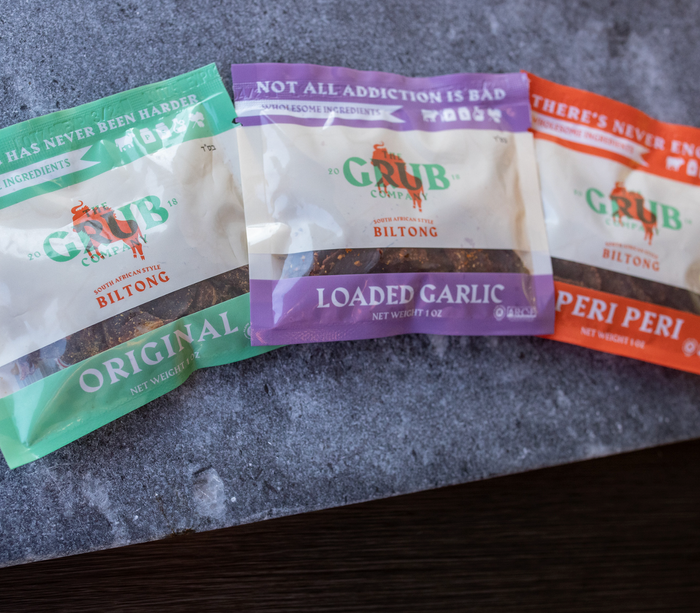
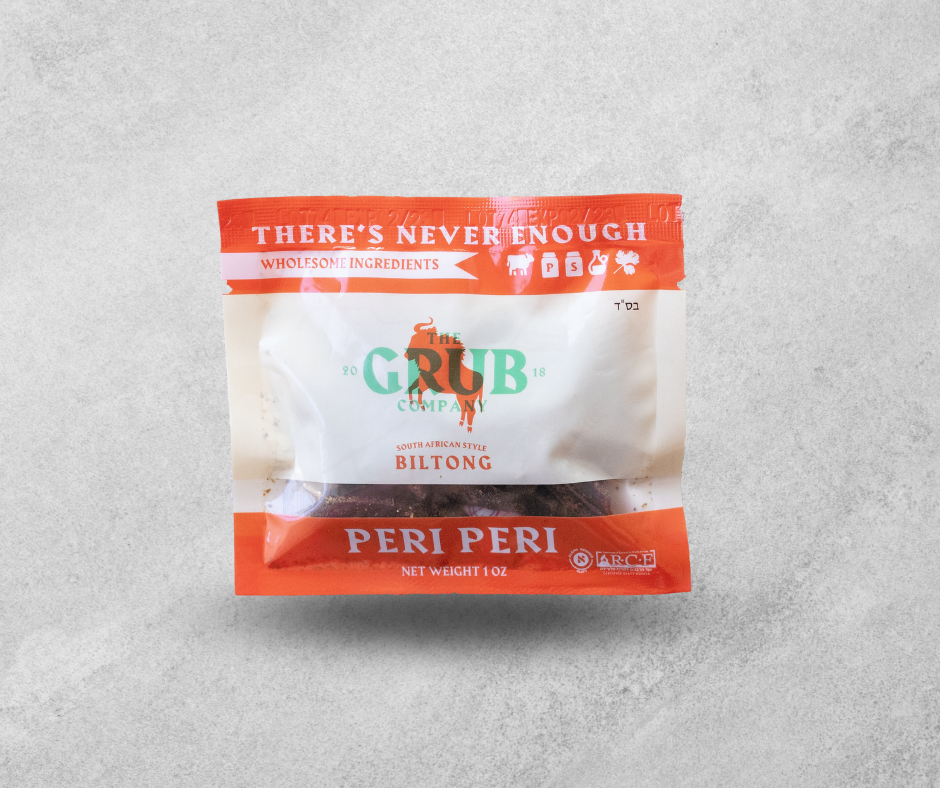
Not meaningfully. Shelf life comes down to moisture and air exposure more than which spice blend is on the meat. All three flavors, Original, Peri Peri, and Loaded Garlic, follow the same air-dry vinegar cure, so they behave about the same once a bag is opened. How you store the bag after opening matters far more than which flavor is inside it.
Is it normal for biltong to get harder the longer the bag stays open?
Yes. Biltong keeps losing a small amount of moisture over time even in a resealed bag, so a slightly firmer chew after a couple of weeks is expected and not a problem. That's different from the texture changes that come with actual spoilage, which show up as sliminess, not extra firmness.
Can I still eat biltong that's a bit past when I expected to finish it?
If it still smells right, looks right, and the texture is just firmer than usual with no sliminess or mold, it's generally fine to eat. Use your senses as the real test rather than a specific date, since biltong doesn't spoil the same way fresh meat does. A firmer chew after a few extra weeks isn't a red flag on its own, it's just moisture continuing to leave the meat.
Shelf life starts with how the bag was sealed in the first place. Ours go out sealed with an oxygen absorber, which is what makes three to six months honest rather than optimistic — formats, sizes and how it ships.