Can Biltong Make You Sick? What Makes It Safe and When to Throw It Out
Properly made and properly stored biltong is a safe, ready-to-eat food, but like any food it can make you sick if it was made badly, stored wet or left to go moldy. The safe path is a trusted maker, a dry bag, and a firm rule: if it looks, smells or feels wrong, throw it out. We make certified Glatt Kosher biltong, and this is the plain version of how we think about it.
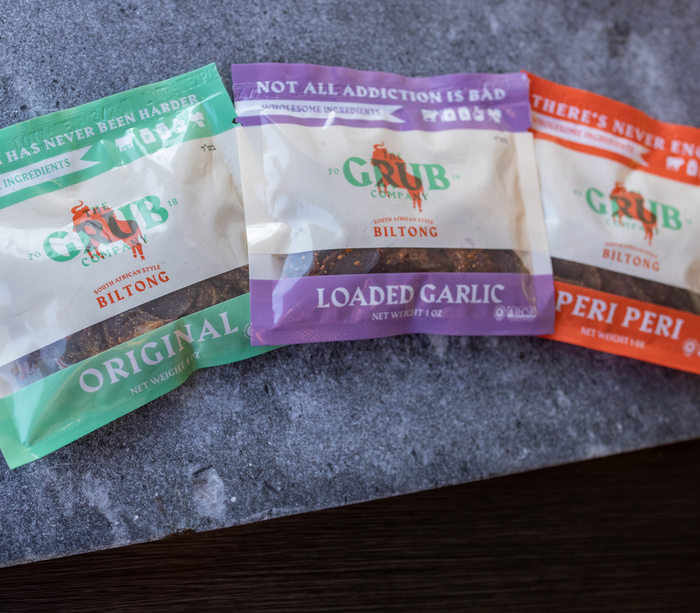
Everything we make at Grub is certified Glatt Kosher, air-dried in small batches in Florida from grass-fed beef. People ask whether raw-looking, air-dried meat can be risky. It is a fair question. This guide explains why biltong is normally safe, the real ways it can go wrong, what to watch for, and when a doctor's advice matters more than ours.
Why biltong is eaten without cooking
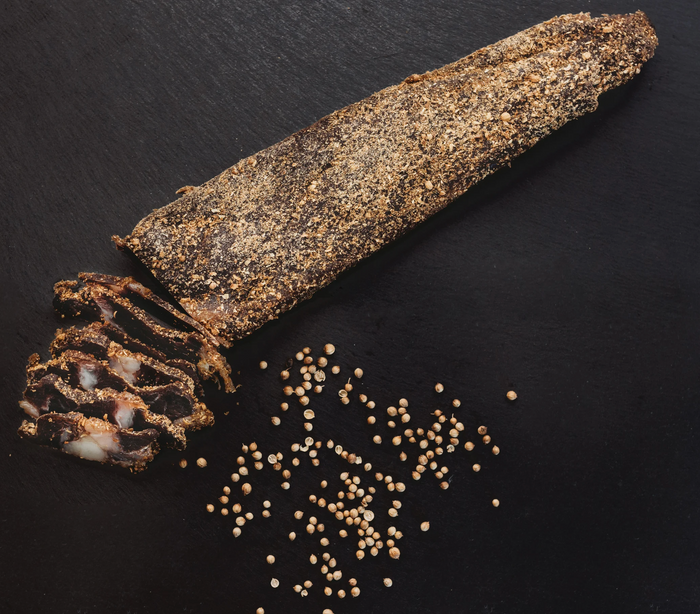
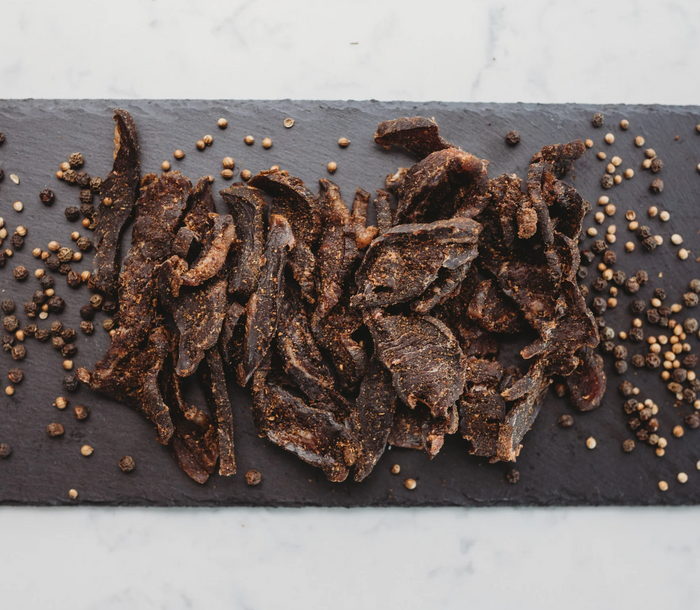
Biltong looks raw to people who have never had it. It is not raw in the sense of fresh meat. It is cured and dried. The beef is salted, spiced, treated with vinegar and then dried for days with air moving across it. Each step makes the meat harder for spoilage organisms to live in.
- Salt draws water out and makes the surface unfriendly to bacteria.
- Vinegar adds acid, which also works against microbes.
- Drying removes much of the water that bacteria and mold need.
Together, those steps are why a closed bag sits happily on a shelf. We explain the mechanism in more depth in our guide on whether biltong is safe to eat. The key point for this article: the safety comes from the process and from keeping the product dry. Lose either, and the protection weakens.
How biltong can go wrong
Being honest about the risks is the point of this piece. Here are the realistic ways biltong makes someone sick, in order of how likely they are.
It was made badly. This is the biggest one, and it mostly applies to meat from unknown sources. Dried meat is only as safe as the meat that went in and the care taken in drying it. Poor hygiene, meat that was not fresh, a drying space that was too humid or too warm, or a rushed process can all leave a product that is not properly protected. This is why who made the biltong matters more than the style of biltong.
It got wet after it was made. A properly dried piece that sits in a sealed bag with condensation, or that goes into a damp container, can start to grow mold. This is the most common home problem. It is a storage mistake, not a recipe mistake.
It was stored hot. A bag left in a hot car or in direct sun can sweat inside, and sweat is water. Warmth also speeds up everything that can go wrong.
It was old. Anything left long enough gets stale, and fat can turn rancid. Stale is unpleasant. It is not always dangerous, but it tells you the bag has not been looked after.
Notice what is missing from that list: a well-made, sealed, dry bag opened on a normal day. That is the case almost every customer is in.
What to check before you eat it
Use your eyes, nose and fingers. It takes ten seconds.
- Look. Fuzzy or furry patches, whether white, green, blue or gray, mean mold. A fine, dry powder that wipes off may be salt or spice, but if you cannot tell the difference, do not eat it.
- Smell. Good biltong smells of beef, vinegar, coriander and pepper. A sour, rotten, musty or ammonia-like smell is a no.
- Touch. It should feel dry. Slimy, sticky or wet is wrong.
- Check the bag. Moisture inside the packaging, or pieces stuck together, means water got in.
Our guide on how to troubleshoot biltong: mold, texture and spoilage has more detail on telling harmless changes from real problems. Harder, darker or drier biltong is usually just aging. Mold, slime and a bad smell are not.
When to throw it out
The rule is simple, and it is the same rule for any food: when in doubt, throw it out. Do not cut off a moldy corner and eat the rest. Mold can reach below the surface, and with a dried product you cannot see how far it went. Do not taste a piece to see whether it is bad. Do not rely on the idea that "it's cured, so it can't hurt me." Cured is protection, not a guarantee.
A bag that went bad is a small loss. Being sick for days is a much bigger one.
Storing it so it stays safe
Most of the work is just keeping the bag dry and cool.
- Keep sealed bags in a cool, dry place, away from the stove, sun and car.
- After opening, press the air out and reseal firmly, or move the biltong to an airtight container.
- Do not let the bag sit open all afternoon in a humid kitchen or outdoors.
- Do not put it away damp. If you take it out of the fridge, let it warm up in the sealed bag first, so condensation does not form on the meat.
- Do not mix it with wet foods in one container.
Use clean, dry hands or a clean utensil to take pieces out, rather than dipping in with wet fingers. When your order arrives, bring the package inside promptly. If a delivery arrives damaged or open, contact us and we will help. We ship to US addresses only, and US orders over $50 ship free.
Who should ask a doctor first
Some people are told by their doctors to avoid cured, dried or ready-to-eat meats that are not cooked. We are a snack maker, not a medical source, and we will not make claims about who can or cannot eat what. If you are pregnant, have a weakened immune system, are managing a medical condition, or have been given dietary restrictions, ask your doctor before you eat biltong, and follow their advice over anything on a website.
The same goes for children and for pets. Ask a pediatrician or a vet. Salt and spices matter more for small bodies, and we will not give amounts.
Buying from a maker you can reach
Since a lot of the risk sits in how the biltong was made, the cheapest safety measure is to know who made it. Look for a bag that names the maker, lists the ingredients plainly, gives a date, and offers a way to contact the company. If a seller cannot tell you where the meat came from or how it was dried, that tells you something.
Certification is another layer. A kosher certification means an outside supervisor inspects the facility and the meat, which is a separate check from the maker's own claims. It is not a food-safety guarantee on its own, and we do not present it as one. But it does mean the operation is open to being looked at. Ours is certified Glatt Kosher, and you can read more on the certification page linked above.
Also look at how the product is packed. A sealed bag with a clean seal, no puffing and no moisture inside is what you want. A torn or loose bag that has clearly been opened before is not.
What to do if you think a bag made you ill
If you eat something and feel unwell afterward, stop eating it, keep the bag and its date, and contact your doctor if symptoms are more than mild or last. Tell us too. We want to know about any bag that did not seem right, and we will help figure out what happened, including a damaged or tampered delivery. Do not eat the rest of the bag to "test" it.
We are not able to diagnose anything, and a website cannot tell you what caused an upset stomach. Many things upset stomachs. The point is simply to act on a bad bag instead of finishing it.
Is biltong the wrong pick?
It can be. Biltong is the wrong choice if you want a food with a fully cooked guarantee, if your doctor has told you to avoid dried meats, or if you cannot store it dry. In those cases, pick something else. Biltong is also the wrong choice if it came from a source you cannot trust, such as an unlabeled bag with no maker you can contact.
If you want a sweeter, cooked-and-glazed alternative, our Meat Candy is jerky, made differently from biltong. Check the label for ingredients. For the fuller range, see our kosher beef jerky collection.
The bottom line
Biltong made well, sealed, kept dry and checked before eating is a normal ready-to-eat snack. It can make you sick when it was made carelessly, got wet, got hot or went moldy. Know the signs, trust the maker, and throw it out when you doubt it. If you want to try it, the Sliced Biltong is the place to start, and every size is on Buy Biltong Online.
Frequently Asked Questions
Can you get sick from eating biltong?
Yes, any food can make you sick. The risk comes from poorly made biltong, biltong that got damp or hot, or biltong with mold. A well-made, dry, sealed bag opened normally is the common case, and it is meant to be eaten as it is.
Is biltong raw?
It looks raw but is cured and dried. It is salted, spiced, treated with vinegar and air-dried, which is why it can be eaten without cooking. It is not meant to be cooked further.
What does bad biltong look like?
Fuzzy mold patches, a slimy or sticky surface, wet pieces or moisture in the bag. It may also smell sour, musty or rotten. If you see or smell any of these, throw it out.
Can I cut off the moldy part and eat the rest?
No. Mold can reach below the surface of dried meat where you cannot see it. Throw the piece out, and check the rest of the bag carefully.
Is biltong safe during pregnancy or for children?
We cannot give medical advice. Ask your doctor or pediatrician before eating cured or dried meats, and follow their guidance. We give no amounts.
Can dogs eat biltong?
Ask your vet. Salt, spices and garlic are known concerns for dogs, so do not assume a human snack is safe for a pet, and we give no amounts.
How do I keep biltong from going bad?
Keep it cool and dry, reseal or use an airtight container after opening, and avoid heat and moisture. Eat an opened bag sooner rather than later, and check it by sight, smell and touch before eating.