How to Read a Biltong Article and Actually Trust What It Says
Most biltong content online is written by people who have never eaten biltong. That is the uncomfortable starting point, and once you see it, you cannot unsee it.
Ready to try it? Buy Glatt Kosher biltong online. Made in Florida, free US shipping on orders over $50.
We make this stuff. We source the beef, we handle the curing, we taste every batch before it ships. So when we read an article that confidently describes biltong as 'basically dried beef' or lumps it in with standard jerky, we know immediately that no one with real experience wrote that piece. The problem is, if you are new to biltong, you might not know what to look for.
Here is how to read a biltong article the way someone who actually knows the product reads one.
Check Whether the Writer Has Actually Tasted It
The most reliable signal in any food article is whether the person writing it has firsthand contact with the product. With biltong, this is easy to test because the texture question always reveals the truth.
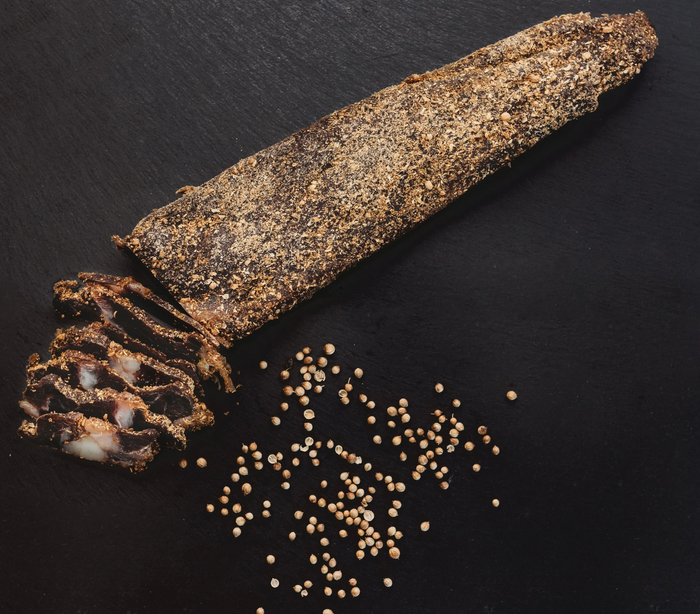
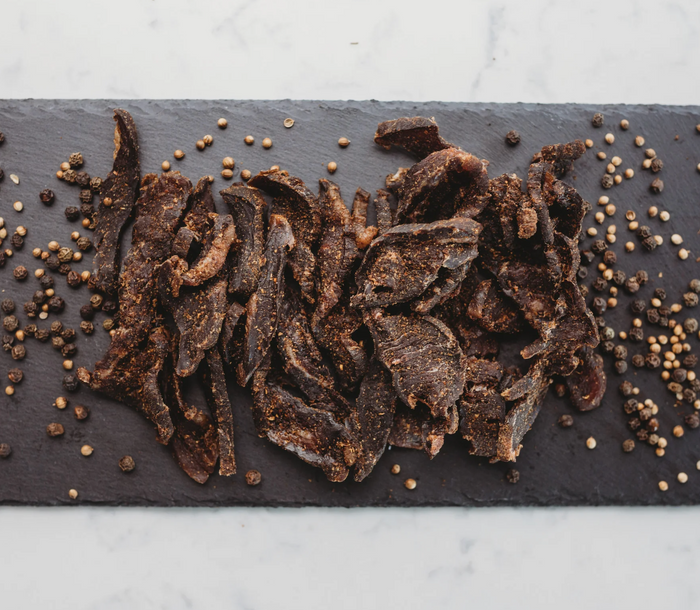
Biltong sliced fresh off the slab, like our Biltong Slabs, has a completely different mouthfeel than pre-sliced product that has been in a bag. A writer who describes all biltong texture the same way has almost certainly never held a slab. Someone who has eaten it fresh-sliced versus eaten it from a bag will mention the difference, because it is significant enough to be impossible to miss.
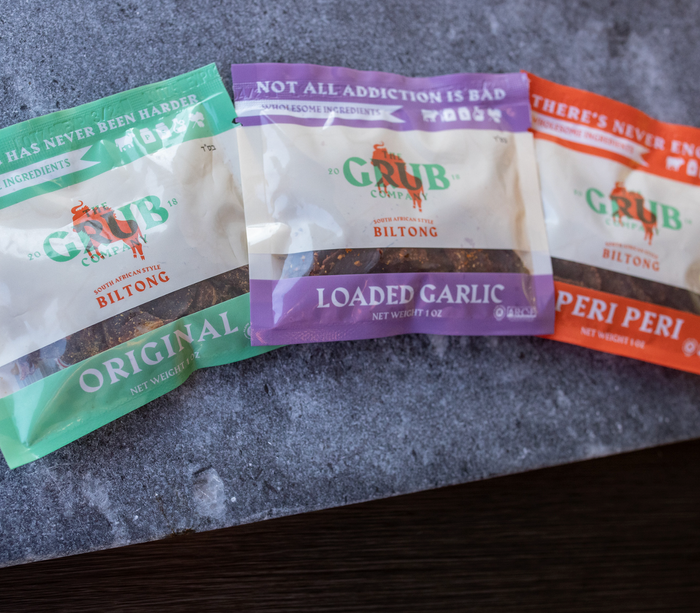
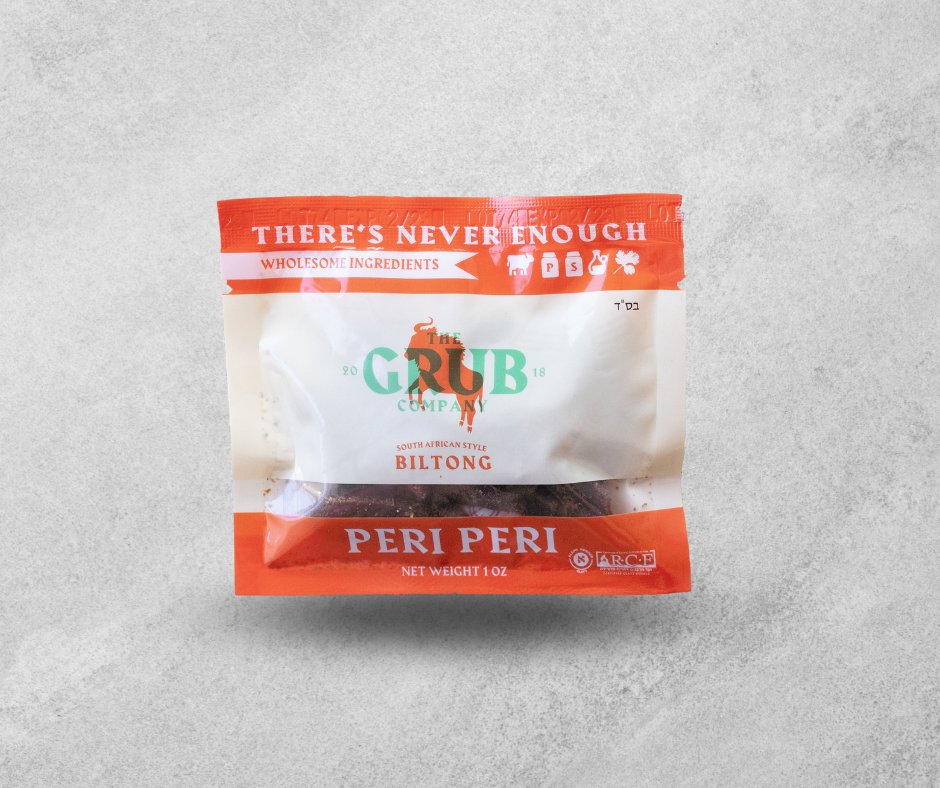
The same goes for flavor range. Our three flavors, Original, Peri Peri, and Loaded Garlic, taste nothing alike. Original is clean, deeply beefy, with the vinegar sitting in the background. Peri Peri has real heat that builds. Loaded Garlic is exactly what it says. An article that says biltong is 'mildly seasoned' or describes a single generic flavor profile is working from someone else's description, not from eating it.
When you see language that could describe any dried meat from any country, trust your senses: a generalist wrote it. That does not mean every specific is wrong. It means you have no way to know which specifics to trust.
Sourcing Claims Need Producer Backing, Not Just Keyword Mentions
Grass-fed. Pasture-raised. Premium beef. These phrases appear in a huge number of biltong articles, and almost none of them explain what those claims actually mean or where they come from.
Our biltong starts with grass-fed beef. That is a real sourcing decision, not a marketing phrase we added for SEO. But when you read that claim anywhere, including from us, the right question is: what does the producer actually do to verify it? An article that repeats sourcing language without asking that question is not informing you. It is reprinting a label.
Look for articles that distinguish between the claim and the verification. 'Grass-fed' means something specific about how the animal was raised. An article worth reading will acknowledge that not all grass-fed beef is the same, or that the claim means different things in different regions, or that producers who are serious about it can speak to their supply chain. Articles that use the phrase as decoration, without any context, are not giving you useful information about the product you are considering.
This matters more in food than in most categories because ingredient sourcing, processing standards, and what terms like 'natural' or 'premium' mean in practice all shift over time. An article written a few years ago about biltong sourcing may reflect standards that have changed. Look at when it was published. If there is no date visible, treat the sourcing claims with extra skepticism.
Watch for the Article That Treats Influence as Evidence
Biltong has had a real moment on social media. That is good for the category. But a certain kind of food article treats the number of hashtags or the size of a creator's following as a stand-in for product quality or accuracy. It is not.
'Trending on TikTok' tells you that a video performed well with an algorithm. It does not tell you whether the biltong in the video is made with grass-fed beef, cured correctly, or even produced in a facility with proper handling standards. The real difference between a useful article and a trend piece is whether the evidence is about the food or about the attention the food has received.
When an article's main argument for why biltong is worth trying is that influencers are eating it, that is not a food article. That is a social proof press release. Look for pieces where the argument rests on how the product is made, what is in it, and how it behaves, not on who has been photographed holding a bag.
We are not going to tell you to ignore social proof entirely. If a person you trust recommends something, that is real information. But an article that substitutes metrics for substance is doing you a disservice, and you should read its specific claims, especially about nutrition, sourcing, or preparation, with a skeptical eye.
The Bottom Line
The best biltong articles are written by people who have eaten the product, asked where the beef came from, and paid attention to the details that separate real biltong from a dried-meat approximation. The worst ones look fine on the surface. They use the right words, they cite the South African origins, they mention the vinegar and spice. But they are built on secondhand information, and the errors tend to show up exactly where the details matter most: texture, flavor range, sourcing, and what actually makes biltong different from everything else on the shelf.
If you want to know what we actually make, the $4.99 Sliced Biltong Mini's or the Biltong Sampler Pack are the most direct answer. Taste it, then go back and read whatever article sent you here. You will know immediately what that writer got right.
A few questions come up every time someone is trying to figure out whether a biltong source is worth trusting. These are the ones worth having answers to before you commit to anything.
Frequently Asked Questions
How can I tell if a biltong article was written by someone with real product knowledge?
Look at how the article describes texture and flavor. Biltong cut fresh off the slab tastes and feels different from pre-sliced biltong that has been sitting in a bag. Writers who treat all biltong as one uniform experience have almost certainly not eaten it in more than one form. If the article also describes a single generic flavor profile without acknowledging that biltong ranges from clean and simple to intensely garlicky or spiced with peri peri heat, that is another sign the writer is working from someone else's description rather than firsthand experience.
Why does it matter whether biltong articles disclose who funded or sponsored them?
Food content is one of the categories most influenced by sponsored relationships, and those relationships do not always get disclosed clearly. A piece funded by a producer has an obvious incentive to present that producer's sourcing claims as settled fact. The real problem is not that sponsored content exists. It is that you often cannot tell it is sponsored, which means you are weighing a marketing piece the same way you would weigh independent reporting. When an article is very enthusiastic about a specific brand or praises sourcing claims without asking any follow-up questions, it is worth asking who paid for it.
Does the publication date on a biltong article actually matter?
More than most people think. Sourcing standards, what terms like 'grass-fed' or 'premium' mean in practice, and even food safety guidance for cured meats can shift meaningfully over a few years. An article published several years ago may describe conditions that no longer reflect current producer standards. If a piece does not show a publication date at all, that is itself a red flag. You have no way to assess whether the specific claims are current, which matters most when the article is making nutritional or sourcing arguments.
What is the difference between biltong slabs and pre-sliced biltong, and do articles usually get this right?
Biltong slabs are the whole cured piece before slicing. You cut each piece fresh as you eat it, which preserves moisture and gives you a noticeably more tender result. Pre-sliced biltong has more surface area exposed to air and will be slightly drier by the time you open the bag, though quality sliced product is still far better than most jerky. Most articles do not make this distinction at all. They describe biltong as a category without acknowledging that slab versus pre-sliced is a real textural and freshness difference worth understanding before you buy.
Is grass-fed beef in biltong a meaningful claim or just marketing language?
It is a meaningful claim when the producer can actually speak to how the beef was raised. Grass-fed beef has a different fat profile and a different flavor than grain-finished beef, and in a product like biltong where the beef is the entire point, that difference is real and noticeable. The problem is that 'grass-fed' gets used as a label without much accountability. When you see it on a biltong product or in an article about one, the follow-up question is whether the producer is transparent about where their beef comes from. If the answer is vague, treat the claim accordingly.
How do I know if a biltong article's nutrition claims are accurate?
Nutrition data for biltong varies based on the cut of beef used, how lean the product is, the spice blend, and how dry the final product is. An article that gives you a single set of nutrition numbers for 'biltong' without specifying the product or producer is giving you a rough estimate at best. For reliable numbers, look at the actual nutrition label on the product you are buying. Articles can give you a useful ballpark for comparing biltong to other snacks, but they cannot substitute for the label on a specific product from a specific producer.
Can I trust biltong recommendations that are based on social media popularity?
Social proof from someone whose taste you know and trust is real information. A product going viral because of an algorithm is not. Popularity on social media tells you that a video performed well, not that the product is made with quality beef, cured correctly, or handled in a way that delivers a consistent result. Use social media to find products worth investigating, not as the final word on whether those products are actually good. Then look for the producer's sourcing details, read the ingredient list, and if possible, try a small quantity before committing to bulk.