High Protein Beef Jerky: What Actually Drives the Protein Number
The protein in beef jerky comes from how much beef is in the bag and how little else is. Real sliced beef, a short ingredient list and a small glaze give you the highest protein per ounce. We make certified Glatt Kosher biltong and jerky, so here is how to read the number, and where our own snacks fit.
Related: Post Workout Snack: Protein, Timing and What Holds Up in a Gym Bag
Why jerky is high in protein at all
Jerky is beef with the water taken out. Fresh beef is mostly water. Dry it and what is left is mostly protein, a little fat and whatever you seasoned it with. That is the whole reason a small, light bag of dried beef can carry so much protein for its size.
It also explains why the number on the front of a bag can mislead you. Protein per bag and protein per ounce are different things. Protein per serving is a third thing, and the one brands control. Three questions sort it out:
- How big is the serving? A small serving makes any number look modest, and a large one makes it look heroic. Compare per ounce, not per bag.
- What is the beef, and how much of the bag is beef? This is the biggest driver. More beef by weight means more protein by weight.
- What else is in there? Every ounce of sugar, syrup, starch or filler is an ounce that is not protein.
The four things that drive the protein number
1. Whole beef versus formed or chopped meat
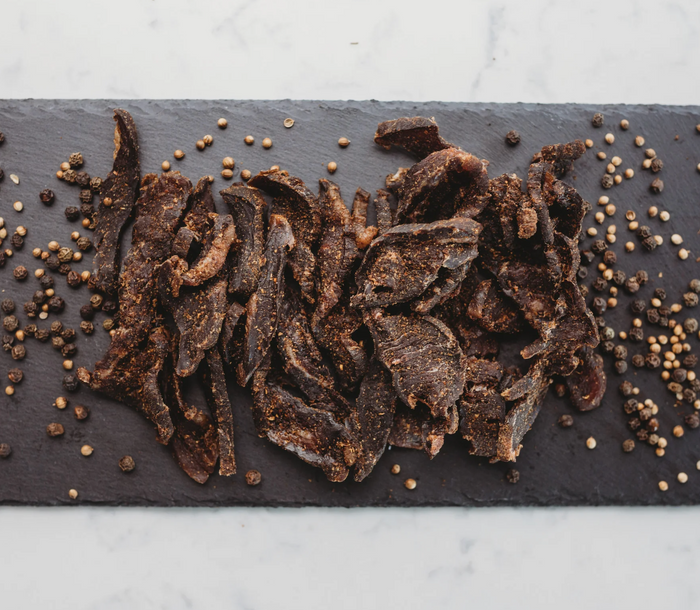
The best jerky is whole muscle, sliced and dried. Some jerky is made from chopped or ground meat pressed into strips. Whole sliced beef is the cleaner starting point. When you read a label, check that the first ingredient is beef and that the bag does not hide behind vague wording.
Our Meat Candy is real, whole sliced beef. We say so because it is not a given in this category.
2. Sugar and glaze
Sweet jerky is a trade. The glaze tastes good and it takes up weight. A heavily sweetened strip is part beef and part candy, so its protein per ounce is lower than a savory strip of the same size. That does not make sweet jerky bad. It makes it a different snack.
If protein is your priority, look for savory over sweet. If you want a treat that still has real beef behind it, a glazed jerky is a fair choice. Know which one you are buying. Meat Candy uses a glaze, so check its label for anything you need to avoid.
3. How it is dried
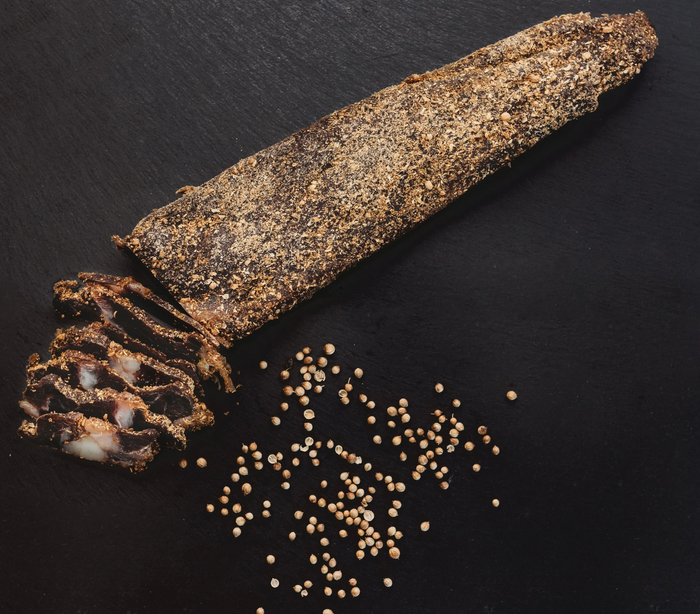
The method changes the texture more than the protein. Biltong is cured with vinegar, salt and spices, then air-dried slowly. Jerky is usually cooked, marinated and dried. Both end up as concentrated beef. We compare the two in Biltong vs Beef Jerky: The Complete Comparison.
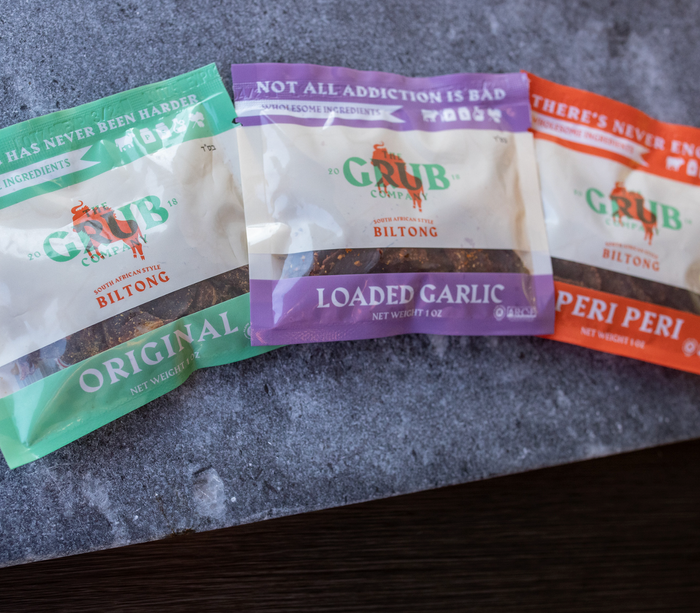
Here is the practical difference for protein. Biltong's seasoning is mostly spices and vinegar, so there is little to dilute the beef. Our Sliced Biltong in Original is grass-fed kosher beef, coriander, black pepper, salt, garlic and vinegar. There is no sugar in that list. Peri Peri adds a little brown sugar for balance. Loaded Garlic is savory and roasted rather than sweet.
4. Moisture and thickness
A strip that is drier weighs less, so the same weight of bag holds more beef. A moister strip weighs more because of water. This is why two bags with the same ounces on the front can feel very different. Thickness matters too. Thin slices dry through and chew easily. Thick slices stay softer in the middle. Neither one changes the beef, but both change what you are paying for per ounce of dried meat.
How to read a jerky label in a minute
- Start with the ingredient list. It runs in order of weight. Beef should be first.
- Count the sugars. Sugar, brown sugar, honey, syrup and juice concentrate all count. A little is flavor. A lot is dessert.
- Check the serving size and the bag size. Work out protein per ounce yourself. Do not trust the front of the bag.
- Look at sodium. Dried meat is cured with salt. That is part of why it keeps. If you watch sodium closely, treat it as a measured snack.
- Find the kosher mark. For meat it also tells you the product is meat, which matters at the table.
Here is the comparison that cuts through most of the marketing. Take the protein grams for one serving. Divide by the serving weight in ounces. Do that for each bag you are weighing up, and the bags line up fairly. A bag that looks lower on the front because its serving is small can come out ahead, and a big number on a big serving can fall behind. It is thirty seconds with a phone calculator, and it is the only honest way to compare two brands.
One more habit worth having: ignore words like "protein-packed," "power" and "fuel." They are not measurements. The ingredient list and the nutrition panel are the only parts of the bag the maker cannot decorate.
We have not published protein or calorie numbers for our products in this article. We would rather you read the panel on the bag in your hand than trust a figure on a blog. Our own take on nutrition is in Biltong for High-Protein, Low-Carb Diets.
Where each Grub snack fits
We sell beef only. Here is how we would match the snack to the job.
- Sliced Biltong, Original. The leanest, simplest ingredient list we make. Pick this when protein per ounce is the goal and you like a savory snack. It is ready to eat and needs no fridge.
- Sliced Biltong, Peri Peri or Loaded Garlic. Same beef, more flavor. Peri Peri has real heat. Loaded Garlic is rounder and sweeter in the savory sense, not hot.
- Meat Candy, in Hickory Kickory Dock or Baa-Baa BBQ Sheep. The sweet, glazed end of the shelf. Real sliced beef, flavored to taste like a treat. It tastes closest to what most people mean by jerky.
- Sliced Biltong Mini's. One-ounce sealed bags. Useful when you want a built-in portion rather than a bag you will finish by accident.
You can see the full jerky range on our kosher beef jerky page, and every biltong size, flavor and sampler on Buy Biltong Online.
When high-protein jerky is the wrong pick
An honest guide needs the exceptions.
- It is salty. Salt is part of how dried meat is cured. If you have a medical reason to limit sodium, talk to your doctor before you make it a habit.
- It is not the cheapest protein. Eggs, canned fish or a block of plain yogurt cost less per gram of protein. You pay for beef, small-batch drying and kosher certification. Jerky wins on convenience, not on price.
- It is easy to overeat. Dry, savory beef disappears fast. Decide the portion before you open the bag.
- Sweet jerky is not the leanest option. If you want the highest protein for the weight, choose a savory strip with a short ingredient list over a heavily glazed one.
- It is meat. It cannot go in a dairy meal. How long you wait between meat and dairy follows your family's custom. If you are unsure, ask your rabbi.
If you are new to biltong and jerky both, our sampler is the low-risk way to find out which texture you will actually keep eating. A high-protein snack you do not like is a bag in the back of a drawer.
Making it work in a real day
High protein only matters if you eat it when you need it. A few simple habits help.
- Keep a sealed bag where you actually get hungry. A desk drawer, a gym bag, a glove box. Heat is its one enemy, so do not leave it on a dashboard in July.
- Pair it with something that adds bulk. Cucumber, celery, an apple or a handful of crunchy vegetables fills you more than beef alone.
- Do not cook it. Biltong and jerky are ready to eat the moment you open the bag.
- Reseal after opening. Press the air out and close the bag tightly, or move what is left into a sealed container.
- Not sure which flavor? Start with Original. It is the reference point for everything else we make.
We ship within the US only, and US orders over $50 ship free.
The bottom line
High-protein jerky is beef first and everything else second. Read the ingredient list, work out protein per ounce, and remember that sugar and glaze take weight from the beef. For the leanest, simplest bag, choose Original biltong. For a sweeter treat with real sliced beef behind it, choose Meat Candy. Either one is certified Glatt Kosher, so a kosher household can eat it without a second thought.
Frequently Asked Questions
Is beef jerky high in protein?
Yes. Jerky is beef with the water removed, so protein makes up a large share of what is left. How high depends on how much beef is in the bag and how much sugar or other ingredients are added. Check the label and compare per ounce.
What makes one jerky higher in protein than another?
Mostly the ratio of beef to everything else. Whole sliced beef with a short ingredient list is higher in protein per ounce than a sweet, heavily glazed strip. Moisture and serving size also change the number you see on the label.
Is biltong higher in protein than jerky?
It is often the leaner choice because it is seasoned with vinegar and spices rather than a sugary glaze. Our Original Sliced Biltong has no sugar in its ingredient list. For exact protein numbers, read the nutrition panel on the bag you buy.
Is sweet jerky still a high-protein snack?
It can be, because it is still real beef. It usually has less protein per ounce than a savory strip, since the glaze takes up weight. Our Meat Candy is sweet by design, so check its label if you are counting closely.
What is the best high-protein meat snack that does not need a fridge?
Dried beef is one of the few. A sealed bag of biltong or jerky is ready to eat and keeps in a drawer, a gym bag or a carry-on. Once opened, keep it sealed and out of the heat.
Is high-protein jerky kosher?
It is only kosher if the meat and every ingredient are. Our biltong and Meat Candy are certified Glatt Kosher. They are meat, so they are kept separate from dairy according to your family's custom.
Do you ship outside the US?
No. We ship within the US only, and US orders over $50 ship free.