The Healthiest Beef Jerky: How to Read the Label
The healthiest beef jerky is the one with the shortest ingredient list: real beef first, sugar low or absent, and sodium you have actually checked on the panel. We make certified Glatt Kosher jerky and biltong, so here is how we read a label, including the parts that make our own sweet jerky the weaker pick.
Related: Whole30 Snacks: Meat Snacks and the Label Rules That Decide
Every bag of jerky says "natural," "protein-packed" or "clean" on the front. None of those words is a measurement. The real information is on the back. This guide walks through it in the order we would read it, and ends with an honest answer on which kind of dried beef fits a health-minded snacker best. Our biltong is certified Glatt Kosher, but the label rules below work for any bag you pick up.
Start with the ingredient list, not the front of the bag
Ingredients are listed from most to least by weight. That one rule tells you most of what you need.
- Beef should be first. If sugar, soy sauce or a sweet sauce comes before the meat, you are buying a candy with beef in it.
- Count the lines. A short list means fewer places for sugar, sodium and filler to hide. Beef, salt, vinegar and spices is a short list. A paragraph of syrups, flavorings and stabilizers is not.
- Look at the type of meat. Whole sliced beef is what you want. Be wary of "formed," "chopped" or "restructured" meat, and of any bag that does not say what the meat actually is. We cover how to spot the cheap stuff in why your beef jerky is mushy.
- Know the sweeteners by name. Brown sugar, cane sugar, honey, corn syrup, teriyaki and many glazes are all sugar. Several of them on one list add up even if each sits low on the order.
Grass-fed is worth a mention. It tells you how the cattle were raised, and some people care about that a great deal. It does not tell you anything about sugar or sodium. A grass-fed jerky can still be a sweet, salty one. Read the rest of the label anyway.
Then read the Nutrition Facts panel
Three lines matter for most people: protein, sugar and sodium.
Protein
Dried beef is high in protein. That is the whole point of the category. But compare protein to the serving size, and compare serving sizes between brands. One bag may list a 1 oz serving and another 2 oz. The numbers only line up when you do the division.
Sugar
Sugar is where jerky varies the most. Some jerky has almost none. Some is closer to a glazed candy. Look at the "Added Sugars" line. If it is large next to the protein, you are eating a sweet snack, whatever the front of the bag says.
Sodium
Salt is part of how dried meat is preserved, so every jerky is salty. That is not a flaw to hunt down. It is a fact to plan around. If you watch your sodium for a medical reason, check the milligrams per serving, multiply by how much you will really eat, and talk to your doctor. We went through this in detail in Is Biltong Healthy? A Straight-Talking Nutrition Breakdown.
One trap deserves its own warning: the serving size. A bag with a small serving size can show friendly numbers. Then you eat half the bag and the numbers multiply. Check how many servings the bag holds before you decide.
Marketing words that do not mean what you think
- "Natural." It is not a measurement of sugar, salt or anything else. It is a word on a bag.
- "Uncured." This usually describes the type of curing agent used, not whether the meat is preserved. It says nothing about sodium.
- "Clean." It has no fixed meaning. Read the ingredients instead.
- "Healthy." A bag can say it and still be sweet and salty. Trust the panel, not the adjective.
- "Kosher-style." This does not mean certified. If kosher matters to you, you need an actual certification on the bag, and for meat you also want it to say Glatt.
Where biltong beats jerky, and where jerky wins
We make both, and they are different products on this exact question.
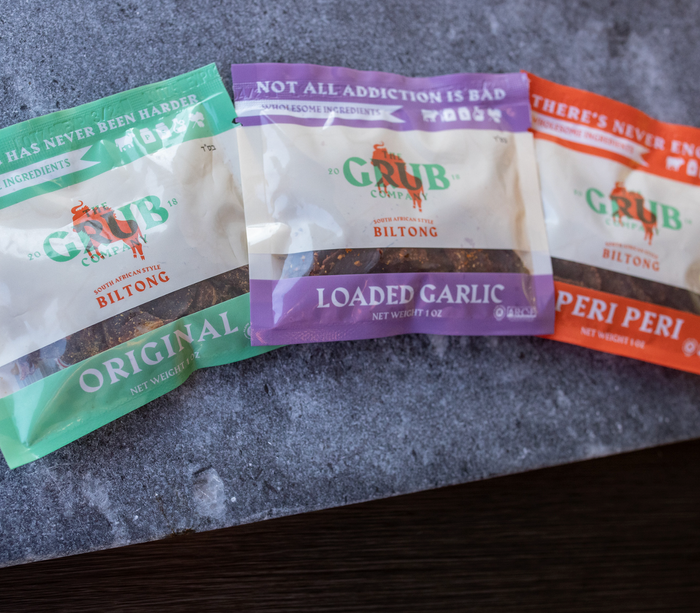
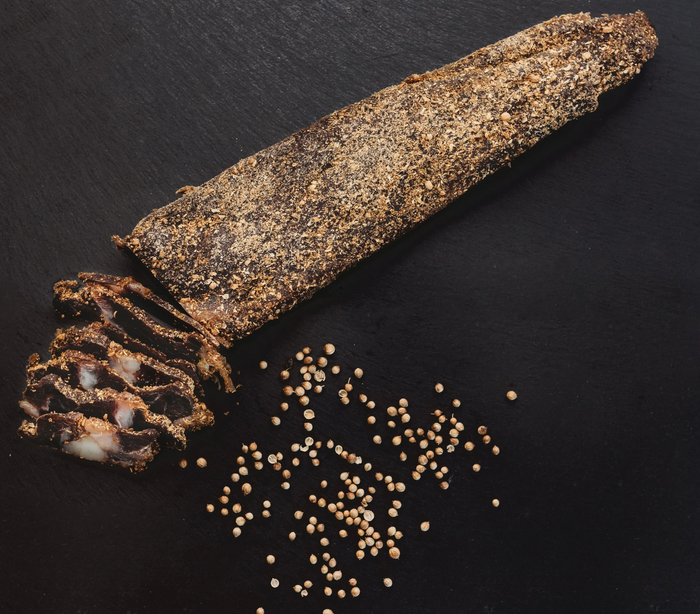
Biltong is cured with vinegar and salt, spiced and air-dried. Our Sliced Biltong in Original is grass-fed kosher beef, coriander, black pepper, salt, garlic and vinegar. There is no sugar in that list. Peri Peri adds brown sugar, and Loaded Garlic is savory and roasted. If your priority is the shortest ingredient list and the least sugar, Original biltong is the one we would point you to.
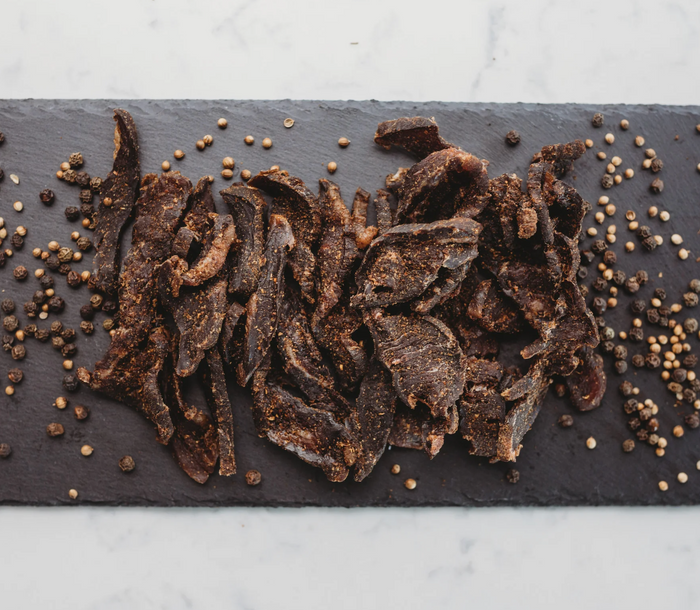
Our Meat Candy is jerky, and we make it sweet on purpose. It is cooked, glazed and marinated with sugar. It starts with real, whole sliced beef, not mechanically separated meat or ground scraps. It is the one that tastes like a treat, so read it as a treat. If you are comparing labels for the leanest snack, Meat Candy is the wrong pick and biltong is the better one. If you want something that tastes like classic jerky and is made from good beef, it is a fair choice. You can see the whole range on our kosher beef jerky page.
We are not printing calorie, protein or sodium numbers for our bags in this article. Figures change by flavor and size, and the panel on the bag in your hand is the only number you should trust.
When jerky is the wrong snack
- If you need strict low sodium. No cured meat will fit a tight limit. Pick a different snack and ask your doctor.
- If you are in a dairy meal. It is meat. Keep meat and dairy separate, and wait between them as your family's custom directs.
- If you want the cheapest protein. Eggs and nuts cost less per serving. You pay for the beef, the certification and the small-batch drying.
- If you eat straight from the bag. Dried beef is easy to finish in one sitting. Portion it first.
Eating it well once you have chosen it
A good label only helps if the habit around it is good too. Dried beef is dense, savory and easy to keep eating, so a little structure goes a long way.
- Portion before you start. Pour a serving into a small bowl and close the bag. It takes ten seconds and it is the single most useful thing you can do.
- Pair it with something fresh. An apple, a cucumber or a handful of carrots makes a snack that fills you up for longer than the jerky alone.
- Drink water with it. Salty food and plain water go together, and you will notice the salt less.
- Keep it sealed. Press the air out and close the bag after each use. If you bought a larger bag, split it into smaller sealed bags the day it arrives.
- Do not cook it. Both biltong and jerky are ready to eat straight from the bag.
A 30-second label check
- Is beef the first ingredient, and is it whole sliced beef?
- Is the ingredient list short enough to read aloud without getting bored?
- What does the Added Sugars line say?
- What is the sodium per serving, and how many servings are in the bag?
- Is there a real certification on the bag, not just a claim?
If a bag fails the first two, put it back. The last three tell you whether it fits your plan.
The bottom line
The healthiest jerky is not the one with the greenest packaging. It is the one with real beef first, a short list and numbers you have read. For the least sugar, choose biltong. If you want a sweeter chew, choose jerky, and eat it knowing what it is. If you want to try biltong, buy biltong online and start with a small bag so you know what you like. US orders over $50 ship free.
Frequently Asked Questions
What is the healthiest beef jerky?
The one with beef as the first ingredient, a short ingredient list, low added sugar and a sodium number you have checked per serving. There is no single brand answer. The label is the answer.
Is beef jerky actually healthy?
It is high in protein and does not need refrigeration. It is also salty, and some jerky is sweet. Whether it is healthy for you depends on the label and on how much you eat.
Is jerky or biltong healthier?
Biltong is usually the simpler product. Our Original Sliced Biltong has no sugar in the ingredient list, while jerky is generally marinated with sugar. Both are salty. Compare the panels on the exact bags you are choosing.
How much sugar should I look for in jerky?
As little as you can find. Check the Added Sugars line and compare it with the protein. If the two are close, it is a sweet snack more than a protein snack.
Does "uncured" or "natural" jerky mean it is healthier?
No. Those words describe marketing or the type of curing agent. They tell you nothing about sugar or sodium. Read the panel.
Can I eat kosher jerky if I am watching my sodium?
Kosher status and sodium are separate questions. Kosher jerky is a cured meat, so it is salty like other jerky. If you have a medical reason to limit sodium, check the milligrams per serving and ask your doctor.
Is Grub Company biltong certified Glatt Kosher?
Yes. Our biltong is certified Glatt Kosher, which means the beef and the process are certified, not just the label. Every bag carries the certification.