Does Biltong Expire? Dates, Storage and Signs It Is Past Its Best
Yes, biltong expires, but slowly. Unopened and kept cool and dry, it stays good for a long time; once the bag is open, the clock moves faster, and the date on your package and your own eyes and nose are the real guide. We make certified Glatt Kosher biltong, and this is what we tell anyone who asks how long a bag will last.
Everything we make at Grub is certified Glatt Kosher, air-dried in small batches in Florida from grass-fed beef. It is cured, dried and ready to eat. It does not need a fridge. It also is not immortal. Here is what "expire" really means for dried meat, what changes first, and how to keep a bag in good shape.
What "expire" means for biltong
Two different things get called expiring. The first is a date. Every package carries one, and it is the maker's statement of how long the product should taste the way it is meant to. The second is spoilage, which is the point where the food is no longer safe or pleasant to eat. They are not the same moment.
A date is about quality and a margin of safety. Spoilage is about what is actually happening in the bag. A bag can be a little past its best and still be fine to eat. A bag well inside its date can still go wrong if it sat in a hot car or got damp. So treat the date as a guide and your senses as the check.
We are not going to quote you a number of months here. The date printed on your package is the number that applies to the bag in your hand, and it is the one to follow. If you cannot find it, contact us with the flavor and where you bought it.
Why biltong keeps at all
Biltong is salted, spiced, washed with vinegar and then dried slowly with moving air. Bacteria and mold need water to grow. Take enough of the water out, add salt and a touch of acid, and most of what spoils fresh meat cannot get started. That is why the bag does not need refrigeration.
It is not a sterile product, though. Dried meat is protected, not invincible. The protection depends on the meat staying dry. Most of what goes wrong with biltong at home comes from moisture getting back in. If you want the full mechanism, we have a separate guide on how biltong does not rot. Here, we focus on what happens to a bag over time.
Unopened versus opened
An unopened, sealed bag is the best case. Nothing is getting in. Keep it somewhere cool and dry, away from the stove, a sunny windowsill or a car. Heat and humidity are the two things to avoid.
Once you open it, the air in the room is now in contact with the meat. Dry air barely matters. Humid air does. In a damp kitchen or a humid climate, an open bag changes faster. In that case:
- Press the air out and reseal the bag firmly, or move the biltong to an airtight container.
- Keep it away from the dishwasher steam, the kettle and the sink.
- Do not store it in a bag with something wet, like a cut lemon or a damp cloth.
- Take out what you will eat and close the bag, instead of leaving it open on the counter all afternoon.
An opened bag does not have a single magic number of days, because your kitchen is not our kitchen. A dry apartment in winter and a humid porch in August are different worlds. Eat an opened bag sooner rather than later, and you will never have to find out where the limit is.
What changes first as biltong ages
Long before biltong is unsafe, it gets less pleasant. Knowing the order of changes helps you tell harmless aging from a real problem.
It gets drier and harder. This is the most common change, and it is not a safety issue. Meat that has lost more moisture is tougher and chewier. Some people like it that way. If yours is too hard, slice it thinner with a sharp knife or soften the bite by chewing it with your front teeth.
The flavor fades or turns flat. Coriander and pepper are the first notes to soften. The beef becomes plainer. Again, this is quality, not danger.
Fat can taste stale. Fat on the edges of a piece can pick up an off, paint-like or sour note if it is stored too long or too warm. If a piece smells stale, skip it.
Then there are the signs that matter. We cover them in detail in how to tell if biltong has gone bad, but the short list is below.
Signs it is past its best, or worse
- Visible mold. Fuzzy patches, usually white, green, blue or gray, are a reason to throw the piece out. This is the sign that matters most.
- A sour, rotten or ammonia-like smell. Good biltong smells of beef, vinegar and spice. Anything that makes you recoil is wrong.
- A slimy or sticky surface. Dry meat should feel dry. Tackiness that was not there before means moisture got in.
- Dampness in the bag. Condensation on the inside of the bag, or pieces sticking together, means water has been trapped.
If you see one of these, do not try to scrape or trim it and eat the rest. Mold can spread below the surface where you cannot see it. The rule for dried meat is the same as for any food: when in doubt, throw it out. A bag is not worth being sick over.
One thing that is often mistaken for mold: a fine, dry white dusting can be salt or spice residue. It looks powdery, not fuzzy, and it wipes off. If you are not sure which it is, treat it as a warning and do not eat it.
Where to keep it
The short version is cool, dry and dark. A pantry shelf or a kitchen cabinet away from heat is ideal. Not the top of the fridge, which is warm. Not the glove compartment. Not a gym bag left in a trunk.
Should you refrigerate or freeze it? You do not have to. Some people do, especially in very humid places, and we have a separate guide on how to store biltong so it stays fresh. If you do use a fridge or freezer, the enemy is condensation. Take the bag out, let it come to room temperature while it is still sealed, and only then open it. Opening a cold bag in a warm room lets water settle on the meat.
Buying so you do not have to worry
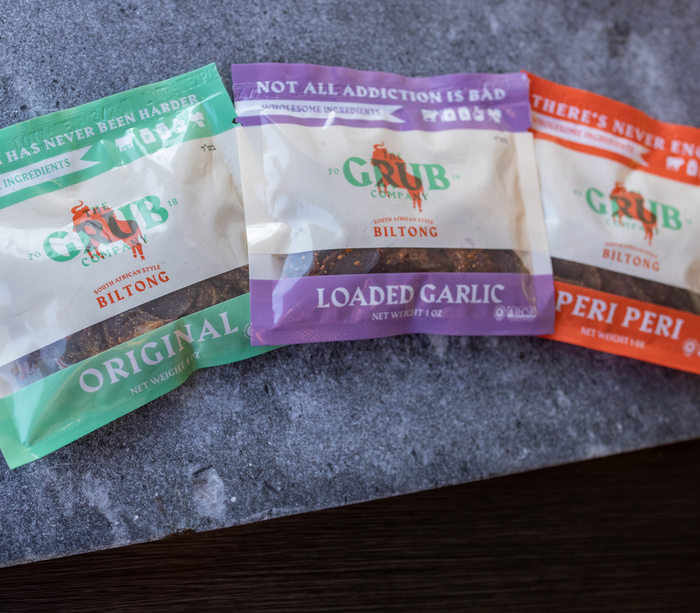
The easiest way to avoid expired biltong is to buy what you will eat. If you eat a bag a week, buy that. If you are trying a flavor for the first time, start small with the Sliced Biltong Mini's, one ounce each in Original, Peri Peri and Loaded Garlic. For an everyday bag, the Sliced Biltong comes in three-ounce bags. You can see every size we sell on Buy Biltong Online.
Buying a lot at once is fine if you portion it. A large pack kept in one open bag is the classic way biltong goes stale. Split it into smaller sealed bags the day it arrives and open one at a time.
When your biltong arrives, bring the package inside promptly rather than leaving it on a hot porch. If a delivery arrives damaged or open, contact us and we will sort it out. We ship to US addresses only, and US orders over $50 ship free.
Is this the wrong pick if you want something with a long, guaranteed life that you can forget about for a very long time? Maybe. Dried meat is shelf-stable, not eternal. If you want a pantry item to sit untouched for years, canned goods are a better tool. Biltong is a snack to enjoy while it is at its best.
The bottom line
Biltong does expire, slowly. Keep it sealed, cool and dry, follow the date on your package, eat an opened bag sooner, and check by sight and smell before you eat. Harder and drier is just aging. Mold, a sour smell or a damp surface means it goes in the trash. If you like jerky as well, our kosher beef jerky collection has the sweeter side of the shelf.
Frequently Asked Questions
Does biltong expire if it is unopened?
Yes, eventually, but an unopened sealed bag kept cool and dry is the best case. Follow the date printed on your package. Heat and humidity shorten how well it keeps, so store it away from the stove, sun and car.
Is biltong safe after the date on the bag?
The date is the maker's guide to quality and a margin of safety. A bag slightly past it may be fine, while a bag well within it can still spoil if it got hot or damp. Check for mold, smell and texture, and throw it out if you are unsure.
How long does an opened bag last?
There is no single number, because kitchens differ. Humid air shortens it and dry air helps. Press out the air, reseal firmly or use an airtight container, and finish an opened bag sooner rather than later.
Is hard, dry biltong expired?
Not necessarily. Biltong gets harder as it loses moisture, which is aging, not spoilage. It may be tougher and less flavorful, but without mold, a sour smell or sliminess it is a quality change. Slice it thinner if you want an easier bite.
What does moldy biltong look like?
Mold is fuzzy or furry, often white, green, blue or gray. A dry, powdery white dusting can be salt or spice and wipes off, but if you cannot tell the difference, do not eat it. Do not trim off mold and eat the rest.
Should I put biltong in the fridge or freezer?
You do not need to. If you do, let the sealed bag reach room temperature before you open it, so condensation does not settle on the meat. Keep the bag sealed until it is at room temperature.
Does Grub ship biltong outside the US?
No. We ship to US addresses only, and US orders over $50 ship free.