Can You Eat Beef Jerky During the Nine Days?
Beef jerky is meat, so during the Nine Days, when many Jews refrain from eating meat, jerky is off the menu too. A snack does not change it. The practice has exceptions, such as Shabbos, and differs between communities, so here is an overview; for your own practice, ask your rabbi.
What the Nine Days are
The Nine Days run from Rosh Chodesh Av to Tisha B'Av, the fast day that mourns the destruction of both Temples. As the day approaches, mourning practices increase. One of them, in many communities, is refraining from meat and wine, which are associated with celebration and, historically, with the Temple offerings.
Who refrains, and when
| Practice | Commonly kept by |
|---|---|
| No meat from Rosh Chodesh Av until after Tisha B'Av | Most Ashkenazim |
| No meat only in the week of Tisha B'Av | Many Sephardim |
| Some wait until midday on the 10th of Av | Many communities, since the Temple continued burning |
Common exceptions
- Shabbos. Meat is eaten as normal on Shabbos during the Nine Days.
- A seudat mitzvah, such as a siyum or a brit milah, where meat may be served.
- Health reasons, for which people consult their rabbi.
Whether any of these apply to you is a question for your rabbi.
Practical planning
- Stock up after Tisha B'Av, not before. Sealed bags keep for months, so there is no pressure either way.
- For Shabbos during the Nine Days, jerky and biltong can be part of the Shabbos table as usual.
- Summer camp. Many camps go dairy for the Nine Days. Jerky in a care package arriving then may have to wait for Shabbos or after Tisha B'Av; time packages accordingly.
- Pareve protein during the Nine Days: nuts, eggs, fish and beans take its place for many families. Many families also eat dairy during this period; dairy is not pareve, so keep it separate from meat.
Our kosher beef jerky and biltong are certified Glatt Kosher and meat. More on why jerky is always meat.
Try it: Summer Camp Package Planner: Kosher Jerky. Tell it the camp’s rules and session; get what to send.
What this page is, and what it is not
Many Jews do not eat meat during the Nine Days, and customs vary from community to community. We make certified Glatt Kosher beef snacks, so we are not going to tell anyone what they must do. This page is for people who already keep the custom, and for the people who feed, host, ship to or live with them. If you are unsure what your own family or community does, ask your rabbi.
Grub sells beef only. That means nothing in our line is a Nine Days snack for someone who is refraining from meat. What we can do is help you plan around the period so the jerky and biltong arrive when you want them and sit unopened until then.
A realistic plan for the Nine Days if you are not eating meat
The hard part of the Nine Days is rarely the dinner. Dinner has a kitchen and a plan. The hard part is the snack at 3 p.m., the car ride, the office desk and the camp care package, because those are the moments when a meat snack was the default.
- Move the snack, not the habit. If your usual midday protein is a bag of jerky or biltong, replace it with something that is equally quick and needs no preparation: hard-boiled eggs, nuts, seeds, fruit, or canned fish. Check the kosher certification on anything packaged.
- Decide your dairy rules first. Many families who do not eat meat during this period eat dairy instead. Meat and dairy are kept separate, and how long you wait between them is your family's custom, so settle that before you stock the kitchen. Our article on waiting after kosher jerky before dairy explains the general rule and why the length differs.
- Do not hide the meat snacks, put them away. A drawer of jerky is a temptation for a few days and a mistake on the others. Moving sealed bags to a high shelf or a separate box is easier than relying on willpower.
- Do not throw out what you have. Sealed bags are shelf-stable. They can wait. Follow the storage guidance on the bag and keep them somewhere cool and dry.
Situations where the question comes up
| Situation | What to think about | Who to ask |
|---|---|---|
| A mixed household, where one person refrains and another does not | Separate shelf, sealed bags, no shared plates. Keeping the peace matters as much as keeping the custom. | Your rabbi, if the household is unsure what is expected |
| Hosting a guest during the period | Ask before you serve meat. Offer a pareve or dairy option so no one has to explain. | The guest, plainly and early |
| A care package already scheduled to arrive | Ship it to arrive after the period, or send non-meat items first. | The camp or school, about its own rules |
| A gift for someone who does not keep the custom | A gift is fine, but the timing may matter to you. Send it for later. | Your rabbi, if you are unsure |
| A seudat mitzvah or a Shabbos in the period | Practice differs. Some serve meat, some limit it. | Your rabbi, always |
Ordering so the timing works
The simplest rule is to order for the day you want to eat it, not the day you are thinking about it. Orders ship within the US, and US orders over $50 ship free, so there is no penalty for waiting.
- Before the period starts, place your order for later. Sealed bags are shelf-stable, so they will sit unopened. Put the box somewhere you will not open it by accident.
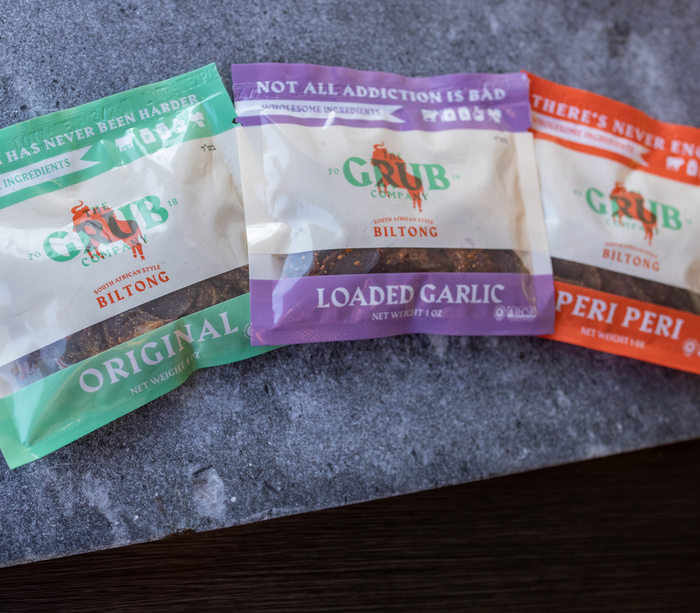
- Choose formats that suit the first meal back. A person coming off several days without meat usually wants something simple. The Biltong Sampler Pack lets you try Original, Peri Peri and Loaded Garlic together, and Meat Candy is the sweeter, jerky-style option in Hickory Kickory Dock and Baa-Baa BBQ Sheep.
- If you are buying for a crowd afterward, see how much biltong to order for a party. A group coming together after a period of mourning tends to eat more than you expect.
Keeping unopened bags in good shape
Store sealed bags in a cool, dry cupboard, away from the stove and out of direct sun. Keep them in their sealed packaging until you plan to eat them. Once a bag is open, it is a different question, and our guide to biltong shelf life once the bag is open covers what to do. We do not give a number of months here, because the guidance on the bag is the one to follow.
Questions worth bringing to your rabbi
These are the points where communities genuinely differ, so do not settle them from a blog:
- When the custom begins and ends in your community.
- Whether Shabbos or a seudat mitzvah is treated differently in your family.
- Whether anything changes for children, for older relatives, or for anyone with a health need.
- What applies to a meat snack you are only holding for someone else, such as a gift in the mail.
- How long to wait between meat and dairy once the period ends, if you are returning to meat.
Frequently Asked Questions
Is Grub's beef jerky okay to eat during the Nine Days?
It is meat, so it follows the same rules as any other meat. Many people do not eat meat during the Nine Days, and customs vary, so ask your rabbi about your own practice.
Does Grub make a non-meat snack?
No. We make beef biltong and beef jerky (Meat Candy). If you are looking for a non-meat protein, our article on fish jerky and the pareve option explains what to look for, but check the certification on any product you buy.
Can I order now and have it sit until afterward?
Yes. Sealed bags are shelf-stable. Keep them in a cool, dry place and follow the guidance on the bag.
Can I send biltong to someone who does not keep this custom?
Often yes, and many people do. The question is usually about your own timing and comfort, so if you are unsure, ask your rabbi.
How long should I wait between eating jerky and dairy when the period is over?
That depends on your family's custom. Read our guide on waiting after jerky before dairy and ask your rabbi what applies to you.
When you are ready, browse our kosher beef jerky or see every size on Buy Biltong Online.