Types of Beef Jerky: Whole Muscle, Ground, and Flavor Varieties
Beef jerky splits into two structural categories—whole muscle and ground-formed—then subdivides further by marinade and flavor profile. Understanding these distinctions matters because the source cut, forming method, and seasoning approach each affect texture, protein density, and overall eating experience in measurable ways.
Structural Types
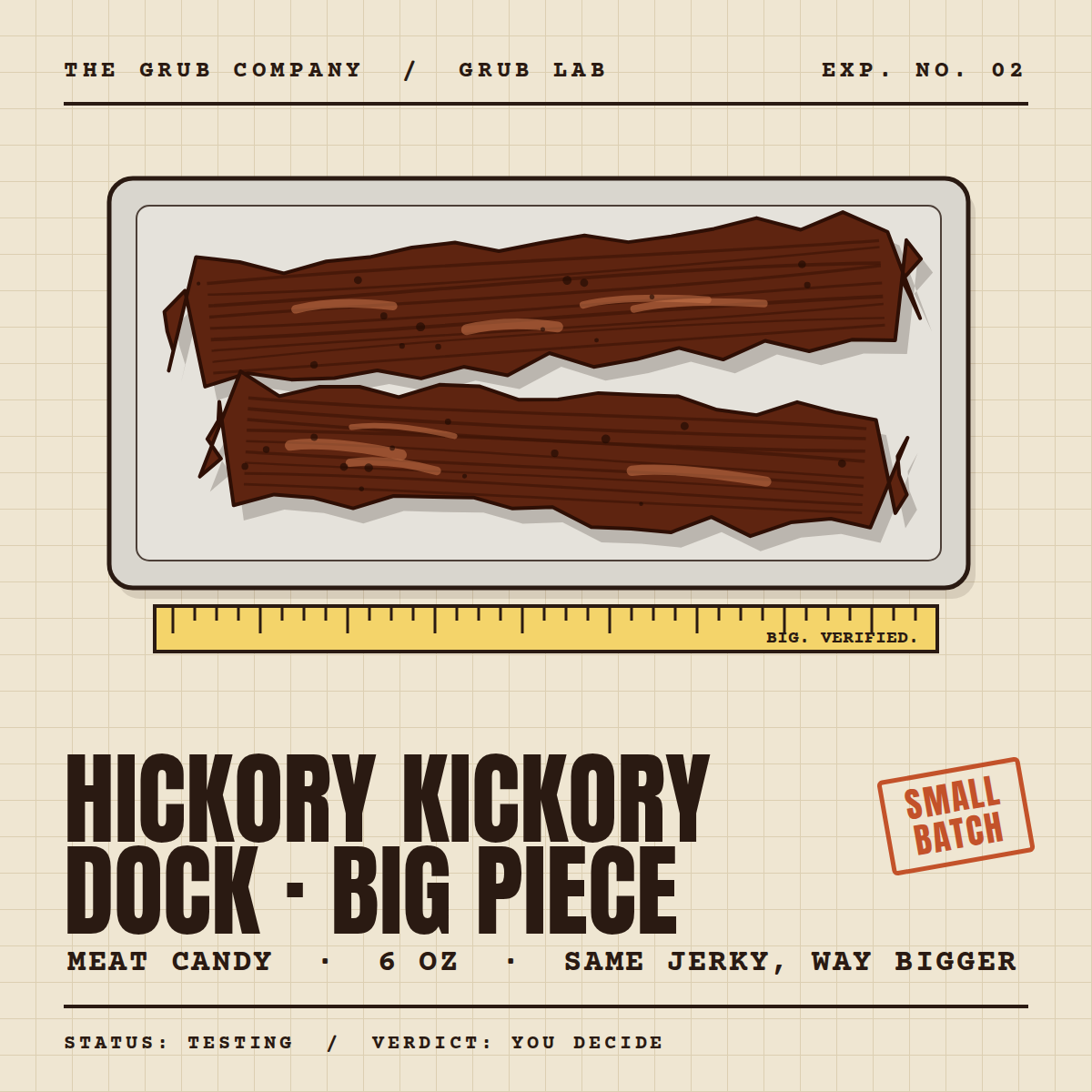
- Whole Muscle Jerky — The benchmark format. Solid cuts like top round, bottom round, or sirloin tip are sliced thin (typically ¼ to ½ inch), marinated, then dried until moisture drops to 20% or below. Because the muscle fibers remain intact, whole muscle jerky delivers a chewier, more fibrous bite and a cleaner label ingredient list. Protein content in finished jerky typically lands between 20–40 grams per 100-gram serving, with the higher end coming from leaner cuts with maximum moisture removed.
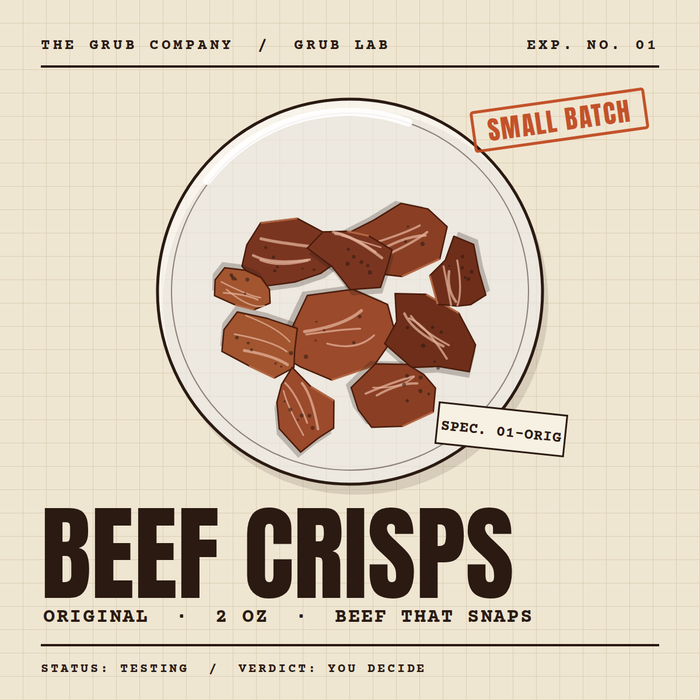
- Ground-Formed Jerky (Chip Jerky) — Made from ground beef blended with binders, seasonings, and curing agents, then extruded or pressed into sheets or strips before drying. This method is regulated under USDA FSIS rules for comminuted meat products (CFR Title 9, Part 320). The texture is more uniform and tender than whole muscle, and production costs are lower because trim and lower-value cuts can be used. You'll often see this format in thin, snappy chip-style pieces.
Flavor and Marinade Varieties
Once the structural format is established, jerky is further differentiated by marinade. The three dominant commercial profiles are:
- Teriyaki Jerky — Soy-sauce-based marinade that adds sweetness and umami alongside the salt cure. Higher sugar content means it can read as wetter or stickier on the surface despite meeting the same moisture-reduction standard.
- Peppered Jerky — Black pepper coating applied pre- or post-drying. The pepper forms a visible crust and dominates the flavor profile with sharp, spicy notes. No significant added sugar, so the beef flavor reads cleanest here.
- Sweet Jerky — Brown sugar or honey-based formulations. These run higher on total carbohydrate count and are closest in flavor to teriyaki but without the soy base.
Curing Method as a Differentiator
Across all types, traditional commercially produced beef jerky uses sodium nitrate or sodium nitrite as a curing agent—up to 500 ppm sodium nitrite per USDA FSIS Directive 7120.1—to inhibit pathogenic bacteria and stabilize color and flavor. Some artisan producers market "uncured" jerky using celery powder (a natural nitrate source), though the chemical mechanism is functionally identical. Both whole muscle and ground-formed formats can be produced with or without synthetic nitrates, but the claim affects labeling, not shelf safety when moisture targets are met.
How Beef Jerky Compares to Biltong
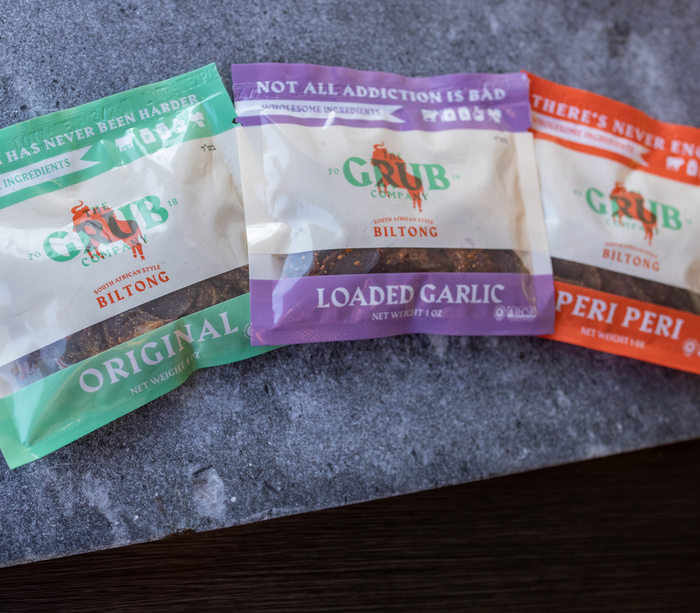
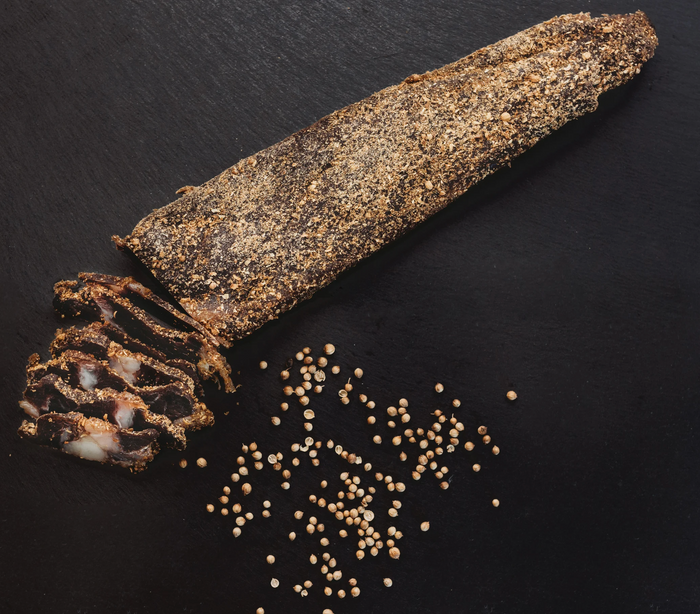
Jerky and biltong are often grouped together but differ fundamentally in drying method. Jerky uses heat-based drying to reach 20% or less residual moisture. Biltong air-dries over 5–10 days and retains 30–40% moisture—meaning it stays outside USDA's standard jerky definition and has a softer, more yielding texture. If you're comparing snack formats, biltong sits closer to a cured charcuterie slice than to traditional shelf-stable jerky.
If you're deciding between whole muscle and ground-formed jerky for a purchase, the cut breakdown for whole muscle jerky—and why top round is the industry standard—is worth understanding before you buy. For those tracking macros, the full beef jerky nutrition breakdown by cut and format covers exactly how protein and fat content shift across product types.