Sliced Biltong vs Biltong Slabs: Which Format Is Right for You?
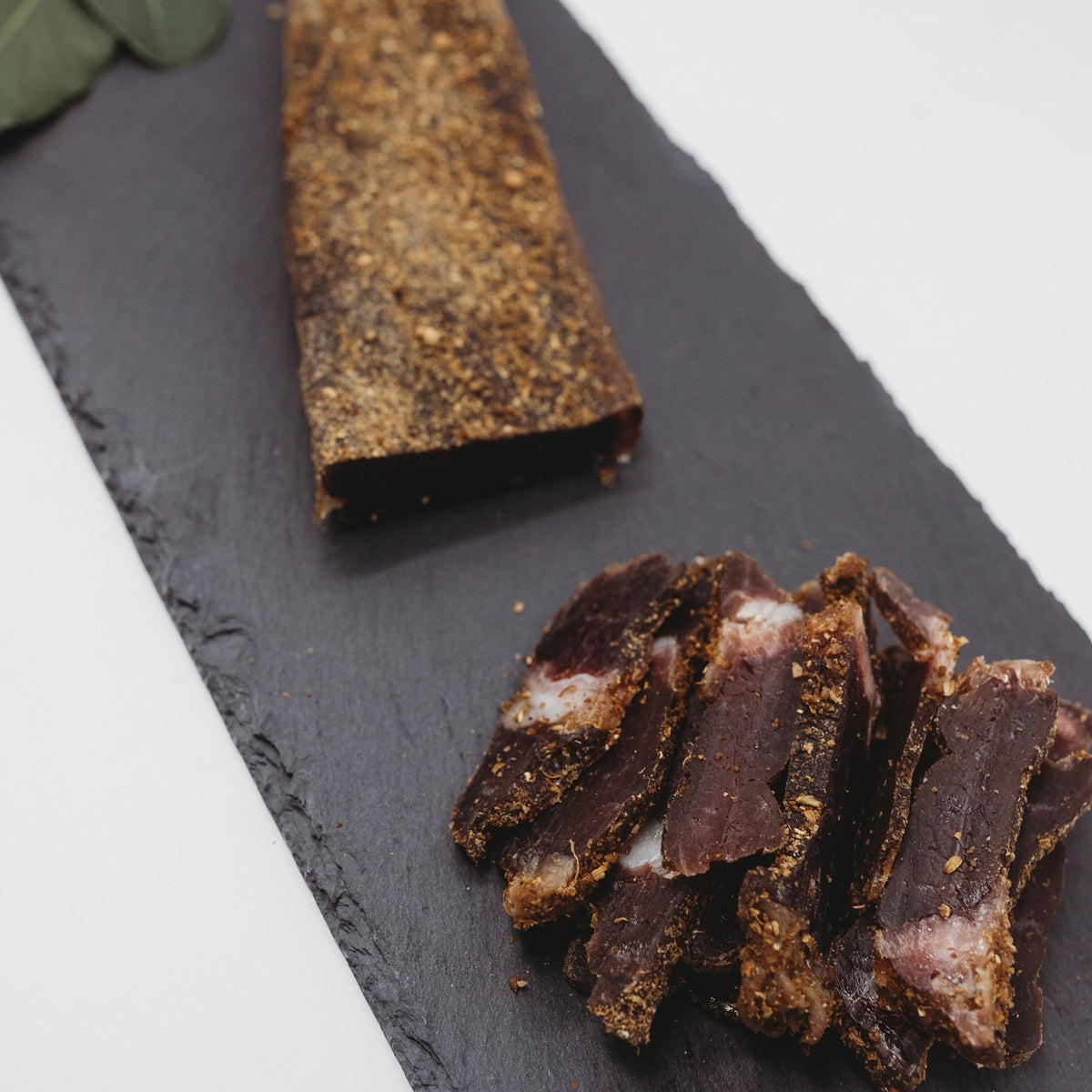
Both sliced biltong and biltong slabs start from the same place. Air-dried, cured beef made with traditional South African methods. Where they differ is everything that happens after the drying is done. One format arrives ready to eat, the other hands control back to you. The right choice depends on how you snack, whether you care about customizing your bite, and what role biltong plays in your day. If you're new to biltong or returning to figure out which format fits your life better, this comparison breaks down the real differences so you can stop guessing and just pick one.
Where to get it: Glatt Kosher biltong for sale, made in Florida and shipped anywhere in the US (free over $50).
Sliced Biltong: Ready When You Are
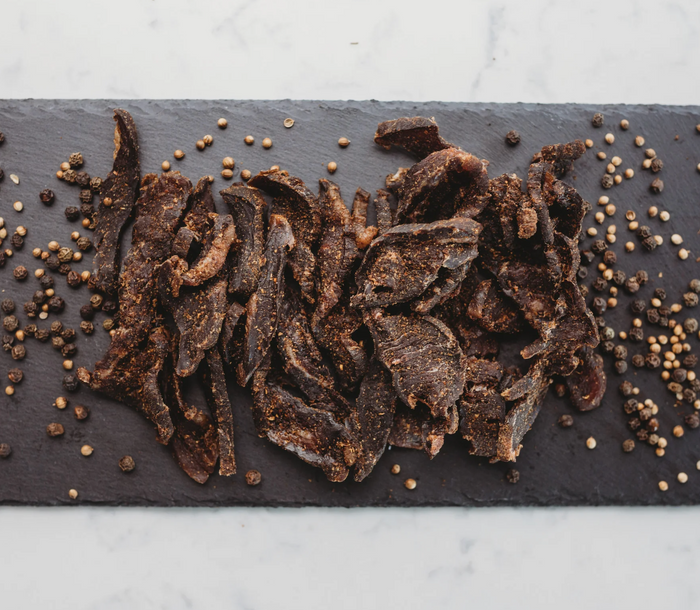
Sliced biltong is air-dried, cured beef that comes pre-cut and ready to eat straight from the bag. No knife, no board, no prep. That makes it the format you reach for when snacking needs to be frictionless, at your desk, in your car, between meetings, or on a trail.
The core appeal is simplicity. Sliced biltong is made by cutting prime beef, curing it with salt and spices, and air-drying it using a traditional South African recipe. What you get in the bag is already sliced thin enough to eat comfortably, often described as tender, soft, and moist, the result of careful air-drying rather than heat-based cooking.
From a nutrition standpoint, sliced biltong is a high-protein, zero-sugar option made with clean ingredients. One grounded source puts protein content at thirty grams per serving, with zero sugar and no artificial ingredients. That profile makes it a practical alternative to processed snack foods, especially if you're watching macros or just want something more substantial than a handful of chips.
Portion control is a quiet advantage here. Because the biltong arrives pre-sliced into bite-sized morsels, the package itself does the portioning work. You're not deciding how thick to cut each piece or how much to pull off a slab. The format enforces consistency passively, which matters if you're trying to stay intentional about how much you eat.
Sliced biltong also travels exceptionally well. Multiple sources describe it as ideal for an on-the-go lifestyle, and the bite-sized format means you can eat it anywhere without looking like you're wrestling with your food. Whether you're packing a hiking bag or throwing something in your work bag, a sealed pouch of sliced biltong is low maintenance.
Sharing is also straightforward. Bite-sized pieces are easy to pass around without anyone needing to slice or tear, making it the natural pick for snack bowls, group settings, or situations where you want to offer something without making it a production. For everyday snacking where speed and simplicity matter, sliced biltong is the clear workhorse format.
Biltong Slabs: The Format That Puts You in Control
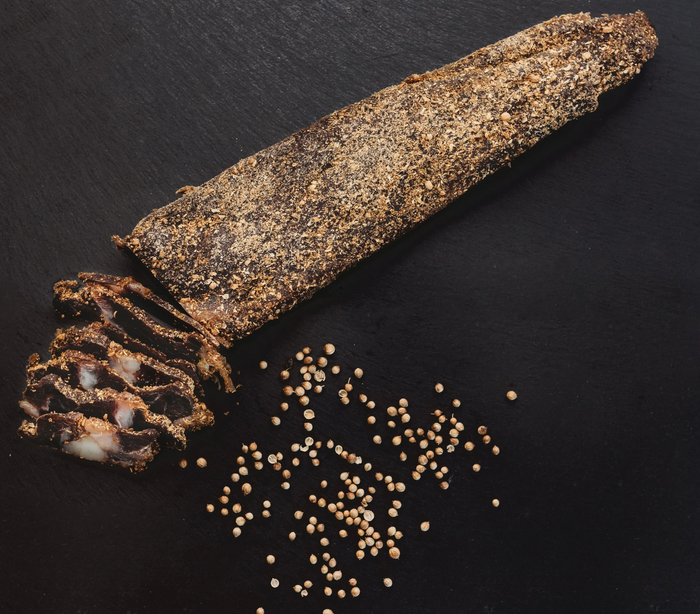
A biltong slab is a whole piece of air-dried beef, uncut, intact, and waiting for you to decide what to do with it. That sounds like more work, and honestly, it is. But for a certain type of biltong eater, that's exactly the point.
The slab format is air-dried beef in its most uninterrupted form. Because it hasn't been sliced before packaging, the interior stays protected longer and the flavor runs consistently from edge to center, same seasoning, same texture, all the way through. Connoisseurs tend to prefer this format for that reason: what you cut is what the biltong actually tastes like, not a surface that's had time to oxidize or dry further.
Customization is where slabs genuinely separate themselves. A slab lets you slice it thin, around one-eighth of an inch, for a tender, easy-chew bite, or cut thicker pieces for something more substantial and steak-like. Snacking cuts run thinner for easy chew. Thicker cuts hold up better if you're planning to cook with the biltong rather than snack on it. That range isn't possible once the biltong has already been pre-sliced to a single standard thickness.
The experience of slicing your own biltong is part of the draw for enthusiasts. You're engaging with the product rather than just opening a bag. If you've got a sharp knife and a few minutes, you can tailor every piece to your preference that day, thicker when you want something to chew through slowly, thinner when you want it to dissolve on your tongue. That level of control is genuinely different from what pre-sliced formats offer.
Slabs also carry a certain premium appeal that makes them a strong gifting option. The whole-muscle presentation signals quality and intention in a way that a bag of pre-sliced pieces doesn't quite match. If you're giving biltong to someone who appreciates the craft behind it, a slab communicates that you took the selection seriously.
The trade-off is preparation. A slab requires slicing before eating, which means you need the right tool and a moment to actually do it. That's a non-issue at home, but it rules out slabs as a pocket snack. They're best suited to settings where you have a surface, a knife, and the time to enjoy the process.
Head-to-Head: How the Two Formats Compare
Convenience of Consumption
Sliced biltong requires zero preparation. It's pre-cut into bite-sized pieces, described consistently as a ready-to-eat snack and on-the-go fuel. Biltong slabs require slicing before eating. You need a knife and a surface at minimum. For anyone snacking in transit or without prep time, sliced wins this category outright. Slabs can match a snacking cut of around one-eighth inch thickness, but only once you've done the cutting yourself. Winner: Sliced Biltong.
Freshness Perception and Flavor Integrity
Sliced biltong delivers consistent flavor and is made with clean ingredients using traditional methods. However, pre-slicing exposes more surface area before the package is opened. Biltong slabs keep the interior protected until you cut into them, and the whole format is described as having the same flavor all the way through, a quality that connoisseurs specifically value. For people who prioritize the freshest possible cut and the most intact flavor experience, slabs hold an edge. Winner: Biltong Slabs.
Portion Control
Pre-sliced biltong comes in bite-sized morsels, so portioning is effectively decided by the format. You eat pieces. You don't have to judge how much to cut. Slabs put that judgment on you. Every serving requires an active decision about thickness and quantity. If consistent, passive portion control matters to you, sliced biltong handles it automatically. Winner: Sliced Biltong.
Customization and Eating Experience
Sliced biltong offers one thickness, one format, one experience. Which is fine for most people. Biltong slabs let you cut thin for a tender chew or thick for a steak-like bite, and you can adjust that every time you sit down with one. If you want control over your eating experience, slabs give you options that pre-sliced simply cannot. Winner: Biltong Slabs.
Sharing and Gifting Suitability
For immediate sharing, passing snacks around at a gathering or packing something for a group, sliced biltong's bite-sized, ready-to-eat format makes it the easier option. For gifting, slabs carry stronger premium appeal. A whole slab signals quality and craftsmanship in a way that a bag of pre-sliced pieces doesn't. The right choice depends on whether you're sharing right now or giving something to someone to enjoy on their own terms. Tie, context-dependent.
Shelf Life and Storage
Both formats are air-dried, cured beef, the same preservation method underlies both. Neither format has grounded data showing a meaningful shelf life advantage over the other in sealed packaging. Once opened, slabs that haven't been sliced may have less exposed surface area, which could be an advantage, but no specific figures are available to make a definitive call here. Tie.
Which Format Should You Actually Buy?
Choose Biltong Slabs when you want the full control experience, cutting your own thickness, eating it fresh from the knife, and engaging with the product rather than just consuming it. Slabs are the better pick for biltong enthusiasts, home entertaining, or gifting someone who appreciates quality cured meat. If you've got a sharp knife and enjoy the ritual of slicing your own piece, a slab is a noticeably different experience from anything that comes pre-cut. It's also the format that makes the most sense when you're sitting down to eat rather than snacking on the move.
Frequently Asked Questions
Do biltong slabs need any special equipment to slice?
A sharp kitchen knife is enough for most slabs. A dedicated biltong slicer, which uses a rotary blade, makes the job easier and produces more consistent thin slices, but it's not required. If you're slicing frequently and want uniform pieces, a rotary slicer is a worthwhile addition. For occasional use, a good chef's knife works fine. The key is keeping it sharp so you're cutting cleanly rather than tearing through the dried beef.
What thickness should I cut a biltong slab for snacking?
For snacking, a cut in the neighborhood of one-eighth to one-quarter inch tends to produce an easy, comfortable chew. Thinner cuts melt more readily in your mouth. Thicker cuts give you something more substantial to work through, closer to a steak-like bite. Connoisseurs often cite around one-eighth inch as the go-to snacking thickness. If you're planning to use the biltong in cooking rather than snacking, thicker cuts hold up better under heat.
Is sliced biltong less fresh than a whole slab?
Pre-slicing exposes more surface area before the product is packaged, which is why some biltong enthusiasts prefer to cut from a slab fresh. That said, sliced biltong sold commercially is packaged promptly after slicing and made with traditional air-drying methods using clean ingredients. For everyday snacking, the difference is minimal. If you're highly attuned to flavor and texture nuance, slicing from a fresh slab will give you a slightly different, and often preferred, eating experience.
Can I use biltong slabs for cooking, not just snacking?
Yes. The slab format is well-suited to cooking applications because you control the cut thickness. Thicker slices, half an inch or more, survive high heat without crumbling, making them usable in dishes where texture needs to hold up. Pre-sliced biltong is cut for snacking thickness, which can become too dry or powdery when exposed to cooking heat. If you plan to cook with your biltong, a slab gives you the flexibility that pre-sliced formats don't.
Which format is better for gifting?
Biltong slabs tend to carry stronger gifting appeal. A whole slab presents as a premium, intentional gift. It signals that you thought about what you were giving rather than grabbing something off a shelf. That said, sliced biltong (including sampler packs) is a strong option when the recipient is new to biltong and you want them to be able to eat it immediately without needing any tools. Match the format to how much the recipient already knows and appreciates cured meat.
Does sliced biltong have added sugar?
Quality sliced biltong is made with zero sugar. One grounded source confirms zero grams of sugar per serving alongside a meaningful amount of protein per serving, with no artificial ingredients. This makes it meaningfully different from many commercial beef jerky products, which typically use sugar-based marinades. If you're avoiding added sugar, whether for dietary reasons or simply because you prefer cleaner ingredients, sliced biltong from a quality producer is a straightforward option.