Kosher Jerky vs Protein Bars
For a kosher snacker, the biggest difference between jerky and a protein bar is often meat versus dairy: most protein bars are made with whey or milk protein, so they are dairy, and jerky is meat. That decides when you can eat each one. After that, it comes down to sugar, ingredients and what keeps you full. Here is the comparison.
Related: Easy Protein Snacks With No Prep at All · High Protein Chips: Beef Crisps vs Protein Chips · A High Protein Candy Bar That Is Actually Meat
Related: Kosher Snacks: What to Buy, What to Check, and What Travels Well
Side by side
| Kosher jerky or biltong | Typical protein bar | |
|---|---|---|
| Meat, dairy or pareve | Meat | Often dairy (whey, milk protein); some pareve |
| Protein source | Whole beef | Isolated protein powders |
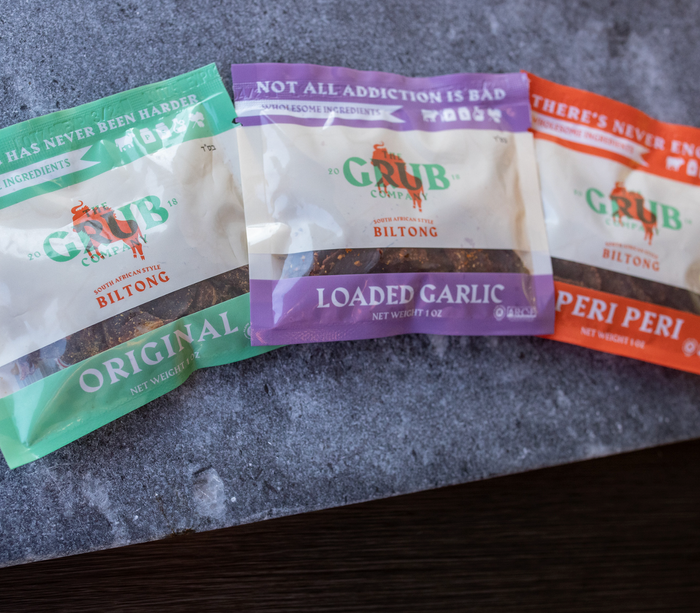
| Ingredient list | Short: our Original biltong has six | Often long: sweeteners, binders, flavorings |
| Sugar | None added in Original biltong; Meat Candy is glazed | Varies widely; many use sugar alcohols |
| Keeps without a fridge | Yes, sealed | Yes |
| Melts in heat | No | Coated bars can |
The meat and dairy timing
This is where kosher snackers get caught. A jerky snack, then a dairy protein bar, runs into the wait between meat and dairy. A dairy bar, then jerky, raises the question the other way. More on waiting times.
- On meat days, keep jerky or a certified pareve bar.
- On dairy days, keep the dairy bars.
- Check the symbol: many agencies mark dairy products with a "D" or "Dairy."
Which fills you up
Many people find whole-food protein that takes chewing more satisfying than a bar eaten in four bites. That is personal, but it is the most common reason people switch from bars to biltong.
When a bar makes more sense
- You need carbohydrate as well as protein, before or during exercise.
- You are keeping a dairy day.
- You do not eat meat.
When jerky makes more sense
- You want protein without added sugar or sweeteners.
- You want real food with a short ingredient list.
- You have just eaten meat and want a snack.
See our certified Glatt Kosher kosher beef jerky and biltong, and kosher jerky on a high-protein diet.
Try it: Biltong Protein Calculator. Enter your protein goal; see how much biltong covers it.