Does Biltong Survive Summer Shipping? Heat, Mail and Storage
Biltong is air-dried and shelf-stable, so it does not need refrigeration, and it is built to travel in the mail. Ours is certified Glatt Kosher, and the sensible summer rule is simple: bring the package inside promptly and keep it somewhere cool and dry.
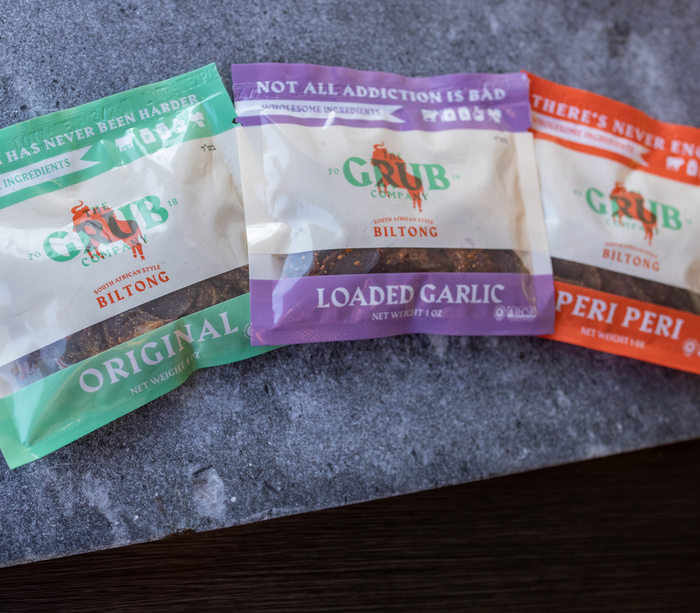
We make certified Glatt Kosher biltong and Meat Candy in Florida, so we think about heat every day. Customers ask us the same question every summer: will it be okay if it sits in a mailbox in July? We want to give you an honest answer, which means saying what we know and what we do not. We know how biltong is made and why it keeps. We do not know your mail carrier's schedule or your porch's temperature, and we are not going to invent a number to sound reassuring. Here is how to think about it.
Why biltong does not need refrigeration
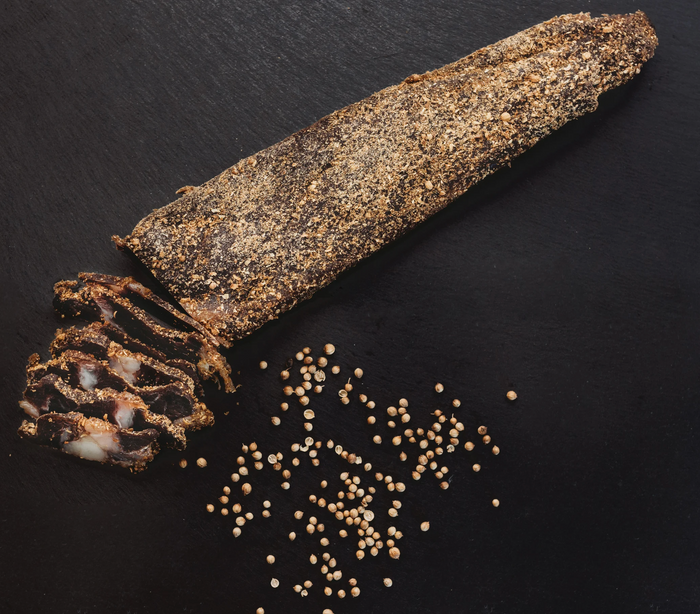
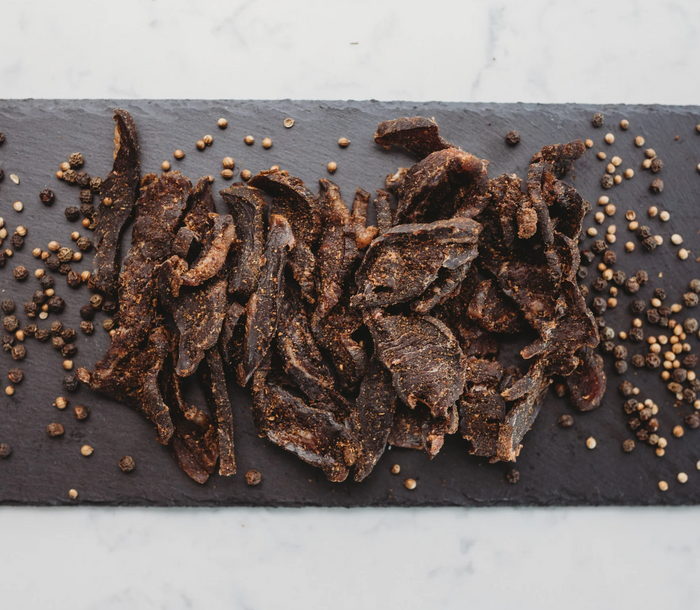
Fresh meat spoils because it is wet. Bacteria need moisture to grow. Biltong is made by curing beef with salt and vinegar, seasoning it with spices, and then drying it in moving air. That process removes water from the meat. It is the same idea behind most traditional preserved foods, including cured and dried meats from every continent.
That is why a bag of biltong can sit in a pantry, a desk drawer or a hiking pack. It is ready to eat as it is. If you want the longer explanation, we wrote one called why biltong does not need refrigeration, and when that stops being true. It is worth reading, because it is honest about the limits.
What "shelf-stable" does and does not mean
Shelf-stable means the product does not need a fridge. It does not mean it is indestructible, and it does not mean heat is irrelevant. Three things are worth keeping apart.
- Safety. A dried, cured product is far less hospitable to bacteria than fresh meat. That is why it is sold unrefrigerated.
- Quality. Heat can still change how a food tastes and feels. Fat in any dried meat can soften or sweat in warm conditions, and the texture can change. This is about eating quality, and it is the reason we say keep it cool.
- Packaging. A bag that is torn, punctured or damaged in transit is a different situation from a sealed one. If a package arrives damaged, contact us.
We are not going to give you a temperature at which biltong "fails" or a number of hours it can sit in a truck. We have not tested every carrier route and every roof in the country, and a made-up figure would be worse than none. If you want to see how heat acts on it in more detail, what happens to biltong in a hot car, a fridge and a sealed bag covers the practical side.
What to do the day your order arrives
This is the part you control, and it matters more than anything we do on our end.
- Bring the package inside promptly. Do not leave it on a porch, in a hot entryway or in a parked car while you run errands. If you know you will be out, arrange for someone to take it in, or have it sent to somewhere with a person present, such as an office.
- Open it and check. Look at the bags. They should be intact and sealed. If anything is torn, wet or damaged, do not eat from that bag. Contact us and we will sort it out.
- Put it somewhere cool and dry. A kitchen cabinet or pantry away from the stove, a sunny window and the dishwasher is fine. A cool, dry spot is the target.
- Reseal after opening. Once a bag is open, press the air out and close it. Biltong that sits open will dry out and lose flavor. If you can, use a clean container or a resealable bag.
The same logic applies if you carry biltong in a lunchbag, gym bag or hiking pack. It travels well. Keep it out of direct sun and out of a closed car on a hot day. Our biltong for travel guide goes into what survives a trip.
Should I refrigerate it anyway in summer?
You do not have to. Many people keep a bag in the fridge in a very hot, humid kitchen because it makes them comfortable, and that is a fine choice. Two small cautions if you do. First, cold air is dry, so a bag left open in the fridge will harden faster than one left sealed. Second, if you take biltong out of a cold fridge into warm, humid air, moisture can form on the surface of the bag, so let a sealed bag come up to room temperature before you open it.
If you buy in bulk and will not finish a pound for weeks, portion it into smaller sealed bags and keep the extras in a cool spot. Our article on how to store biltong so it stays fresh covers humidity and containers in detail.
When summer shipping is a good reason to pick a different format
Here is the honest trade-off. If you are ordering in the hottest weeks and your package will sit for a day in an unattended spot, you can reduce the risk without changing what you eat.
- Choose single portions. Our Sliced Biltong Mini's are one-ounce bags. Opening one at a time keeps the rest sealed, which is a real advantage if your kitchen is warm.
- Avoid ordering before a trip. If you are leaving for a week, wait until you are back, or ship it to a place where someone will receive it.
- Order for the season you will use it. A summer camp care package or a beach week has its own timing. If you are shipping to a camper or to someone else, make sure the recipient can bring it inside quickly.
The standard 3-ounce Sliced Biltong bag is the everyday choice, and it is fine for most orders. The point is not to be nervous about it. It is to be a little more attentive in the hottest part of the year, as you would with any food you care about.
Shipping facts that do not change
- We ship to US addresses only.
- US orders over $50 ship free.
- Our products are certified Glatt Kosher. For details, see how our certification works.
For everything we offer, the biltong collection lists every size and flavor, and the kosher beef jerky page covers Meat Candy, which is our cooked, glazed jerky.
Bottom line
Biltong does not need refrigeration, and it is made to be shipped and carried. The sensible habits are the ones that keep any food in good shape: bring the package in quickly, store it cool and dry, reseal it after opening, and contact us if a delivery arrives damaged. We will not pretend to know a temperature or a time limit we have not measured, and you should be wary of anyone who does.
Frequently Asked Questions
Does biltong need to be refrigerated?
No. Biltong is air-dried and cured, which makes it shelf-stable. Store it in a cool, dry place with the bag sealed. Refrigerating it is optional.
Will biltong be okay if it sits in a mailbox or on a porch in summer?
We cannot give you a safe number of hours, and we will not invent one. Bring packages inside promptly, and keep them out of direct sun and hot cars. Heat can affect quality even in a shelf-stable food.
What should I do if my order arrives damaged?
Do not eat from a bag that is torn, wet or visibly damaged. Contact us, and we will help you with it.
Is it safe to carry biltong in a hot car?
It is safer to avoid it. Biltong travels well in bags and packs, but a closed car in summer is a bad place for any food. Keep it with you or in the cool part of the vehicle.
Should I put biltong in the fridge in summer?
You do not need to. If your kitchen is very hot and humid, a cool pantry is the first choice, and the fridge is a reasonable backup. Keep the bag sealed, and let it come to room temperature before opening it.
Does Grub ship biltong outside the United States?
No. We ship to US addresses only, and US orders over $50 ship free.
Is Grub's biltong Glatt Kosher?
Yes. Our biltong and Meat Candy are certified Glatt Kosher. If you need a Passover certification, check the label, because we do not claim one.