Biltong vs Beef Jerky: Key Facts Every Meat Lover Should Know
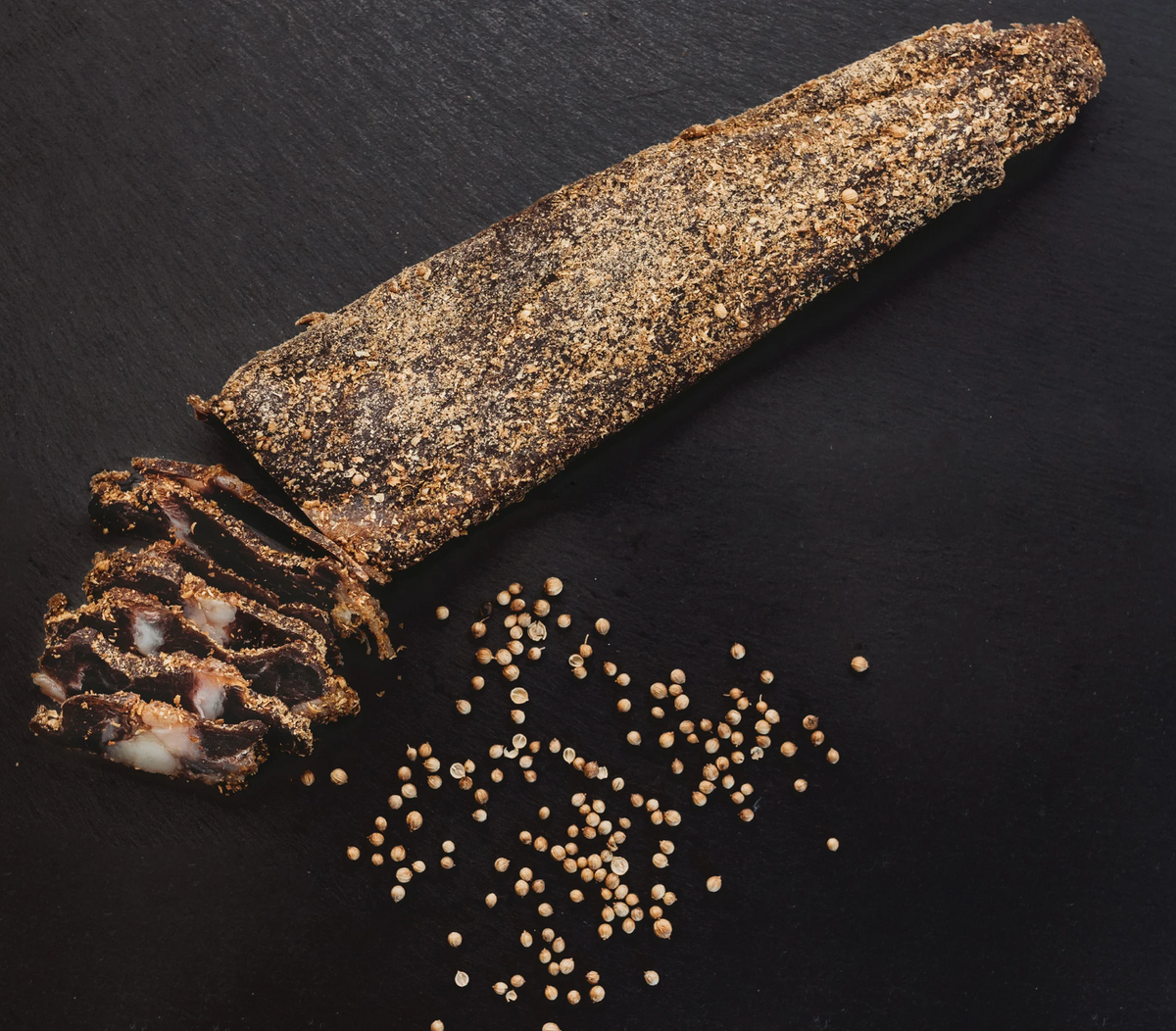
Biltong and beef jerky are both dried meats, but they are fundamentally different products — different origins, different chemistry, different textures, and different shelf lives. Biltong is a Southern African product cured with vinegar and salt, then air-dried with no heat or smoke. Beef jerky is a North American product cured with salt and nitrates, then heat-dried or smoked at low temperatures. That single process difference cascades into every other distinction between them.
8 Key Facts: Biltong vs Beef Jerky
- Curing chemistry is opposite. Biltong relies on vinegar — typically malt or apple cider vinegar at 4–6% acidity — as its primary antimicrobial agent, lowering pH to inhibit bacterial growth. Beef jerky uses salt and nitrates as the core preservatives, with heat doing the heavy lifting for pathogen reduction.
- Smoke is used in one, not the other. Beef jerky is frequently smoked with hardwoods — hickory, mesquite, or applewood — which functions as both a flavoring and a preservative. Traditional biltong is never smoked; it air-dries in cool, ventilated conditions, keeping the flavor profile clean and reliant on spice rather than wood.
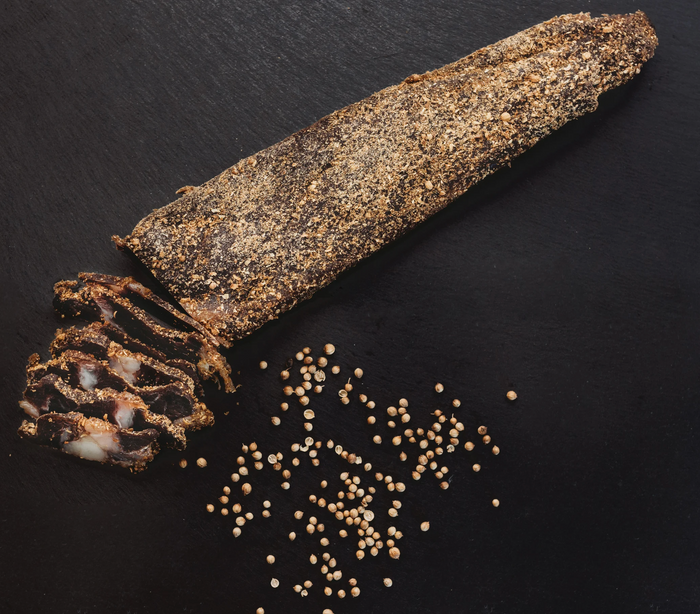
- Biltong has a distinct spice profile built into the cure. The traditional seasoning blend — coriander, black pepper, garlic, and salt — is applied during the curing phase, meaning those flavors penetrate the meat before drying even begins, not after.
- Moisture content is significantly different. Biltong retains 20–30% residual moisture after curing. Beef jerky is dried down to approximately 8–15% moisture. That 10–20 percentage point gap is the root cause of almost every other difference between the two products.
- Texture follows moisture. Biltong's higher moisture content produces a softer, chewier bite. Beef jerky's aggressive moisture removal produces a harder, more brittle texture. Neither is inferior — they serve different eating occasions and preferences.
- Shelf life reflects the moisture gap. Beef jerky's lower moisture content combined with heat treatment extends shelf life to 12 or more months under proper storage. Biltong's higher residual moisture means it typically requires cooler storage and has a shorter open shelf life — around 2–4 weeks once a package is opened.
- Processing temperature is a defining split. Beef jerky is heat-dried; biltong is not. This is not a minor procedural detail — it determines microbial control strategy, protein structure, final texture, and regulatory classification in most markets.
- Geographic origin shaped the science. Biltong's vinegar-and-air method developed in Southern Africa as a practical response to climate and available ingredients. Beef jerky's heat and smoke method developed from North American indigenous preservation practices and later industrialized through USDA-regulated production guidelines.
If you're deciding between the two based on nutrition, the moisture content difference matters: biltong's higher water retention means you're getting less concentrated protein per gram of weight compared to a fully dried jerky at the same serving size. For those evaluating how biltong's vinegar cure works mechanically, or wanting to understand how wood smoke affects jerky flavor and preservation, those questions have meaningfully different answers worth unpacking separately.